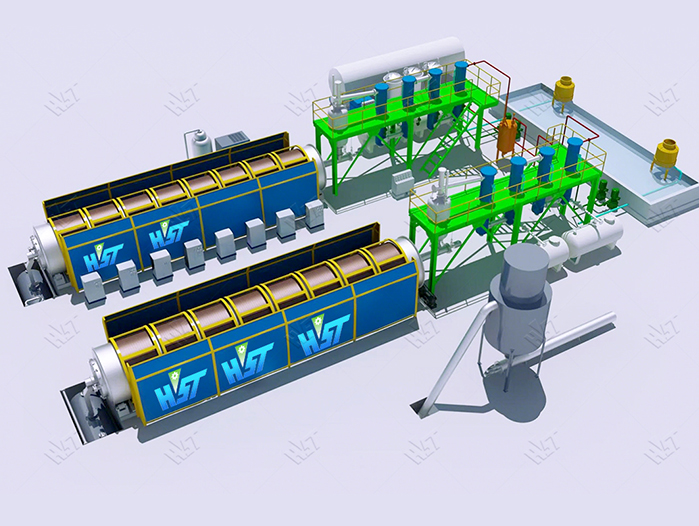
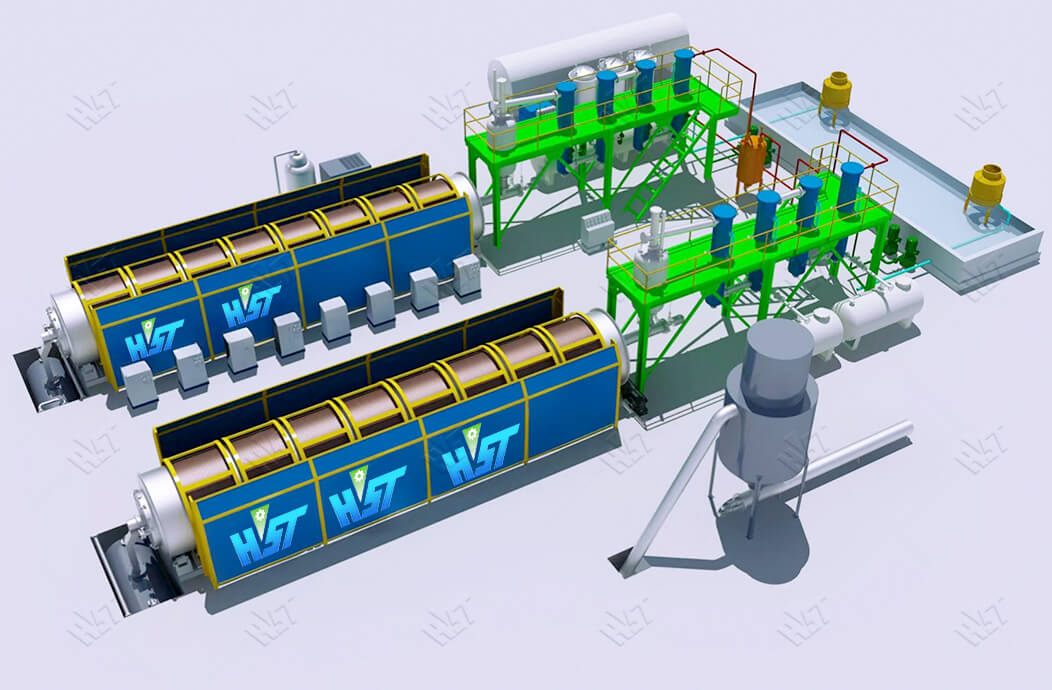
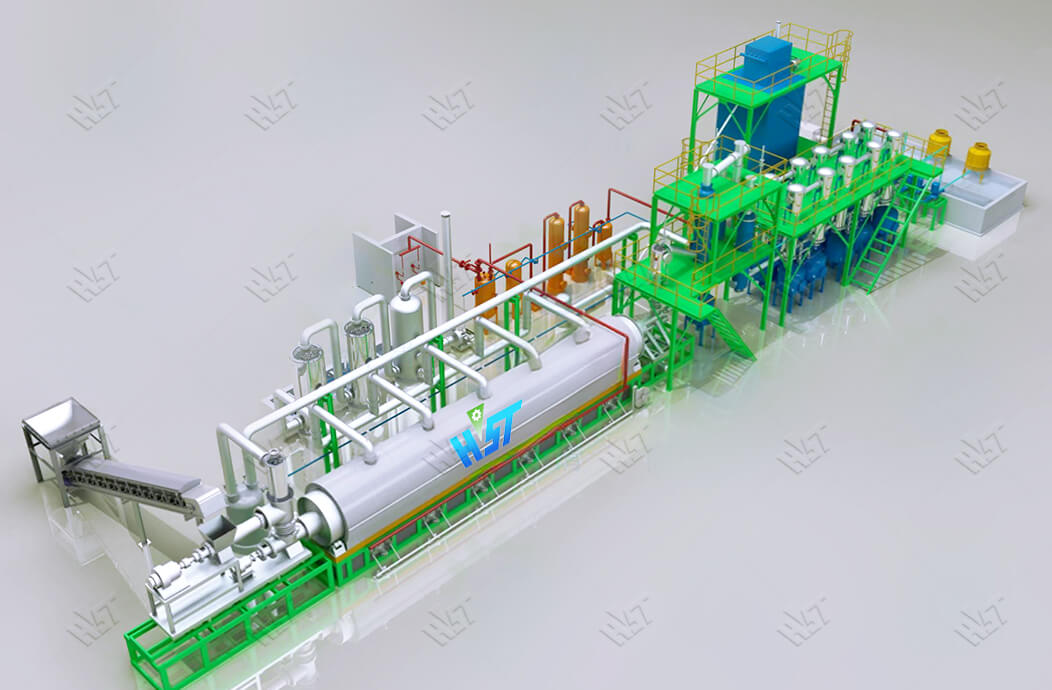
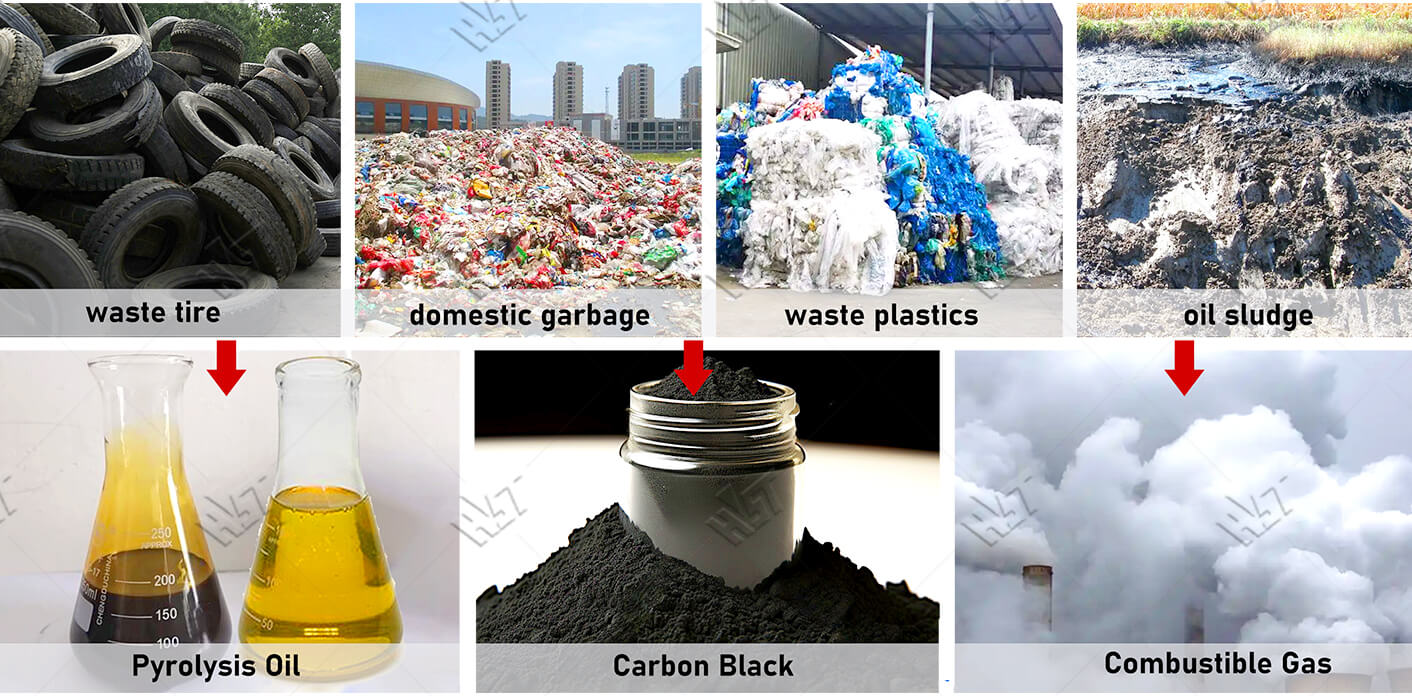
A tire pyrolysis machine is used to convert waste tires into fuel oil, carbon black, steel wire and combustible gas through high-temperature pyrolysis in an oxygen-free environment. It is a practical solution for scrap tire recycling, helping reduce tire waste while creating valuable by-products for industrial use.
Compared with simple tire disposal methods, a waste tire pyrolysis machine offers higher resource recovery value. Waste tires mainly contain rubber, carbon black, steel wire, oils and chemical additives, which can be recycled and reused after pyrolysis treatment.
The typical composition of waste tires includes:
Rubber (natural and synthetic): about 41%
Fillers (carbon black, silica, carbon, chalk): about 30%
Reinforcing materials (steel, polyester, rayon, nylon): about 15%
Plasticizers (oils and resins): about 6%
Vulcanization chemicals (sulphur, zinc oxide): about 6%
Anti-ageing agents and other chemicals: about 2%
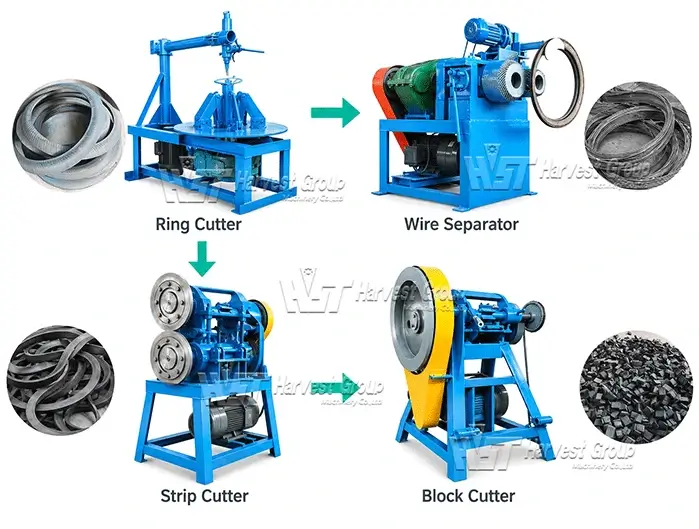
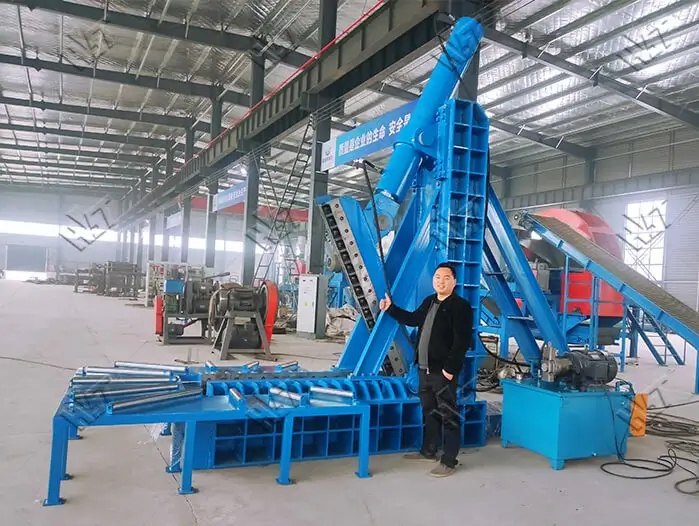
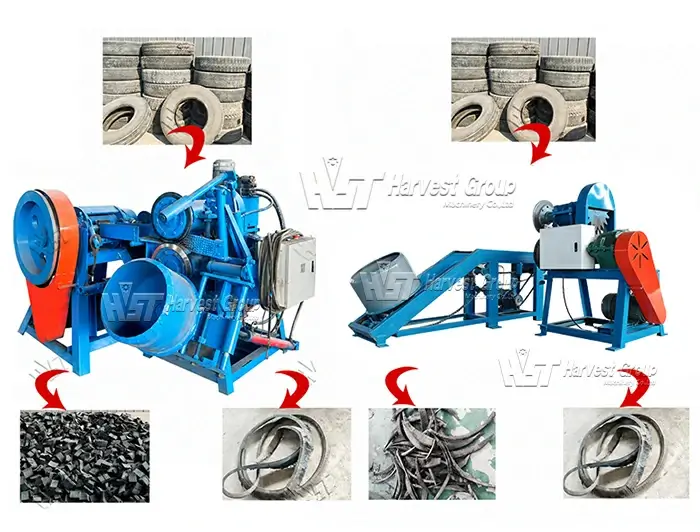
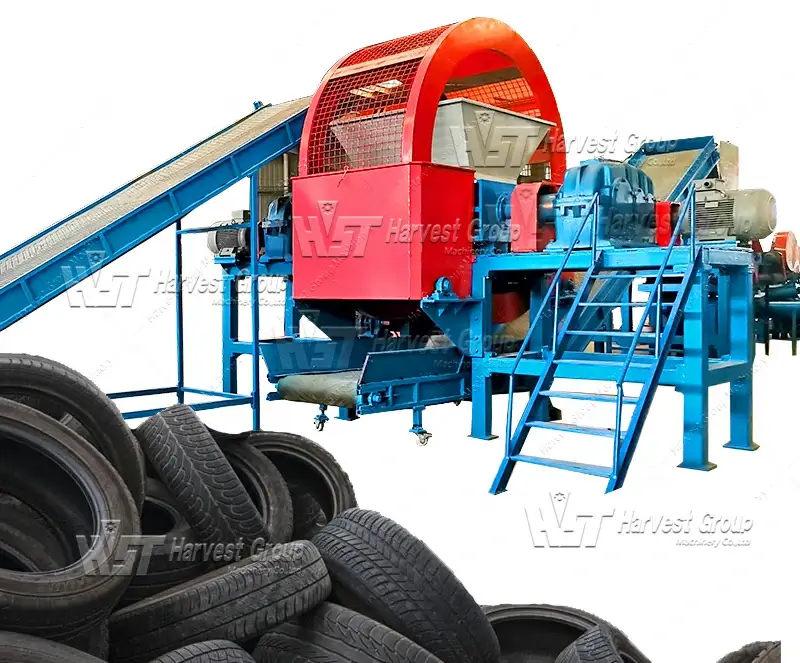
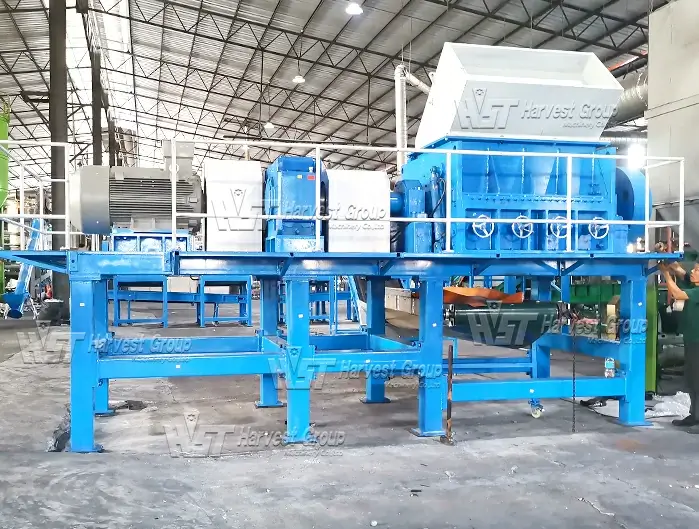
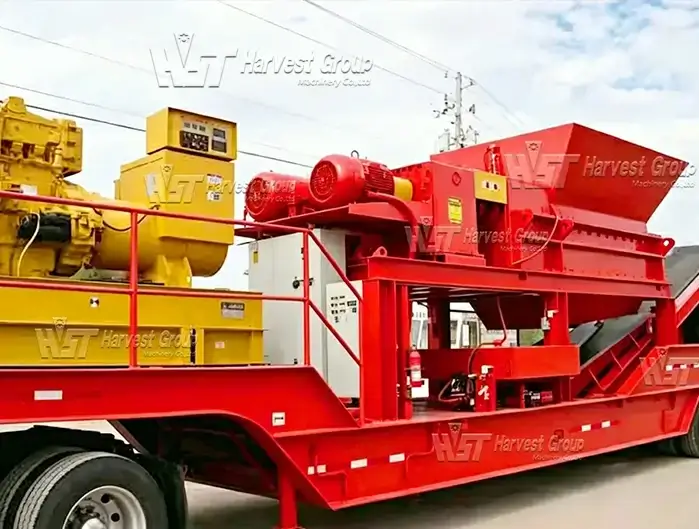
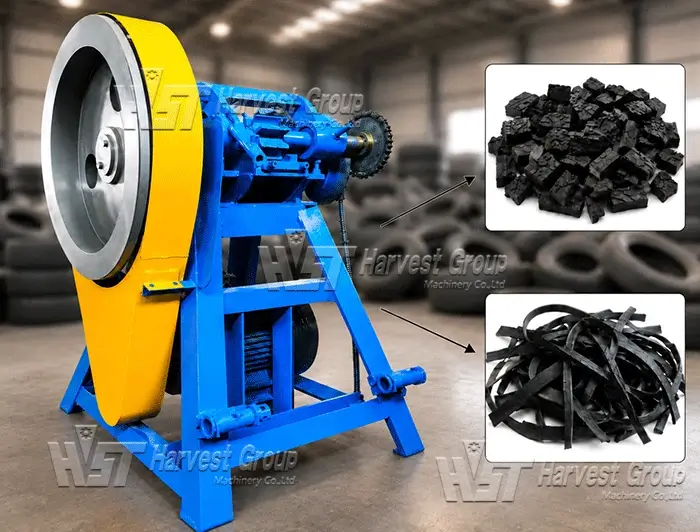
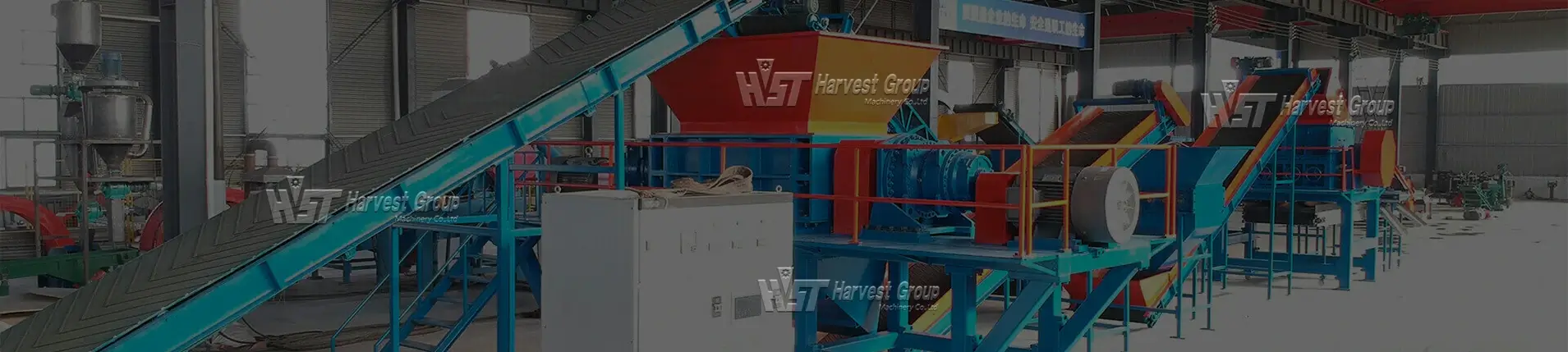
For complete waste tire recycling projects, the tire pyrolysis system can be combined with a waste tire shredder machine, feeding systems, cooling systems, gas recycling systems and dust removal systems. HVST can also provide related tire recycling equipment and complete tire recycling plant solutions according to different scrap tire processing requirements.
1. Automatic welding improves production efficiency, helps ensure reactor quality and reduces operation risks.
2. The sealed feeding and discharging design helps maintain stable operation during waste tire pyrolysis.
3. The vacuum and pressure control system supports safe and stable running of the whole pyrolysis production line.
1. The dust removal and desulfurization system helps reduce smoke, dust and sulfur emissions.
2. Non-condensable combustible gas can be recycled back to the heating furnace, reducing fuel consumption and gas pollution.
1. Multi-stage cooling improves oil-gas condensation efficiency and helps increase pyrolysis oil output.
2. The catalyst chamber and optimized heating structure support more complete pyrolysis of waste tire materials.
1. The reactor can use special boiler steel such as Q245R, stainless steel or 15CrMo according to project requirements.
2. Automatic welding and strict quality inspection help extend the service life of the waste tire pyrolysis machine.
1. The heating system is well sealed and designed for efficient heat utilization.
2. Recycled combustible gas can be used as auxiliary fuel for reactor heating, helping reduce operating costs.
HVST provides customized tire pyrolysis machine for sale according to raw material type, daily processing capacity, fuel type, automation level and environmental protection requirements.
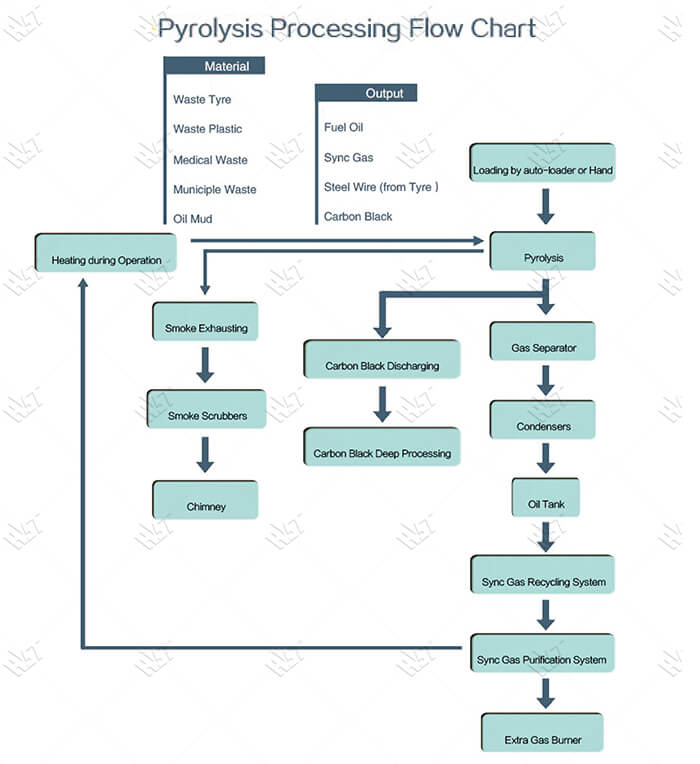
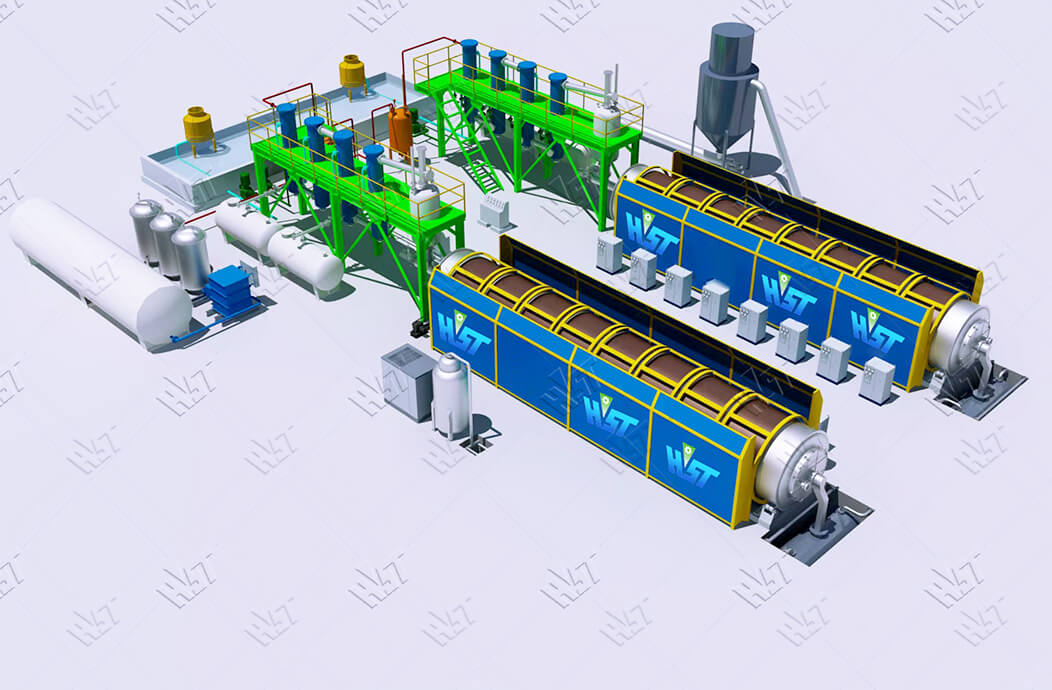
The working process of a tire pyrolysis machine mainly includes feeding, heating, pyrolysis reaction, oil-gas cooling, carbon black discharging, steel wire collection and gas recycling. The whole system is designed for continuous material flow, safe operation and efficient resource recovery.
Waste tires or tire blocks are fed into the pyrolysis reactor through a sealed feeding system. Pre-shredding can improve feeding efficiency and make the pyrolysis process more stable.
The oil gas generated during pyrolysis enters the condenser system. Through multi-stage cooling, the oil gas is liquefied into pyrolysis oil with higher collection efficiency.
The smoke treatment system helps remove acidic gas and dust from the exhaust, supporting cleaner and more environmentally friendly operation.
The fully enclosed carbon black discharging system reduces dust leakage, improves working conditions and helps collect carbon black for further use or sale.
Non-condensable combustible gas can be recycled and burned as fuel for the heating system. This reduces fuel consumption and improves the overall energy efficiency of the pyrolysis plant.
The heat insulation structure helps maintain reactor temperature, reduce heat loss and improve energy-saving performance during waste tire pyrolysis.
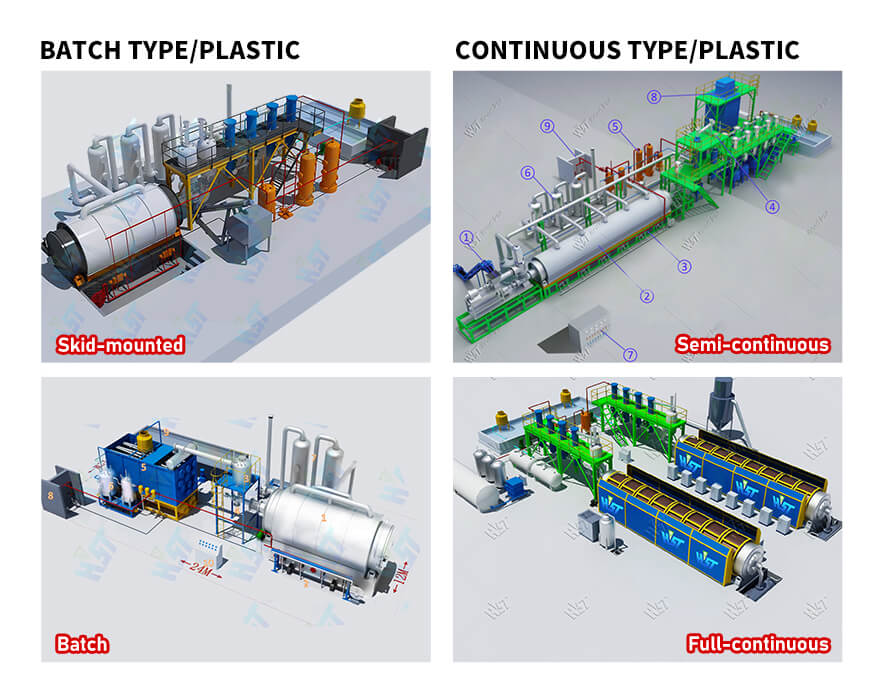
The average fuel oil output from waste tires is about 40%. It is also known as tire pyrolysis oil, tyre oil, heating oil or furnace oil. It can be used as industrial heating fuel for power plants, cement plants, steel plants, metallurgical plants and glass plants.
Waste tire pyrolysis can produce about 35% carbon black. The recovered carbon black can be used as a raw material in the rubber and plastic industry or used as heating fuel after further treatment.
The steel wire output from used tires is about 15%. It can be collected and sold to scrap metal dealers or steel recycling companies.
Combustible gas generated during the pyrolysis process can be routed back to the heating system as fuel supply, helping reduce external fuel consumption.

```
The following technical data shows the typical output ratio and main specifications of HVST tire pyrolysis machine. The final configuration can be customized according to waste tire type, daily capacity, heating method, automation level and environmental protection requirements.
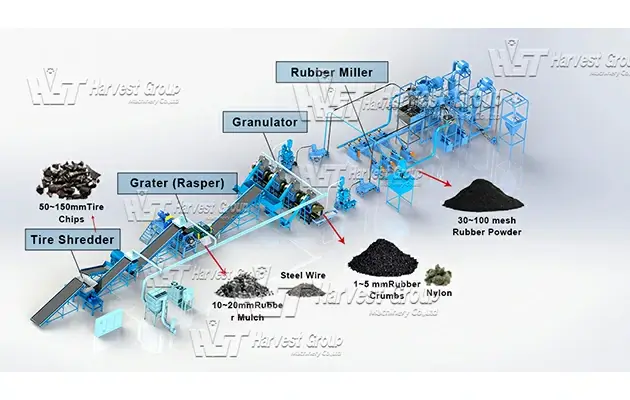
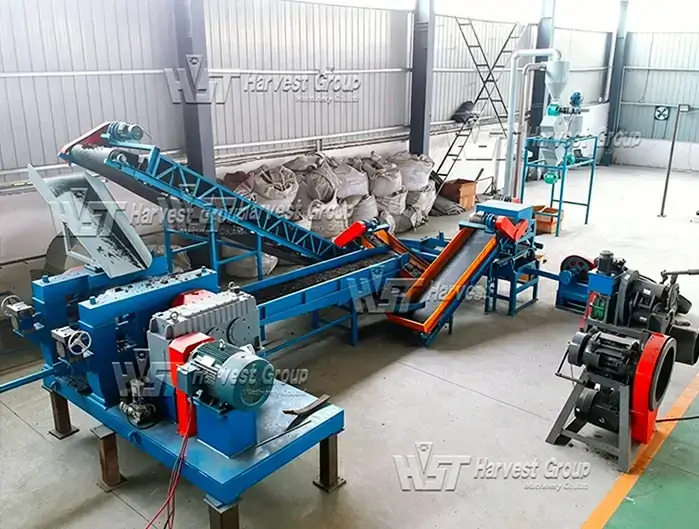
In a complete waste tire recycling project, the pyrolysis system can be combined with waste tire shredder machine for pre-shredding, and it can also be planned as part of a complete tire recycling plant. For customers comparing different recycling routes, HVST also provides related tire recycling equipment for rubber granules, crumb rubber, rubber powder and pyrolysis preparation.
If the target final product is rubber mulch instead of pyrolysis oil, carbon black and steel wire, the rubber mulch production line may be a more suitable solution.
|
Final Product |
Output Percentage |
Application |
|
Fuel Oil |
40-45% |
1. Used as industrial fuel for steel plants, chemical plants, cement plants, hotels and restaurants. |
|
Crude Carbon Black |
About 35% |
1. Used for construction bricks or carbon black briquettes. |
|
Steel Wire |
12-15% |
Collected and sold to scrap metal recycling companies, or further processed for reuse. |
|
Combustible Gas |
About 5% |
1. Recycled back to the pyrolysis heating system as fuel. |
|
No. |
Item |
XY-7-P |
XY-8-P |
XY-9-P |
|
1 |
Equipment Model |
XY-7-P |
XY-8-P |
XY-9-P |
|
2 |
Door Type |
Full Open Door |
Full Open Door |
Enclosed Auto-feeder |
|
3 |
Suitable Raw Materials |
Waste tires, rubber products, plastic products |
Waste tires, rubber products, plastic products |
Waste tires, rubber products, plastic products |
|
4 |
Structure |
Horizontal Rotation Type |
Horizontal Rotation Type |
Horizontal Rotation Type |
|
5 |
Reactor Size |
φ2200×6000mm φ2500×6600mm φ2500×7500mm |
φ2200×6000mm φ2500×6600mm φ2500×7500mm |
φ1700×8800mm φ1700×13200mm |
|
6 |
Capacity for One Batch |
5-6MT 8-10MT 10-12MT |
5-6MT 8-10MT 10-12MT |
20-50MT |
|
7 |
Oil Yield from Waste Tires |
40%-45% |
40%-45% |
40%-45% |
|
8 |
Working Pressure |
Normal Pressure |
Normal Pressure |
Slight Negative Pressure |
|
9 |
Reactor Rotation Speed |
0.4 r/min |
0.4 r/min |
0.5-1.2 r/min |
|
10 |
Fuel Options |
Coal, wood, gas, oil |
Coal, wood, gas, oil |
Gas, oil |
|
11 |
Power |
18-22kW/h |
18-25kW/h |
18-25kW/h |
|
12 |
Cooling Method |
Circulating Water |
Circulating Water |
Circulating Water |
|
13 |
Drive Type |
External Annular Gear |
External Annular Gear |
External Annular Gear |
|
14 |
Heating Method |
Direct Heating |
Direct Heating |
Hot Air Heating |
|
15 |
Installation Type |
Without Foundation |
With Foundation / Integrated Base |
With Foundation / Integrated Base |
|
16 |
Noise dB(A) |
≤85 |
≤85 |
≤85 |
|
17 |
Operating Mode |
Batch Operation |
Batch Operation |
Continuous Operation |
|
18 |
Total Weight |
25-40MT |
25-40MT |
90-100MT |
A tire pyrolysis machine is used to convert waste tires into fuel oil, carbon black, steel wire and combustible gas through high-temperature pyrolysis in an oxygen-free environment.
A waste tire pyrolysis machine is mainly used for scrap tires, waste rubber products and tire blocks. In many projects, waste tires are pre-shredded before feeding to improve processing efficiency.
The main final products are pyrolysis oil, carbon black, steel wire and combustible gas. The oil can be used as industrial fuel, while the gas can be recycled for reactor heating.
For many tire pyrolysis projects, pre-shredding helps improve feeding efficiency, heating stability and overall processing performance. A waste tire shredder machine can be used before the pyrolysis system.
Customers should consider daily capacity, raw material size, heating method, automation level, environmental protection system, land area and final product requirements before choosing a tire pyrolysis machine.
Contact HVST to get a customized tire pyrolysis machine solution based on your raw material, capacity, fuel type and final product requirements.