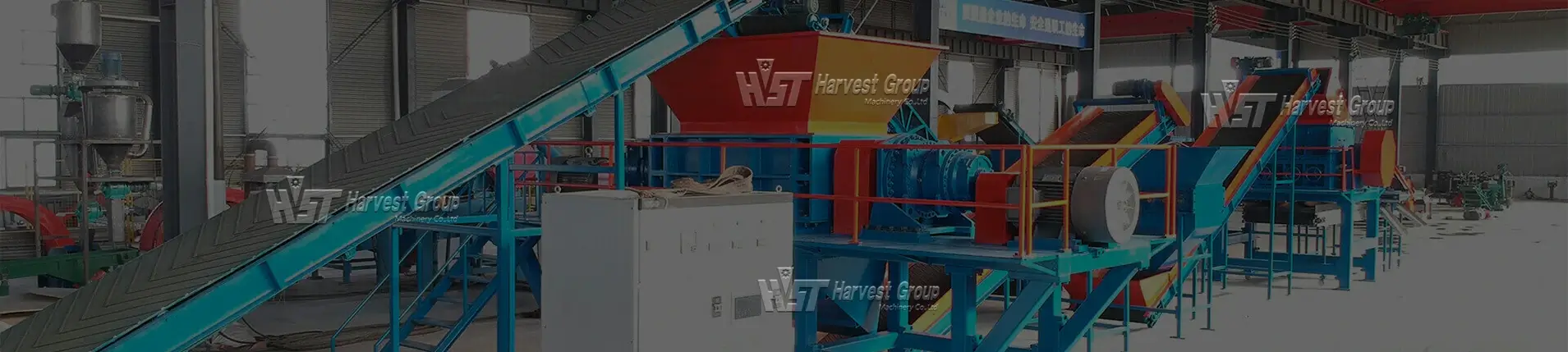
A tire shredder works under demanding conditions. Rubber, steel wire, fiber, continuous feeding and repeated cutting loads all place stress on the cutters, bearings, gearbox, motor and supporting components. Proper maintenance helps the machine maintain stable throughput, reduces unexpected downtime and prevents normal wear from developing into expensive mechanical problems.
Maintenance should not begin only after a failure occurs. For a tire shredder machine, the better approach is preventive maintenance: keep the cutting area clean, monitor cutter condition, maintain lubrication, check fasteners and watch for changes in sound, temperature, vibration and production rate.
There is no single maintenance interval that applies to every machine. Operating hours, tire type, feed rate, production capacity and actual component wear all influence how often service is required. The manufacturer’s maintenance instructions should always take priority, but the following areas deserve regular attention in almost every tire shredding operation.
Cleaning is one of the simplest maintenance tasks, but it has a direct effect on inspection and machine reliability. Pieces of rubber, exposed steel wire, fiber and fine debris can remain in the cutting chamber after production. If this material accumulates, it can hide loose components, interfere with cutter movement and make the next startup more difficult.
After the machine has been safely shut down and isolated, remove residual tire material from accessible areas of the cutting chamber. Steel wire deserves particular attention because loose wire can wrap around rotating components or become trapped between cutters and surrounding structures.
The discharge area should be checked at the same time. Material buildup underneath the shredder or inside the discharge chute can restrict material flow and increase the load on the cutting system. In a complete tire recycling plant, poor discharge from the primary shredder can also interrupt downstream equipment even when the other machines are operating normally.
Cutters are among the most important wear components in a tire shredder. Their condition directly influences throughput, power demand and the consistency of the shredded material. When cutting edges are sharp, the tire is sheared efficiently. As the edges become rounded or dull, the machine begins to pull and deform the material instead of cutting it cleanly.
A gradual reduction in throughput, longer processing time, more frequent reversing, higher machine load or increasingly inconsistent shred size can all indicate cutter wear. The cutters should also be checked for cracks, chipped edges and localized damage, especially after foreign material or unusually heavy loads have entered the machine.
On rotary shear and double-shaft tire shredders, cutter stack condition is just as important as cutter sharpness. A loose stack allows cutters and spacers to move during operation, which can accelerate face wear and create uneven loading. In severe cases, excessive movement may allow abnormal contact between opposing cutters.
Depending on the cutter design, worn cutters may be rotated, rebuilt, sharpened or replaced. There is no universal replacement interval because cutter life depends on processed tonnage, tire construction, contamination, cutter material and operating conditions. Replacement parts should match the dimensional and material requirements specified for the machine.
Tire shredders are exposed to repeated impact loads, so cutter fasteners, bearing housings, gearbox mounts, structural connections and foundation bolts should be inspected regularly. Components that have recently been removed during maintenance deserve particular attention after the machine returns to operation.
Foundation bolts should remain secure, but increased vibration should not automatically be treated as a simple bolt-tightening problem. Cutter imbalance, worn bearings, loose components, drivetrain problems or material trapped in the cutting chamber can produce similar symptoms.
Changes in vibration are especially useful because operators often notice them before a serious failure occurs. If a machine that normally runs smoothly begins to shake more heavily, the cause should be investigated rather than allowing the condition to continue.
Proper lubrication reduces friction, heat and mechanical wear. Bearings and other specified lubrication points should receive the correct lubricant in the correct quantity, following the manufacturer’s schedule. Both insufficient lubrication and excessive lubrication can create problems, so adding more grease is not always better.
The gearbox also deserves regular inspection because it transfers high torque to the shredder shafts. Oil level, leakage and general oil condition should be checked at the recommended interval. Oil that has degraded can lose its lubricating properties and contribute to higher operating temperatures and accelerated gear wear.
Contamination can be equally important. Oil containing excessive debris or visible metallic particles may indicate internal wear. In that situation, simply adding fresh oil does not address the underlying problem; the source of the contamination should be investigated.
Mechanical maintenance alone is not enough. The motor, gearbox and electrical system often provide early warning signs when the shredder is beginning to operate outside its normal condition.
Motor and gearbox temperature should remain relatively consistent under similar workloads. An unusual temperature increase can result from overloading, poor lubrication, blocked cooling passages, bearing wear or increased resistance in the drivetrain. Industrial tire shredders are designed for demanding continuous work, so the objective is not simply to stop the machine periodically to let it cool. The important point is to identify abnormal temperature changes and determine why they are occurring.
Sound provides another useful indicator. Grinding, knocking, squealing or other unfamiliar noises may point to problems involving cutters, bearings, gears, couplings or loose components. Experienced operators who hear the machine every day are often able to notice these changes before a visible failure appears.
Electrical connections, terminals and accessible wiring should also be checked for looseness, damage or overheating. Cooling vents and electrical cabinet filters should be kept clear of rubber dust and fine particles so that heat can dissipate properly.
Maintenance and operation are closely connected. Even a machine that is cleaned and lubricated correctly can wear rapidly if it is continuously operated beyond its rated limits.
Tires should remain within the shredder’s designed input size, and the feed rate should match its rated processing capacity. Oversized material, excessive feed volume or unsuitable foreign material increases motor load and places additional stress on cutters and drivetrain components. When selecting or operating tire recycling equipment, the shredder capacity should also match the downstream process rather than simply being operated at the highest possible feed rate.
Automatic reversing is a normal protective function, but a sudden increase in reversing frequency is often a useful warning sign. Worn cutters, excessive feed, blockage, improper cutter clearance or unsuitable material can all cause the machine to reverse or jam more frequently than normal.
The same principle applies to throughput. If production begins to fall even though the tire type and feeding conditions have not changed, maintenance staff should check cutter condition, clearances, material buildup and drivetrain resistance before assuming that lower output is normal.
A tire shredder cannot work efficiently if shredded material is not removed quickly enough. Conveyors and transfer points should therefore be included in the same maintenance routine rather than treated as completely separate equipment.
For belt conveyors, check belt tension, tracking and visible wear. Rollers, bearings and transfer points should remain free of excessive material accumulation. A loose or misaligned conveyor may initially appear to be a minor problem, but it can eventually restrict discharge and interrupt the entire tire crushing line.
Maintaining consistent discharge is also important for downstream size-reduction equipment. Machines such as a rubber granulator perform more predictably when the upstream shredder supplies material within the intended size range and at a reasonably stable rate.
Emergency stops, guards, interlocks, overload protection and monitoring devices are part of the machine’s maintenance program. Their condition should be checked according to the manufacturer’s instructions and the facility’s safety procedures.
Emergency stops should remain functional and accessible. Guards and access protection should not be damaged, removed or bypassed. Where the shredder uses temperature monitoring, proximity sensors or overload protection, these devices should also be inspected because they help detect abnormal operation before mechanical damage becomes more serious.
Any maintenance inside or around the cutting chamber should only begin after the machine has been properly shut down and isolated according to the required lockout/tagout procedure.
A calendar-based maintenance schedule is useful, but the machine’s actual condition often provides better information. Throughput, reversing frequency, noise, vibration, temperature and output quality can all be monitored as operating trends.
Reduced throughput without a major change in feed material often points to cutter wear, incorrect clearance, blockage or additional drivetrain resistance. Frequent reversing or repeated jamming suggests that the machine is having more difficulty processing the same material. Abnormal vibration may indicate loose fasteners, worn bearings or cutter problems, while rising motor or gearbox temperature can point to lubrication issues, friction or excessive loading.
Output quality matters as well. If the shredded tire pieces become increasingly inconsistent or the machine takes longer to process each tire, cutter condition and cutting clearance should be checked. The important point is to compare current performance with the machine’s normal operating baseline rather than waiting for a complete failure.
There is no fixed maintenance interval suitable for every tire shredder. Service frequency depends on operating hours, processed tonnage, tire construction, contamination, production load, operating environment and component design.
A machine running multiple shifts on steel-reinforced truck tires will normally experience wear differently from equipment operating fewer hours on lighter passenger tires. For this reason, daily, routine and periodic inspections are best treated as a planning framework rather than rigid universal intervals.
| Maintenance Stage | Typical Checks | What It Helps Detect |
| Each Shift / Daily | Clean cutting chamber and discharge area, remove rubber and wire residue, observe noise, vibration and temperature, check visible leakage and safety devices | Material buildup, sudden operating changes and obvious faults |
| Routine Inspection | Inspect cutter wear, fasteners, lubrication points, conveyors, electrical connections and cooling areas | Developing wear before it begins to reduce production |
| Periodic Service | Check gearbox oil, bearings, seals, cutter stack, spacers, foundation bolts, electrical cabinet and safety interlocks | Long-term mechanical and electrical deterioration |
| Condition-Based Service | Investigate lower throughput, frequent reversing, unusual vibration, rising temperature, abnormal noise or inconsistent output | Problems that appear between scheduled service intervals |
The manufacturer’s service instructions should determine the final interval for lubrication, oil replacement, cutter servicing and component inspection. Maintenance records can then be used to refine those intervals according to the machine’s actual operating history.
Maintenance requires the machine to stop, but planned downtime is usually much easier to manage than an unexpected breakdown. When a shredder is already shut down for cutter servicing, it makes sense to inspect related components such as bearings, seals, gearbox condition, fasteners and lubrication points at the same time.
A maintenance log makes this process more effective. Operating hours, processed tonnage, cutter rotations, cutter replacements, lubrication dates, gearbox oil changes, bearing replacements, abnormal temperature, vibration and previous faults all provide useful information. Over time, those records make it easier to predict which components are approaching their normal service point.
Operator training is equally important. Employees who know how the shredder normally sounds, vibrates and processes material are much more likely to recognize early signs of wear. A small change noticed early is usually easier to correct than a problem discovered after the entire recycling line has stopped.
Yes. Preventive maintenance should begin when the shredder is first placed into service, not after the first major repair. Early inspection creates a useful baseline for normal cutter condition, operating temperature, vibration, sound and production rate.
New equipment may also require inspections of fasteners, lubrication and alignment after the initial operating period. Components settle under working loads, and checking them early makes it easier to identify anything that has changed since commissioning.
Starting maintenance from the beginning also creates better operating habits. Once inspection becomes part of the normal production routine, problems are less likely to be ignored until they cause downtime.
There is no fixed cutter replacement interval. Tire type, processed tonnage, operating hours, cutter material, contamination and feeding conditions all affect cutter life. Cutters should be rotated, rebuilt, sharpened or replaced according to actual wear and the machine manufacturer’s specifications.
Rapid wear can result from abrasive contamination, excessive production loads, unsuitable foreign material, loose cutter stacks, improper clearance or continued operation after the cutting edges have already become badly worn.
Yes. The shredder normally performs the first major size-reduction step. When its throughput becomes unstable or the output size becomes inconsistent, downstream separation, granulation and screening equipment can also lose efficiency. Maintaining stable shredder performance therefore helps stabilize the complete recycling process.
Technical support should be considered when abnormal vibration or noise continues after routine checks, production falls without an obvious reason, major cutter or shaft work is required, gearbox problems appear, electrical or safety faults occur, or replacement parts need to be selected.
Good tire shredder maintenance is not about performing as many checks as possible. It is about watching the components and operating conditions that actually influence production: cutter condition, lubrication, fasteners, drivetrain load, discharge, temperature, vibration and safety systems. When those areas are monitored consistently, maintenance becomes preventive rather than reactive, helping the shredder deliver more stable production with fewer unexpected interruptions.