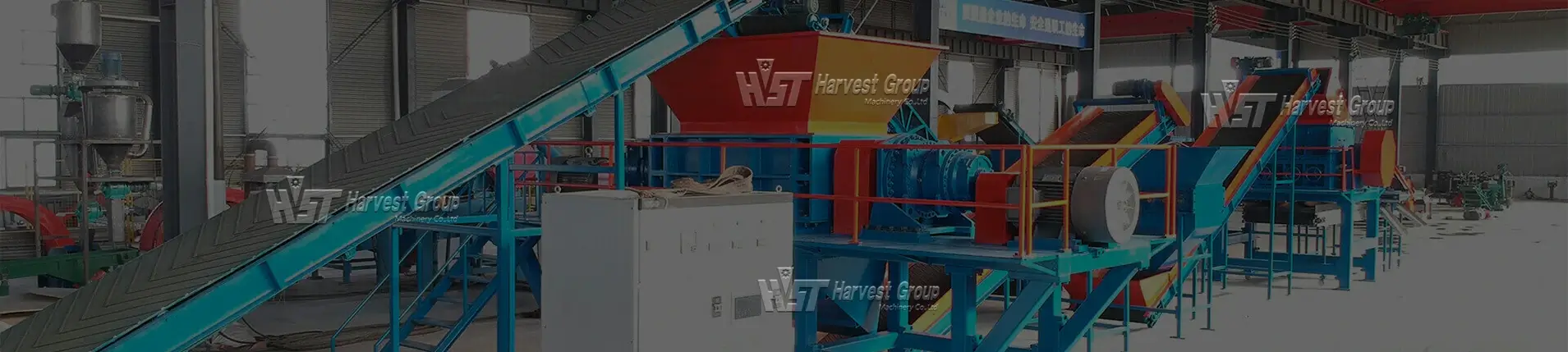
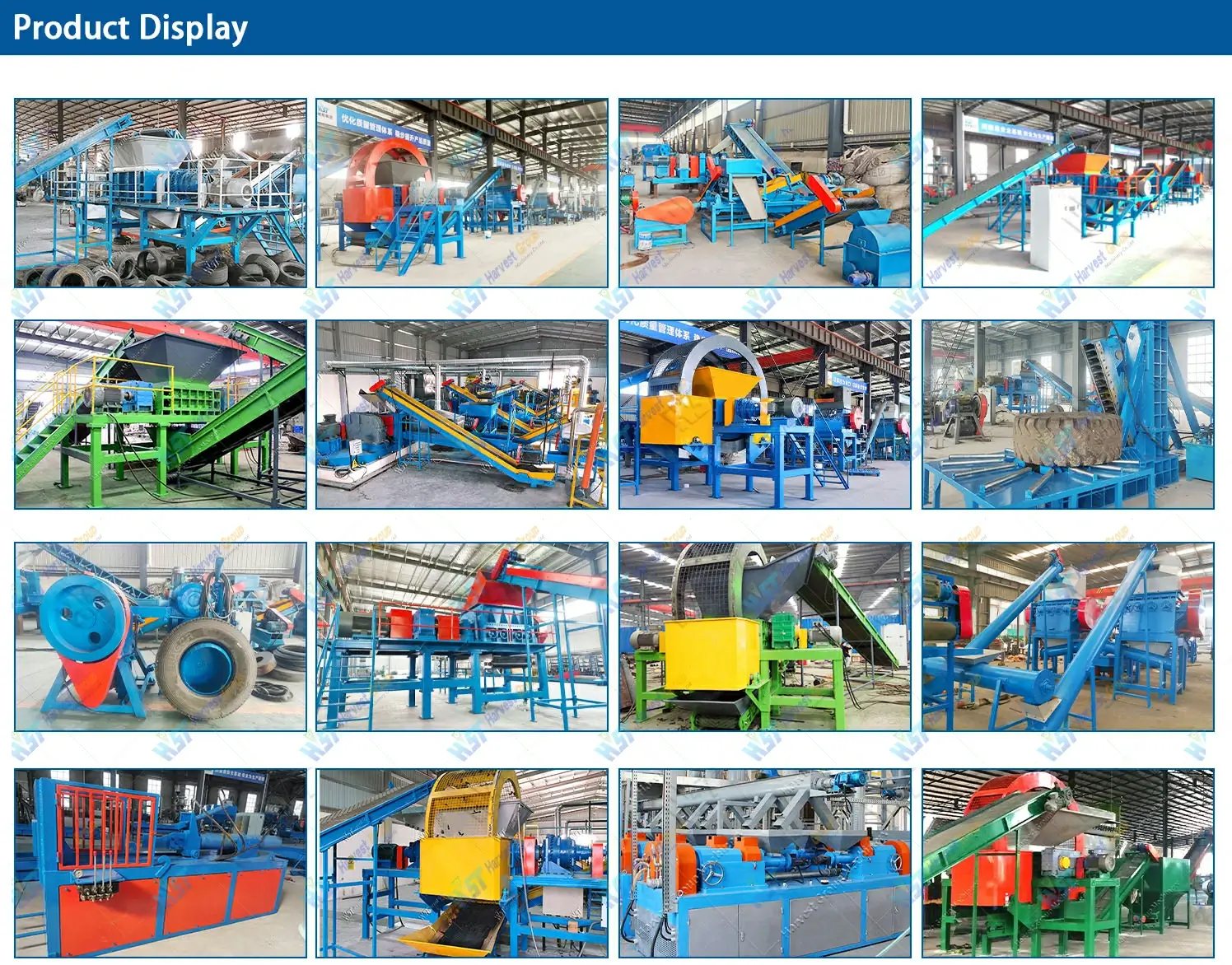


HVST supplies tire recycling machines and equipment for processing waste tires into rubber chips, rubber mulch, crumb rubber, and fine rubber powder. Our tire recycling machine range covers tire pre-processing, primary size reduction, rubber granulation, steel and fiber separation, screening, fine grinding, material handling, and dust collection.
Different waste tire recycling machines can be configured according to tire type, required capacity, output size, automation level, workshop layout, and final product application. HVST provides individual machines as well as complete tire recycling equipment systems for passenger car tires, truck tires, and OTR tires.
Learn More About Tire Recycling Plant →
Pre-processing equipment prepares waste tires for the main recycling process by removing bead wire, separating sidewalls, or reducing large tires into suitable feed material.
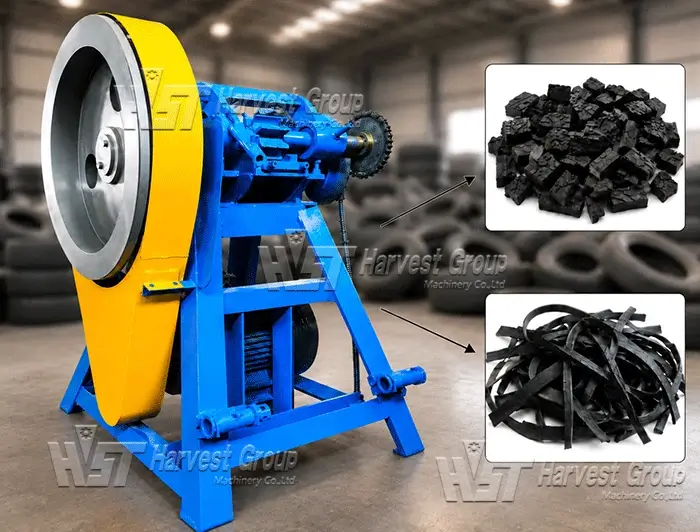
Cut and separate tire sidewalls from the tire crown before further processing.
Read More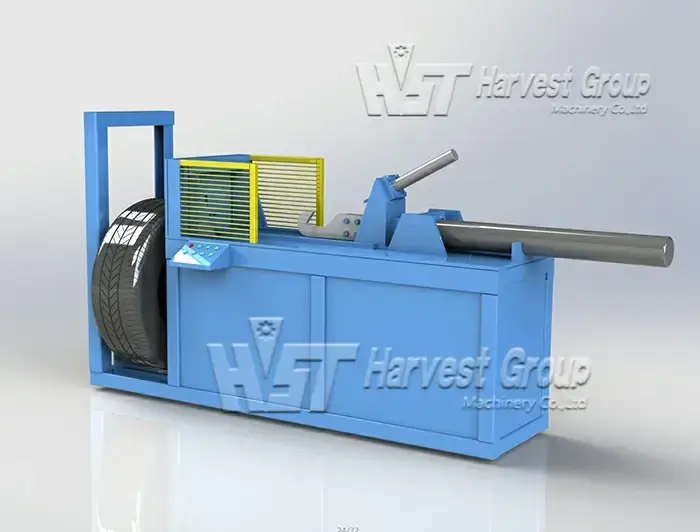
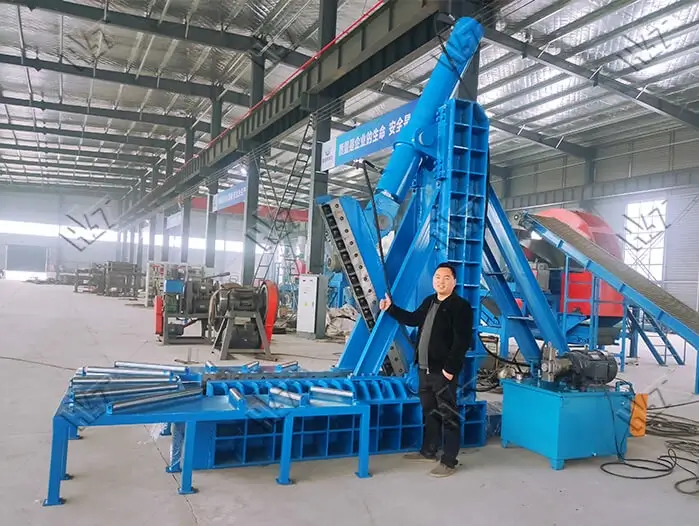
Heavy-duty pre-processing equipment for OTR, mining, and large engineering tires.
Read More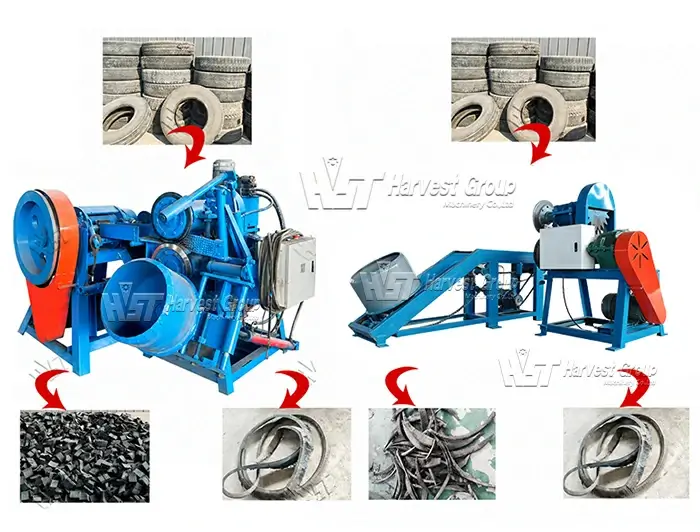
Includes tire ring cutter, strip cutter, block cutter, and rim separator.
Read More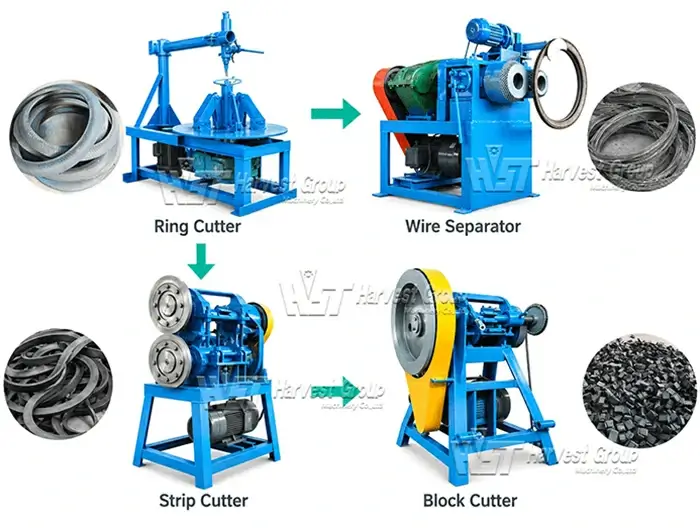
Includes tire ring cutter, strip cutter, block cutter, and rim separator.
Read MorePrimary size reduction normally starts with a tire shredder machine, which reduces whole or pre-processed tires into approximately 50–150 mm rubber chips for further processing, TDF production, rubber mulch production, or downstream tire recycling.

Capacity: 1–15 t/h · Suitable for processing passenger car, truck, and OTR tires.
Read MoreSecondary processing equipment further reduces rubber chips, releases embedded steel wire, and prepares recycled rubber material for mulch or crumb rubber production.
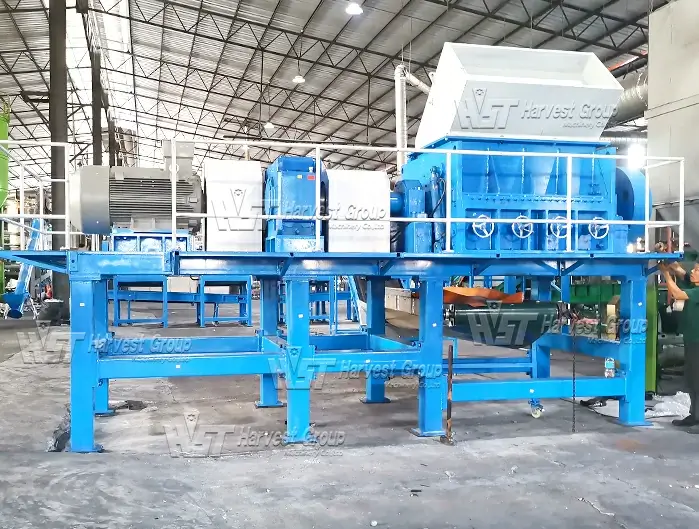
Reduce tire chips to approximately 20–25 mm while releasing embedded steel wire.
Read More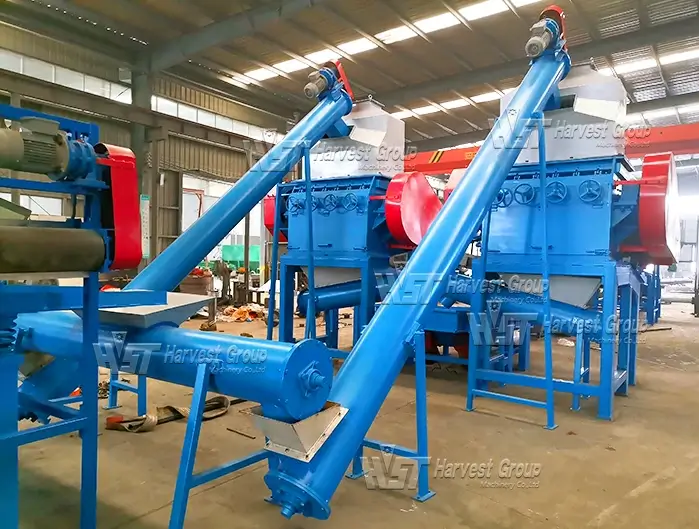
Produce approximately 1–5 mm recycled rubber granules for downstream applications.
Read MoreFine processing equipment converts prepared recycled rubber into smaller particles or fine rubber powder for asphalt, reclaimed rubber, molded products, and other industrial applications.
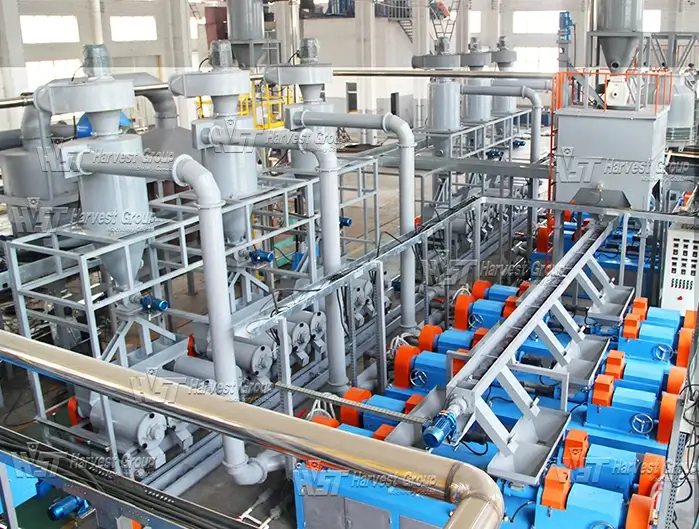
Produce fine rubber powder from prepared crumb rubber at approximately 30–100 mesh.
Read More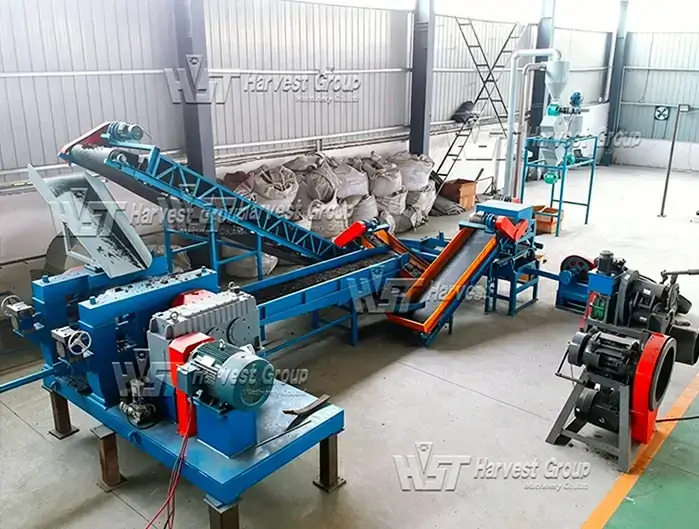
Roller mill equipment for further size reduction and rubber powder preparation.
Read MoreSeparation and screening modules remove steel wire, nylon fiber, and oversized particles from recycled rubber material and help maintain consistent final product quality.
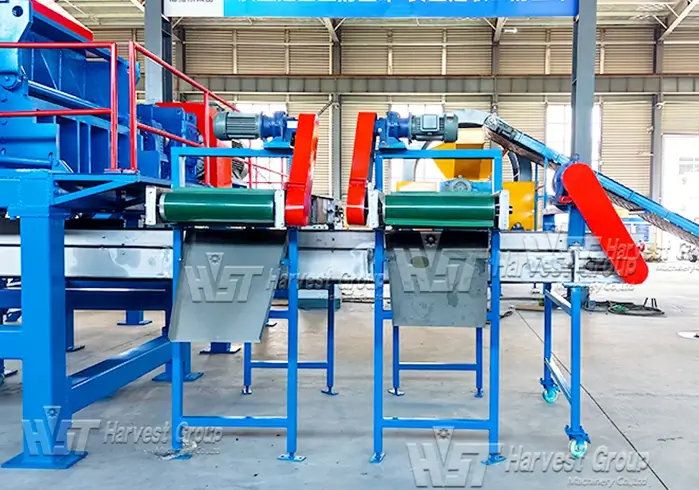
Remove steel wire from recycled rubber material during the processing line.
Read More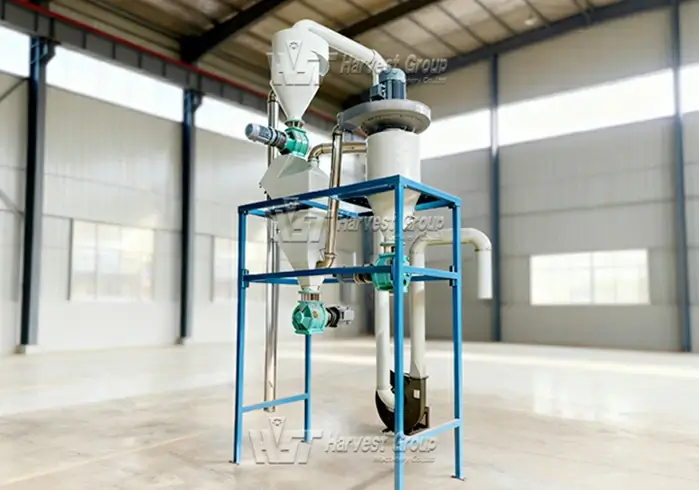
Remove nylon fiber and light impurities from recycled rubber material.
Read More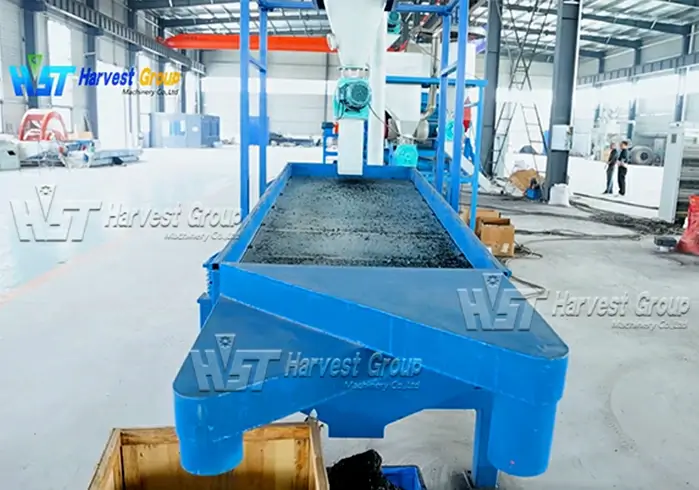
Classify recycled rubber material into the required particle size ranges.
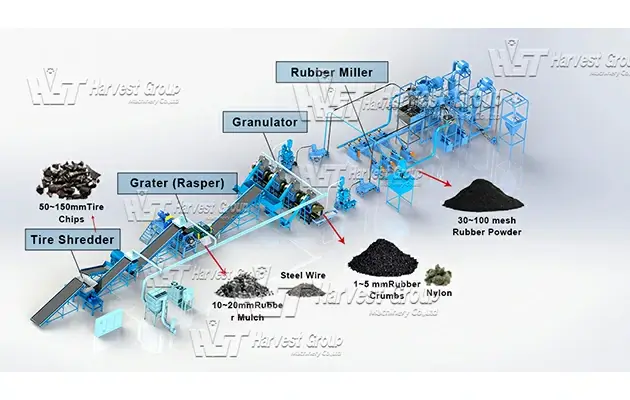
Read MoreA complete tire recycling machine system combines different processing modules for pre-processing, size reduction, steel and fiber separation, granulation, screening, fine grinding, and material handling. The required tire recycling equipment depends on the raw tire type, target capacity, final particle size, and required end product.
The table below shows the main tire recycling machines and equipment used at different processing stages and the typical output of each module.
| Equipment Type | Function | Typical Output |
| Tire Shredder | Primary shredding and size reduction of whole or pre-cut waste tires | 50–150 mm rubber chips |
| Rasper Machine | Secondary size reduction and steel wire liberation | 10–30 mm recycled rubber |
| Rubber Granulator | Further particle size reduction and granulation | 1–5 mm crumb rubber |
| Tire Grinding Machine | Fine processing of prepared rubber material | 30–120 mesh rubber powder |
| Magnetic Separator | Removal of liberated steel wire | Cleaner recycled rubber material |
| Fiber Separator | Removal of nylon fiber and light impurities | Higher-purity recycled rubber |
| Vibrating Screen | Particle size classification and oversized material return | Consistent final particle size |
Different projects require different equipment combinations. A basic waste tire recycling equipment system may focus on producing larger rubber chips, while more complete configurations can add secondary processing, separation, granulation, screening, and fine grinding modules for smaller and cleaner recycled rubber products.
The price of a tire recycling machine depends on processing capacity, tire type, required output size, automation level, separation requirements, and workshop layout.
A basic tire recycling machine configuration can be designed for rubber chip production, while a complete tire recycling equipment system may include pre-processing, size reduction, steel and fiber separation, granulation, screening, fine grinding, conveyors, dust collection systems, and electrical control cabinets.
To select the right tire recycling machinery and obtain an accurate quotation, please provide your raw tire type, required output size, hourly capacity, available workshop space, and final product application.
Get a Free Quote →If your project requires primary tire shredding, see our tire shredder machine page for available capacities, output sizes, and shredder configurations.
A tire recycling machine is industrial equipment used to process waste tires into reusable materials such as rubber chips, rubber mulch, crumb rubber, rubber powder, and recovered steel. A complete system can include tire pre-processing, shredding, granulation, steel and fiber separation, screening, fine grinding, conveying, and control equipment.
A typical tire recycling machine system can include tire debeading and cutting equipment, primary and secondary size reduction equipment, rubber granulation equipment, magnetic and fiber separation systems, vibrating screens, fine grinding equipment, dust collection systems, conveyors, and electrical control cabinets. The exact equipment configuration depends on the required final product.
The cost of a tire recycling machine depends on processing capacity, automation level, tire type, output size, separation requirements, and final product specifications.A basic rubber chip configuration generally costs less than a complete system designed for crumb rubber or fine rubber powder production. Each project should be quoted according to its required equipment configuration.
Tire recycling machines can produce approximately 50–150 mm rubber chips, 10–30 mm rubber mulch, 1–5 mm crumb rubber, and 30–120 mesh rubber powder. Depending on the configuration, the system can also recover steel wire and textile fiber from waste tires.
The right tire recycling equipment depends on raw tire type, required capacity, final output size, budget, workshop space, automation requirements, and target application. Equipment combinations for TDF, rubber mulch, crumb rubber, and rubber powder production are different because each product requires different processing stages.
They refer to the same type of equipment. “Tire” is the standard American English spelling, while “tyre” is commonly used in British English and many international markets.
Looking for a complete tire recycling machine solution? HVST provides customized tire recycling equipment based on processing capacity, tire type, required output size, automation level, and final product requirements.
A complete tire recycling machine system can be configured to produce rubber chips, rubber mulch, crumb rubber (1–5 mm), or rubber powder (30–120 mesh). Different final products require different combinations of tire recycling equipment for pre-processing, size reduction, granulation, separation, screening, and fine processing.
The general recycling process can be adjusted according to the required particle size and material purity.
Typical Processing Stages:
Whole Tire → Pre-processing → Size Reduction → Granulation → Separation & Screening → Fine Processing → Final Products
This equipment configuration processes whole or pre-cut tires into approximately 50–150 mm tire chips for TDF (tire-derived fuel) and other industrial applications. The required equipment depends on tire size, target chip size, and production capacity.
Learn More About TDF Tire Recycling Line →
This configuration processes scrap tires into clean recycled rubber mulch for playgrounds, landscaping, and other surface applications. Additional steel separation and screening equipment can be used to improve product purity and particle size consistency.
Explore Rubber Mulch Production Line →
This equipment configuration produces approximately 1–5 mm crumb rubber for sports surfaces, rubber tiles, molded rubber products, and other recycled rubber applications.
View Crumb Rubber Production Line →
This configuration further processes prepared recycled rubber into approximately 30–120 mesh rubber powder for asphalt modification, reclaimed rubber, and other industrial applications.
Explore Rubber Powder Production Line →
Explore more technical guides about tire recycling equipment, tire recycling machines, equipment configurations, processing methods, and complete waste tire recycling systems.