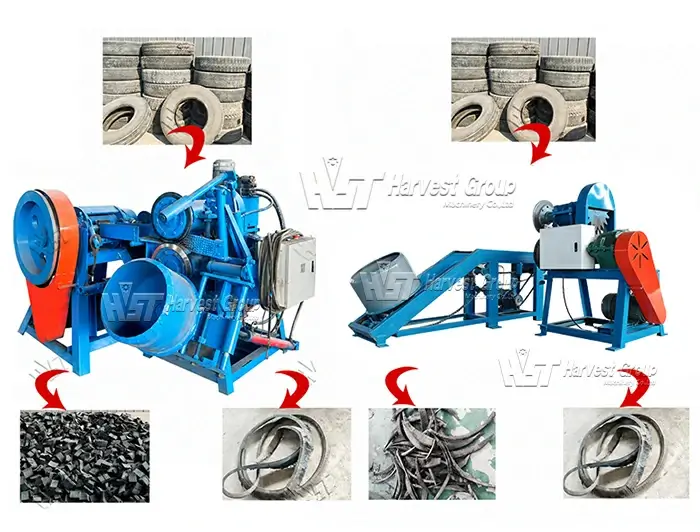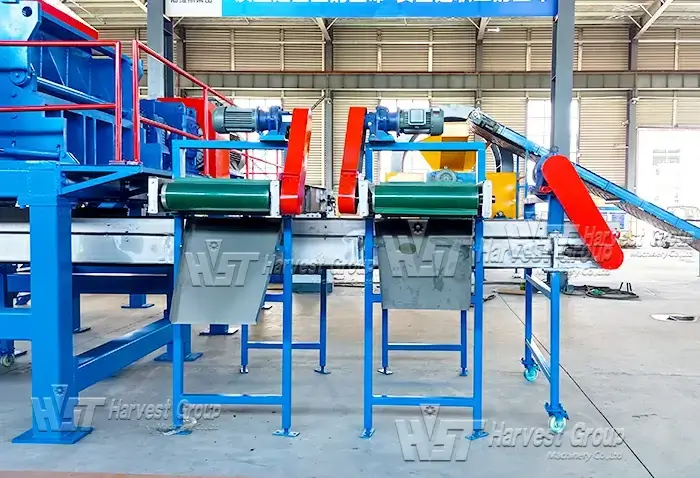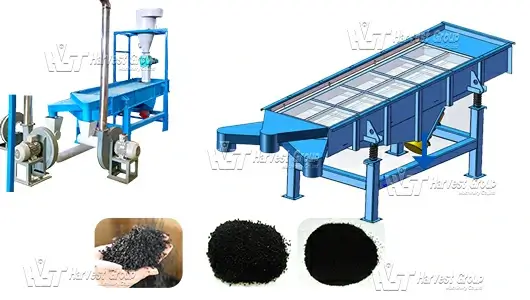
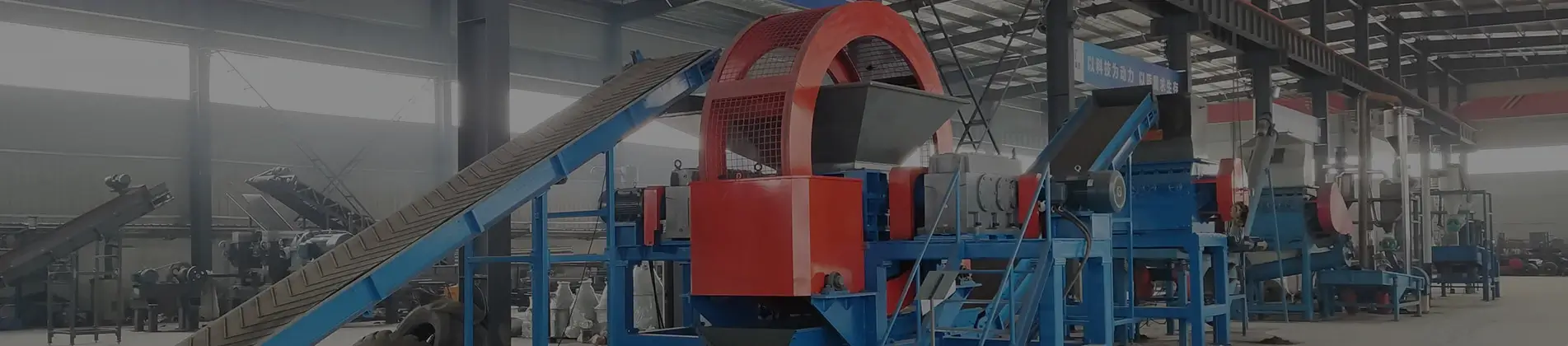
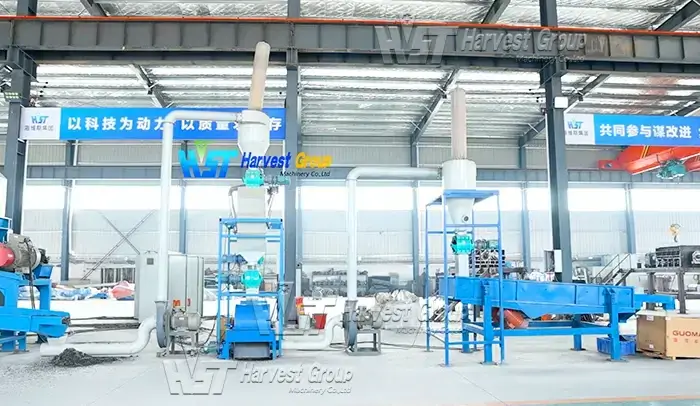
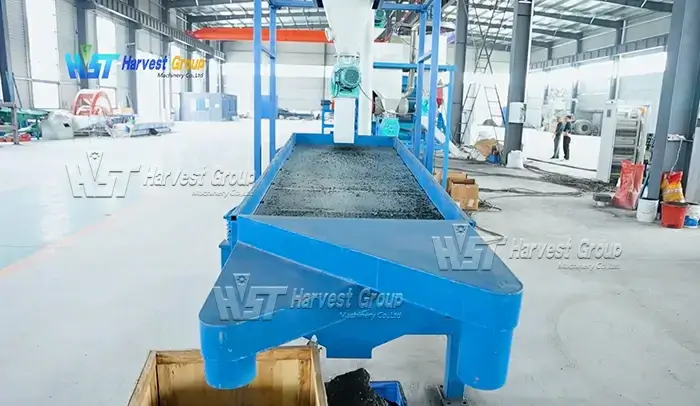
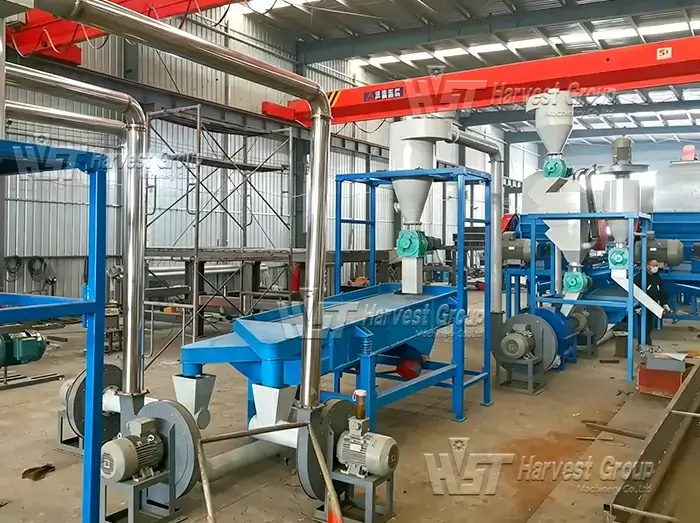
HVST vibrating screen for tire recycling is designed to classify rubber granules, rubber powder, fiber mixture, and oversized particles after tire shredding and granulation. It helps improve particle size accuracy, reduce impurities, and keep material flow stable in waste tire recycling lines.
This rubber vibrating screen is widely used in complete tire recycling equipment systems. By using vibration and screen mesh classification, it separates rubber materials into different sizes and prepares cleaner output for fiber separation, magnetic separation, rubber powder production, or downstream recycled rubber applications.
With stable screening performance, multiple screen mesh options, compact structure, and easy maintenance, the vibrating screen is an important auxiliary machine for improving the efficiency and final product quality of tire recycling plants.
HVST rubber vibrating screen is used to screen and classify rubber granules or rubber powder in tire recycling lines. After waste tires are shredded, granulated, and partially separated, the rubber material may still contain different particle sizes, fiber fluff, fine dust, and oversized rubber pieces.
The machine uses a vibrating motor to drive the screen body, allowing rubber particles to spread evenly and move forward on the screen mesh. Smaller particles pass through the mesh, while larger particles are discharged from separate outlets. Single-deck, double-deck, and multi-deck designs can be customized according to the required output size.
Compared with manual screening or unstable material handling, a vibrating screening machine helps improve screening accuracy, reduce downstream blockage, and support continuous operation in rubber granule and crumb rubber production lines.
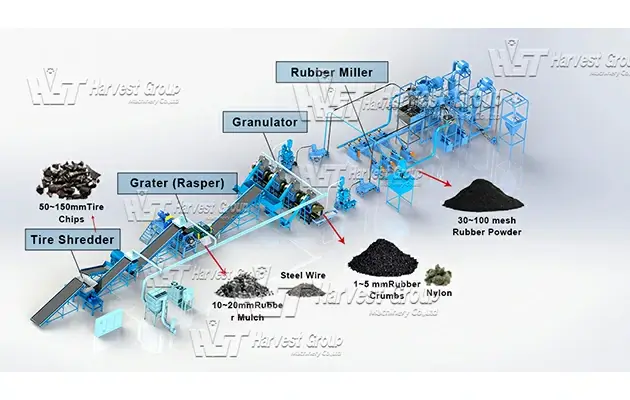
The vibrating screen is usually installed after tire shredding, rubber granulation, or rubber powder grinding. After waste tires are processed by a waste tire shredder machine, rasper, granulator, and magnetic separator, the rubber material often needs further screening before final collection or purification.
Typical process flow:
Tire Shredder → Tire Rasper → Rubber Granulator → Magnetic Separator → Vibrating Screen → Fiber Separator → Classified Rubber Granules or Rubber Powder Output
This layout helps remove oversized rubber pieces, classify different rubber particle sizes, and provide a more stable material flow for fiber separation, rubber grinding, packaging, or downstream recycled rubber production.
Used after rubber granulation to classify rubber granules into different particle sizes and reduce oversized material entering downstream equipment.
Used in rubber powder production lines to screen fine rubber powder and improve the consistency of the final recycled rubber material.
Installed in complete tire recycling plants to improve rubber particle classification, material purity, and overall line efficiency.
Helps produce cleaner and more uniform crumb rubber for rubber tiles, rubber mats, molded rubber products, playground surfaces, sports surfaces, and rubberized asphalt.
For some recycled rubber applications, screened rubber granules can also support downstream processing in a rubber mulch production line, depending on the required particle size and product standard.
A linear vibrating screen is suitable for dry rubber granules, crumb rubber, and mixed rubber materials in tire recycling lines. Its straight-line vibration helps materials move forward smoothly on the screen surface, reducing uneven flow and improving screening efficiency.
For tire recycling applications, the screen mesh size, number of screen layers, discharge outlet layout, and installation angle can be customized according to the required final rubber particle size. This makes the machine suitable for both rough screening and fine classification before final collection.
| Common Problem | HVST Solution |
| Mixed rubber granules with uneven particle sizes | Customized screen mesh separates rubber particles into different size ranges for more consistent output. |
| Oversized rubber particles entering downstream equipment | Multi-outlet discharge design removes oversized material and helps protect grinding, separation, and packaging equipment. |
| Screen mesh clogging during continuous operation | Stable vibration, proper screen angle, and suitable mesh design help reduce material accumulation and improve flow. |
| Uneven material feeding and poor screening accuracy | Linear vibration helps rubber granules spread evenly across the screen surface for better classification. |
| Frequent maintenance and downtime | Simple structure, replaceable screen mesh, and easy-access design make inspection and maintenance more convenient. |
HVST vibrating screen can be equipped with different screen mesh sizes according to the required rubber granule or rubber powder output. Single-deck, double-deck, and multi-deck designs are available for separating rubber materials into different particle size ranges.
The screen mesh, discharge outlet, machine size, and installation layout can be customized based on tire recycling line capacity and final product requirements.
| Model | VS Series |
| Application | Tire recycling plant / Rubber granule production line / Rubber powder production line |
| Input Material | Rubber granules, crumb rubber, rubber powder, fiber mixture, oversized rubber particles |
| Output | Classified rubber granules / Rubber powder / Oversized material |
| Screen Type | Linear vibrating screen / Customized vibrating screening machine |
| Screen Layer | Single deck / Double deck / Multi-deck optional |
| Screen Mesh Size | Customized according to final rubber particle size |
| Discharge Outlet | Multiple outlets optional |
| Drive Type | Vibrating motor |
| Capacity | Customized according to tire recycling line capacity |
| Motor Power | Customized according to model and screen size |
| Overall Size | Customized according to layout design |
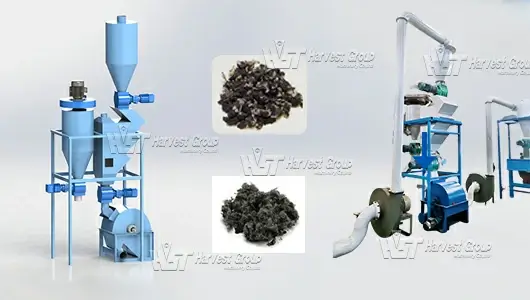
After waste tires are shredded and granulated, the rubber material often contains different particle sizes, oversized rubber pieces, fine dust, fiber fluff, and residual impurities. If these materials are not screened properly, they may reduce final rubber quality, affect downstream separation, and increase equipment wear.
A vibrating screening machine helps tire recyclers produce more uniform rubber granules and cleaner crumb rubber. It also provides a stable material flow for magnetic separation, fiber separation, rubber grinding, packaging, or downstream recycled rubber applications.
The vibrating screen uses a vibrating motor to drive the screen body. When rubber granules enter the screen surface, vibration helps the material spread evenly and move forward along the screen mesh.
Particles smaller than the mesh size pass through the screen, while oversized particles continue moving forward and are discharged from a separate outlet. For double-deck or multi-deck vibrating screens, rubber materials can be classified into several size ranges in one process.
This screening process helps improve particle size consistency, reduce oversized material, and support stable operation of the complete tire recycling line.
HVST vibrating screens are used in tire recycling plants, rubber granule production lines, and rubber powder processing systems. The screen mesh size, number of layers, discharge outlet design, and installation layout can be customized according to plant capacity, final particle size, and downstream equipment requirements.
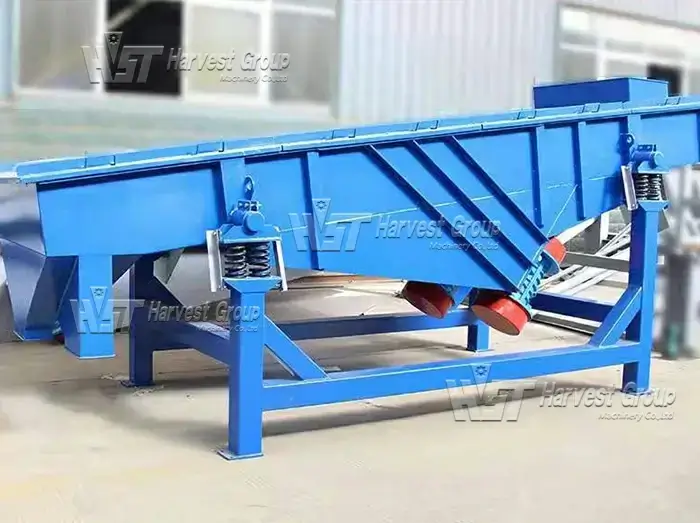
The processing capacity depends on the upstream tire shredding, granulating, magnetic separation, and rubber grinding system. HVST can provide suitable vibrating screen configurations for different rubber granule and rubber powder production requirements.
HVST provides customized vibrating screens for tire recycling lines. The machine can be used as a standalone rubber screening machine or integrated into complete rubber granule and rubber powder production lines according to capacity, material size, screen mesh requirement, and plant layout.
The vibrating screen uses a vibrating motor to generate stable vibration. Rubber granules spread evenly on the screen surface and move forward in a controlled linear motion, which helps improve material flow and screening accuracy.
Rubber granules, crumb rubber, rubber powder, fiber mixture, and oversized particles enter the screen deck after tire shredding, granulation, magnetic separation, or grinding. Smaller particles pass through the screen mesh, while larger particles continue moving forward to the discharge outlet.
Single-deck, double-deck, or multi-deck vibrating screens can classify rubber materials into different particle sizes. Each size range can be discharged from a separate outlet, supporting continuous production in tire recycling lines.
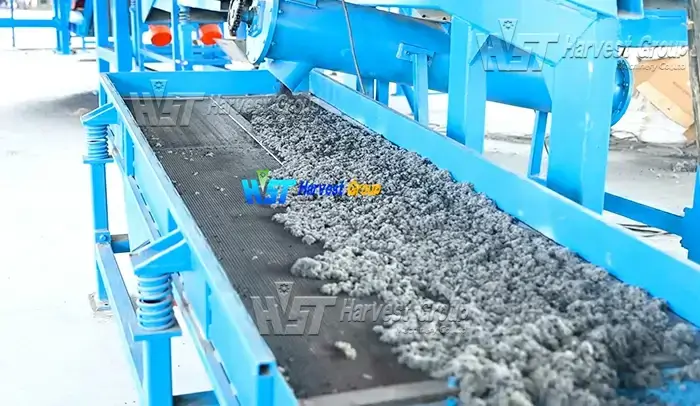
Provides stable vibration force for rubber granule movement, material stratification, and continuous screening operation.
Classifies rubber particles by size. The mesh size and screen layer number can be customized according to final output requirements.
Helps rubber granules spread evenly before entering the screening section, reducing uneven flow and improving classification accuracy.
Discharges classified rubber granules, rubber powder, and oversized particles separately for easier collection and downstream processing.
Reduces vibration transfer to the frame and helps the machine run stably during continuous tire recycling production.
Optional enclosed design helps reduce dust leakage and keeps the screening process cleaner for rubber powder production lines.
Classifies recycled rubber granules after tire shredding, rasper processing, granulation, and magnetic separation.
Improves crumb rubber consistency by separating different particle sizes and reducing oversized rubber pieces.
Used before or after rubber grinding to screen fine rubber powder and support more stable final product quality.
Helps pre-screen mixed rubber and fiber materials before further fiber separation, improving downstream separation efficiency.
Removes oversized particles that may affect rubber powder quality or increase wear on downstream equipment.
Works with tire shredder, tire rasper, rubber granulator, magnetic separator, fiber separator, and rubber grinding equipment in complete tire recycling lines.
| Item | Linear Vibrating Screen | General Screening Equipment |
| Application | Tire recycling system / Rubber granule screening / Rubber powder classification | General material screening and classification |
| Material Motion | Straight-line vibration for stable material flow | Varies by machine type, such as circular motion or rotary movement |
| Material Type | Dry rubber granules, crumb rubber, rubber powder, fiber and rubber mixture | Sand, minerals, municipal waste, or mixed bulk materials |
| Screening Accuracy | Suitable for customized particle size classification in rubber recycling | Depends on material condition and screen structure |
| System Integration | Designed to work with tire shredding, granulating, magnetic separation, and fiber separation systems | General processing systems |
| Output Quality | More uniform rubber granules and cleaner crumb rubber output | General classified output |
HVST vibrating screen for tire recycling is designed to improve rubber particle classification and final material quality. It helps separate rubber granules and rubber powder by size, reduce oversized particles, and provide stable material flow for downstream processing.
The machine can be integrated into complete rubber granule production lines, crumb rubber systems, and waste tire recycling plants.
HVST can customize screen mesh size, screen layer number, discharge outlet layout, machine size, and installation design according to material size, required capacity, and plant layout.
For complete projects, HVST can also provide upstream and downstream equipment to support a full tire recycling equipment system.
The vibrating motor, suitable screen angle, and customized mesh design help rubber granules move smoothly across the screen surface, reducing material accumulation and improving continuous screening performance.
It is used to classify rubber granules, crumb rubber, and rubber powder by particle size after tire shredding, granulation, magnetic separation, or grinding.
It is usually installed after rubber granulation or rubber powder grinding, before final collection, fiber separation, packaging, or downstream recycled rubber processing.
Yes. By using customized screen mesh and multiple discharge outlets, the vibrating screen can classify rubber materials into different particle size ranges.
Yes. The screen mesh size, screen layer number, and discharge outlet design can be customized according to the required rubber granule or rubber powder size.
A vibrating screen classifies rubber particles by size, while a fiber separator removes light nylon fiber and textile fluff from rubber powder through airflow separation.
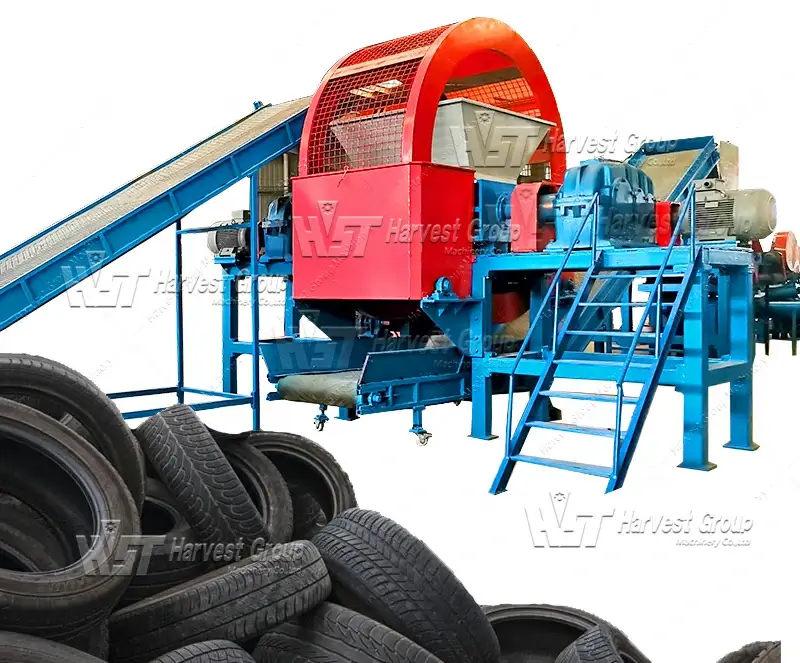
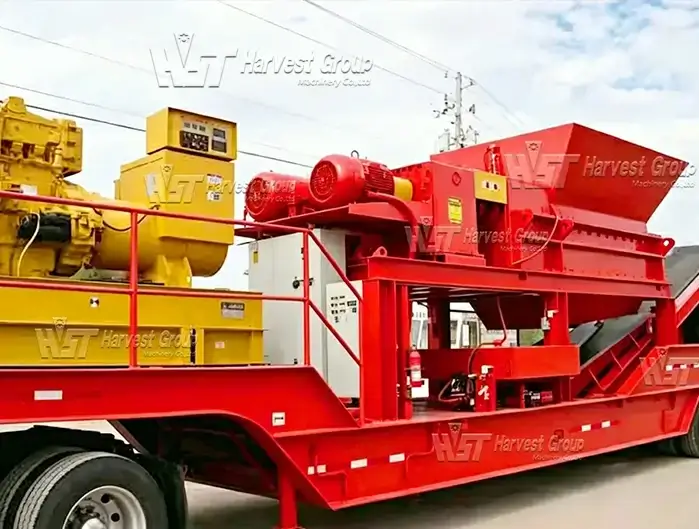
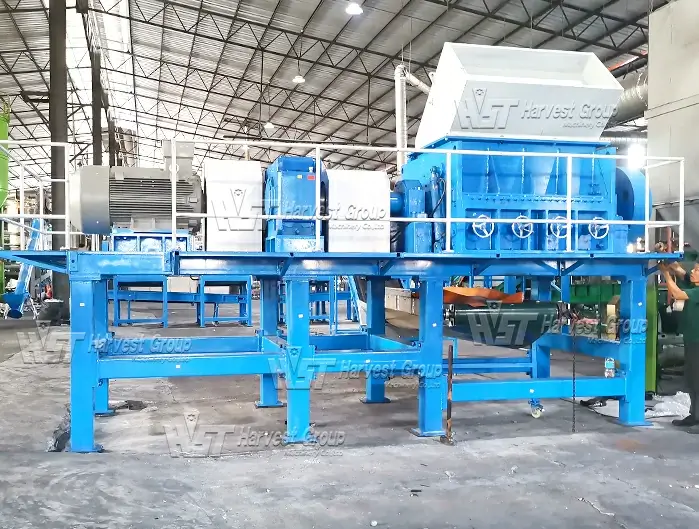
Primary size reduction equipment used before rubber granulation and screening. Learn more about waste tire shredder machine.
Used for further reducing tire chips and helping release steel wire, rubber granules, and fiber from waste tires.
Produces rubber granules for further screening, magnetic separation, fiber separation, and rubber powder processing.
Removes fine steel wire from rubber granules before screening or fiber separation to improve material purity.
Removes nylon fiber and textile fluff after screening or rubber powder grinding to produce cleaner crumb rubber.
Full tire recycling system including shredding, granulation, magnetic separation, vibrating screening, fiber separation, and final rubber powder processing.
HVST can provide vibrating screens according to your rubber granule size, rubber powder requirement, screen mesh size, capacity requirement, and plant layout. Contact us to get a suitable rubber screening solution for your tire recycling project.