Waste tires can be recycled through mechanical size reduction, material recovery, tire-derived fuel (TDF) production, or pyrolysis. For investors deciding between the last two routes, the essential distinction is straightforward: TDF turns prepared tire pieces into a solid industrial fuel, while pyrolysis thermally converts tire rubber into oil, gas, and carbon-rich solids. Both can recover value from end-of-life tires, but they require different equipment, customers, operating skills, and environmental controls.
Which method is better depends less on the number of products shown in a supplier brochure than on what your local market can actually accept. A cement plant may need consistent, correctly sized TDF chips; a pyrolysis operator must have a reliable process and an approved destination for each product stream. This guide compares the two processes, their equipment requirements, costs, limitations, and the questions to settle before ordering a waste tire recycling line.
Waste tire recycling is not a single process. Passenger car tires, truck tires, and off-the-road (OTR) tires contain rubber compounds reinforced with steel and textiles. The chosen recovery route determines how much the material must be cut, shredded, cleaned, and separated. In practice, the three major paths are mechanical material recovery, preparation as fuel, and thermal conversion.
Mechanical recycling preserves the rubber as a material rather than converting it into fuel. Tires are first cut or shredded, then processed through raspers, granulators, magnetic separation, fiber removal, and grinding as required. Depending on the end market, a crumb rubber production line can make granules for molded rubber goods and surface applications, while a rubber powder production line adds finer grinding and classification. These routes generally demand tighter control of residual steel, textile contamination, and particle size than coarse fuel-chip production.
Tire-derived fuel is produced by preparing waste tires to a fuel user’s requirements, usually through shredding and, where necessary, screening and steel removal. It is then consumed in an appropriately permitted industrial combustion system. Pyrolysis heats tire material in an oxygen-free or oxygen-limited reactor without conventional direct combustion of the feed. Vapors are condensed into tire pyrolysis oil, while non-condensable gas, solid char, and steel are recovered or managed separately. Pyrolysis oil is not TDF; they are different products with different specifications and buyers.
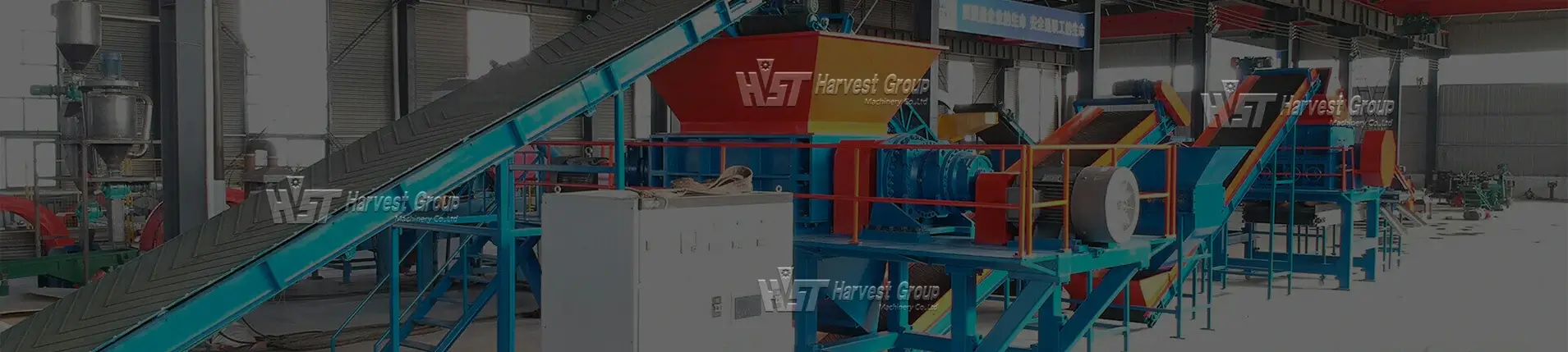
TDF is a prepared solid fuel made from scrap tires for applications such as cement kilns and suitable industrial energy systems. A typical plant includes tire feeding, one or more shredding stages, conveyors, optional screening with oversize return, and steel separation where specified. The HVST TDF tire recycling line is designed around commonly requested tire-chip sizes of approximately 50–150 mm, but this is a machine configuration range, not a universal fuel standard. The final size, wire content, fines allowance, and delivery form must be agreed with the receiving facility.
Preparation begins by identifying the tire mix: passenger tires, truck tires, and large OTR tires can require different feeding and pre-cutting arrangements. Oversized tires may first pass through a tire cutting machine or another appropriate pre-treatment system. A heavy-duty tire shredder machine then reduces the tires into transportable chips. For specifications finer than a primary shredder can reliably achieve, a secondary cutting stage may be needed.
Particle size affects more than the appearance of the product. Chips that are too large for the receiver’s conveyors, dosing equipment, or combustion system can lead to bridging, irregular fuel feeding, and rejection. A smaller target size is not automatically better, however: extra cutting consumes power, increases blade wear, and may create fines. The correct design starts with the fuel buyer’s maximum dimensions and accepted size distribution, then selects the required number of shredding stages.
After shredding, screening can separate acceptable fuel chips from pieces that exceed the required size. Oversize material is returned for further cutting rather than being mixed into the final shipment. Depending on material size and plant design, this may involve a trommel or a suitable screening system. A correctly designed return loop helps stabilize product quality, but its recirculated load must be included when calculating the line’s net accepted output.
Steel removal is another specification-dependent step. Magnets can capture sufficiently liberated ferrous steel, while embedded wire may require additional size reduction before it can be recovered effectively. HVST offers steel wire separation equipment for appropriate downstream rubber-processing stages. Not all TDF buyers require fully wire-free chips: U.S. EPA guidance recognizes that certain cement kilns can accommodate more tire steel than some other combustion applications. The contract and applicable regulations, rather than a blanket claim of “100% steel removal,” should determine the separation system.
TDF is used as a supplemental fuel in suitably designed and permitted cement kilns, pulp and paper facilities, industrial boilers, and other approved energy-recovery installations. Before commissioning a line, obtain written acceptance criteria covering chip dimensions, steel content, moisture and contamination, fines, sampling, and transport.
The advantages of TDF preparation are a relatively direct process and a defined solid product when an industrial user is already available. The limitations are equally important: freight costs can be substantial, the buyer may have strict fuel specifications, and a project that relies on one combustion facility is exposed if that outlet stops accepting material.
Tire pyrolysis is a thermal conversion route rather than a conventional rubber-granulation process. Prepared tires enter a sealed reactor, where heat breaks down the organic rubber compounds. Vapors and gas are withdrawn and treated, while carbon-rich solids and metal reinforcement remain for recovery. The process needs more than a reactor: reliable feeding, temperature control, gas handling, condensation, cooling, solids discharge, fire protection, and emission-control systems all influence operating performance.
Some batch reactors are designed to accept whole tires or large tire sections; other batch and continuous systems specify smaller, more consistent feed pieces. Tire size, bead wire, moisture, dirt, and the feed mechanism can affect heating uniformity and material handling. Accordingly, a pyrolysis project should not buy a shredder based on an assumed universal chip size. The reactor supplier must first confirm the allowable dimensions, steel content, feed rate, and any need for debeading or pre-cutting.
Inside the reactor, tire rubber decomposes as heat is applied in the absence of oxygen. Process temperature, heating rate, residence time, feed composition, and reactor design all influence how the material separates into volatile and solid fractions. Hot vapors travel through a condensation system, where condensable compounds are recovered as liquid pyrolysis oil. The remaining non-condensable gas may be treated and used as process fuel when the plant design and local regulations permit. Safe operation also requires controlled handling of start-up fuel, leaks, process pressure, off-gas, and shutdown conditions.
Published process-temperature or oil-yield figures should not be treated as guaranteed values for every project. The meaningful performance evidence is a documented trial using representative tires, with measured inputs, recovered products, energy consumption, operating hours, and residue handling.
The main product streams are tire pyrolysis oil (TPO), non-condensable gas, carbonaceous char, and recovered steel. Oil may be used or further processed only where its quality and intended application are acceptable; sulfur, composition, and other properties can require testing or upgrading. Gas reused to heat the reactor offsets purchased energy but should not also be counted as a separate sale. Solid char is not automatically commercial-grade recovered carbon black (rCB): it may need milling, removal of impurities, further processing, and buyer qualification. Steel quality likewise depends on contamination and post-treatment.
This is why a pyrolysis feasibility study must demonstrate a practical outlet for every stream, including off-spec material. The headline oil yield is only one part of the financial and environmental picture.
The primary distinction is that a TDF line prepares tires for energy recovery in another facility, whereas a pyrolysis plant performs thermal conversion at the recycling site. The comparison below covers the complete project functions rather than a shredder alone versus a reactor alone.
| Comparison Factor | TDF Production | Tire Pyrolysis |
| Core Process | Mechanical cutting, shredding and fuel preparation | Thermal decomposition and product recovery |
| Main Output | Prepared solid tire fuel chips | Pyrolysis oil, gas, char and recovered steel |
| Typical Equipment | Shredder, conveyors, optional screen, secondary shredder and magnets | Feed preparation, reactor, heating, condensation, gas and solids handling |
| Product Quality Focus | Chip size, wire content, fines and combustion-user acceptance | Liquid quality, gas use, char characteristics and product qualification |
| Plant Complexity | Usually lower for a comparable project scope | Usually higher due to coupled thermal and recovery systems |
| Energy Requirements | Mainly mechanical drive power and auxiliary equipment | Thermal energy plus electrical and auxiliary systems |
| Environmental Controls | Dust, noise, fire prevention, storage and the end user’s combustion permits | Air emissions, off-gas, liquid storage, fire safety and solid residues |
| Main Commercial Dependency | Qualified industrial fuel buyer and workable freight route | Qualified buyers or approved uses for multiple output streams |
| Most Relevant Performance Test | Net accepted chip output and specification compliance | Verified mass balance, uptime, product quality and energy use |
TDF production centers on reliable mechanical throughput, blade condition, screening efficiency, steel separation, and stable handling of bulky tire chips. Plant operators should inspect cutters, monitor conveyor loading, and keep rejects or oversize material from accumulating. Pyrolysis adds interdependent thermal and fluid-handling operations, including pressure and temperature monitoring, vapor condensation, gas safety, char discharge, and longer start-up or shutdown procedures. The complexity difference becomes especially important when skilled maintenance staff or spare parts are difficult to obtain.
A TDF preparation plant normally uses electricity to operate cutting, screening, separation, and conveying equipment. The combustion and associated air-emissions controls take place at the permitted end-use facility. A pyrolysis project needs heat for conversion as well as electricity for auxiliaries; the balance depends on whether recovered gas is reused and on the plant’s operating efficiency. Neither route is automatically emissions-free or universally “greener.” Local permits, air-pollution controls, tire storage, wastewater or condensate management, fire prevention, and final product destinations must all be examined before making an environmental claim.
There is no responsible universal answer to “Which method makes more money?” Equipment costs alone do not reflect the real economics. Feedstock collection, local processing fees, plant capacity, product quality, utilization, transport distance, utility rates, environmental obligations, and buyer contracts all determine project performance.
For a broadly comparable input capacity, a TDF preparation project often requires a smaller initial equipment budget because it does not include a full thermal reactor, condensation train, and downstream pyrolysis-product systems. But a demanding TDF specification may require dual-stage shredding, screening, wire liberation, and additional handling equipment, substantially increasing cost. Pyrolysis capital estimates must include the complete thermal plant, feed preparation, emission-control systems, tanks, safety systems, foundations, commissioning, and any required oil or char upgrading—not simply the reactor purchase price.
TDF operating expenses mainly include electricity, cutting-blade replacement, maintenance labor, conveyors, screening, magnetic separation, storage, and delivery. Pyrolysis adds thermal energy or start-up fuel, reactor and sealing maintenance, cooling and condensation utilities, laboratory testing, product storage, treatment of off-spec streams, and shutdown losses. Where pyrolysis gas is internally reused, its benefit should appear as a reduction in purchased fuel rather than being counted twice as both a fuel saving and sales revenue.
A TDF project generally depends on the amount of fuel the customer actually accepts and the delivered price after freight and deductions. A pyrolysis project may sell several outputs, but each has a different specification, value, and customer qualification process. Char with no approved buyer, oil that needs expensive upgrading, or excess gas that cannot be used should not be given an optimistic sales price in the feasibility model. In both cases, compare net revenue from accepted products minus collection, operating, transportation, compliance, and residue costs. Include realistic downtime and a scenario where the principal buyer temporarily stops receiving material.
Yes, in many projects the front-end tire size-reduction equipment can support either route, although the required output specification may be different. Shredding is therefore not necessarily a competing technology to pyrolysis: it can be an upstream preparation stage. The relevant question is whether the proposed line delivers the feed size, steel condition, capacity, and consistency required by the actual end-use process.
For TDF, a primary tire shredder, plus optional secondary shredding, screen return, and magnets, can be selected around the fuel buyer’s acceptance requirements. A finer material-recovery project may continue into a rasper, granulator, and fiber separation rather than stop at fuel chips. HVST’s tire recycling equipment range covers multiple stages, so line configuration should be based on the desired final material instead of assuming one machine or one output size fits every market.
Two capacity figures should be kept separate: gross shredder feed throughput and net saleable or accepted product output. Where screens send oversized chips back through a secondary shredder, this circulating load affects both energy consumption and the amount of finished material available for delivery.
Some pyrolysis reactors accept whole tires, while others require tire pieces small enough for screw feeders, conveyors, or faster heat transfer. A waste tire shredder or pre-cutting system can help meet those feed requirements, but it should not be specified before the thermal equipment supplier confirms the allowable size and steel content. Pre-treatment can improve feed handling, yet unnecessary over-shredding adds electricity, maintenance, and dust-control demands.
For projects considering integrated thermal conversion, review the available pyrolysis production line options alongside the front-end preparation scope. Ask suppliers to confirm the entire process boundary—from received tire size to reactor input—not merely the nameplate capacity of one machine.
Start with the product destination rather than choosing equipment from a catalog. Confirm who will receive the TDF or pyrolysis outputs, which specifications apply, what the authorities allow, and how representative feedstock will be tested. A practical comparison should use the same tire mix, annual operating hours, delivery basis, and allowance for rejected material.
TDF is often the more direct option when an appropriately permitted cement plant or industrial energy user has stated its fuel specification and can receive material economically. It can suit recycling operators whose main strength is tire collection, mechanical processing, and bulk-material logistics. Its advantages are a comparatively straightforward process and a clear primary product; its disadvantages include potential dependence on a limited number of fuel buyers, freight costs, and strict requirements for chip size and steel content.
Pyrolysis deserves consideration when the project can support thermal-process expertise, the required emission and safety controls, and credible markets for its liquid, gaseous, and solid outputs. It may open different value chains from prepared fuel chips, but those opportunities come with more equipment, product testing, and commercial obligations. The existence of several possible outputs does not guarantee a higher profit margin.
Use the following decision checklist to compare real project conditions rather than relying on a nominal oil yield or maximum shredder feed rate.
| Project Question | TDF Route: Evidence to Obtain | Pyrolysis Route: Evidence to Obtain |
| Who accepts the output? | Industrial fuel buyer, written chip specification and delivery terms | Qualified markets and specifications for oil, char, steel, and gas use |
| What tire feed is available? | Tire size mix, dirt, bead wire, storage and shredder suitability | Reactor feed size, moisture, contaminants and pretreatment requirements |
| What must the plant produce? | Accepted TDF tons/hour, size distribution and metal-content limits | Measured mass balance, oil quality, gas use and solid-product properties |
| What permits are required? | Local collection and processing permissions; lawful end-use combustion | Thermal processing, emissions, storage, residues and product handling |
| What happens during downtime? | Oversize returns, maintenance plan, fuel storage and alternate outlet | Safe reactor shutdown, off-gas control, product storage and disposal plan |
| How is project performance verified? | Representative run with net accepted output and quality testing | Representative run with measured yields, uptime, energy and samples |
Before signing a supply contract, request a defined acceptance trial. Record representative tire input by weight, the start and finish of the test, usable output, rejected or returned material, electricity and fuel consumption, and results from agreed sampling methods. This makes proposals for complete tire recycling plants easier to compare on an equivalent basis.
TDF is a solid fuel made by preparing waste tires, commonly through shredding and specification-based separation. Tire pyrolysis is a thermal process that breaks down rubber to recover oil, gas, char, and steel. TDF is typically sent to a permitted combustion user, while pyrolysis takes place in a reactor at the recycling facility.
No. Tire-derived fuel refers to prepared solid tire fuel, while tire pyrolysis oil is a liquid produced by condensing vapors from thermal decomposition. They require different equipment, storage methods, specifications, and end users.
Not always. The necessary wire-removal level depends on the combustion facility, handling equipment, written fuel specification, and local rules. Some cement kilns can accept tire steel as part of their process, whereas other applications require substantially cleaner fuel. Verify the buyer’s requirements before choosing a magnetic separation system.
Some batch pyrolysis reactors are designed for whole tires or large tire sections, but other designs require shredded and consistently sized feed. Check the reactor manufacturer’s feed opening, loading method, allowable wire content, and material specification before adding or omitting a tire shredder.
Neither method is always more profitable. TDF economics depend heavily on accepted fuel volume, price, and transport costs. Pyrolysis economics depend on plant uptime, energy consumption, actual product yields, product quality, and qualified buyers for multiple streams. Compare realistic net returns under the same feedstock, operating, permitting, and delivery assumptions.
Waste tire recycling can recover rubber as a material, prepare tires as industrial fuel, or convert them into new product streams through pyrolysis. Choose TDF when a dependable fuel buyer and an achievable fuel specification make mechanical preparation commercially workable. Consider pyrolysis when the project can demonstrate stable thermal operation, compliant emissions and residue management, and genuine outlets for its recovered products. Neither route should be selected from headline capacity or yield figures alone.
HVST provides tire cutting, shredding, screening, and separation equipment for projects with different input tires and final output requirements. If you are evaluating a TDF line or a feed-preparation system for pyrolysis, contact HVST with your tire types, target capacity, desired output size, plant location, and downstream buyer or reactor specifications to discuss a suitable configuration.