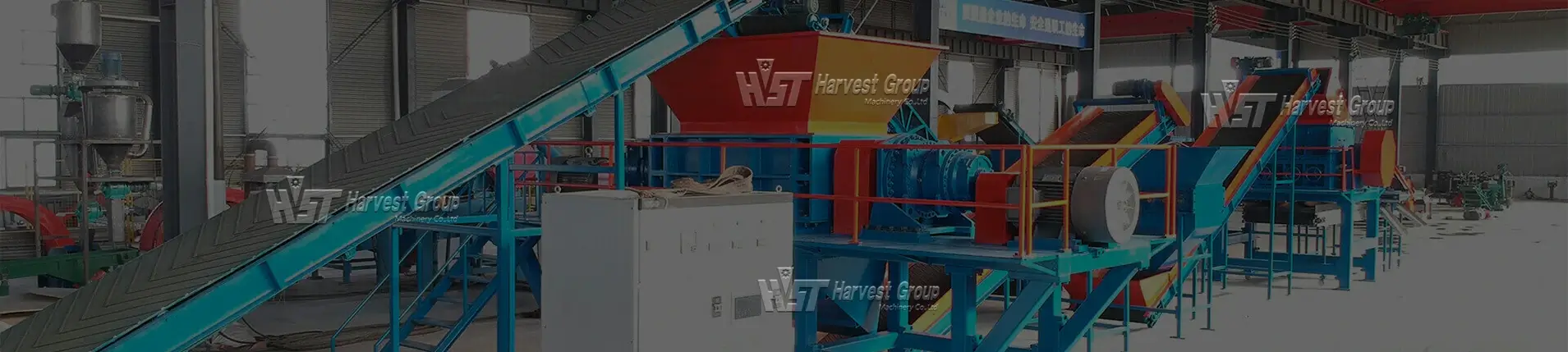
Waste tires are made from rubber, steel wire, textile fiber, carbon black, and other materials that can remain useful long after a tire reaches the end of its service life. A properly configured tire recycling plant separates these materials and converts them into products that can be sold to fuel users, construction contractors, rubber product manufacturers, landscaping suppliers, steel mills, and other downstream markets.
The final output depends on the processing depth of the recycling line. Primary shredding can produce tire-derived fuel and tire-derived aggregate, while additional steel separation, granulation, fiber removal, and fine grinding can produce rubber mulch, crumb rubber, rubber powder, recovered steel wire, and textile fiber.
Below are seven of the most common tire recycling byproducts, together with their typical applications and the equipment needed to produce them.
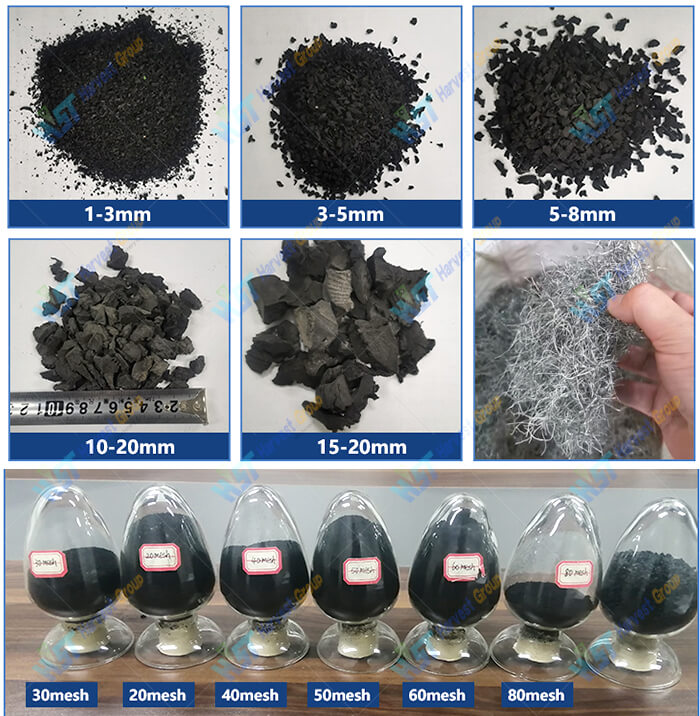
A waste tire recycling line can be designed for one final product or configured as a complete system that produces several materials at different processing stages.
| Recycling Byproduct | Typical Form | Common Applications | Main Processing Stage |
|---|---|---|---|
| Tire-Derived Fuel | Rough tire shreds or chips | Cement kilns, industrial boilers, and permitted energy recovery systems | Primary shredding and screening |
| Tire-Derived Aggregate | Engineered tire chips | Drainage, lightweight fill, road construction, and civil engineering | Shredding and size classification |
| Rubber Mulch | Steel-free rubber chips | Landscaping, playground surfaces, gardens, and decorative ground cover | Shredding, rasping, and steel separation |
| Crumb Rubber | Approximately 1–5 mm rubber granules | Rubber tiles, sports surfaces, molded products, and asphalt modification | Granulation, magnetic separation, and fiber removal |
| Rubber Powder | Fine rubber powder in different mesh sizes | Modified asphalt, coatings, waterproofing, rubber compounds, and adhesives | Fine grinding and screening |
| Recovered Steel Wire | Separated bead and reinforcing steel | Scrap steel recycling and metal smelting | Magnetic separation and steel cleaning |
| Recovered Fiber | Textile fluff or fiber | Alternative fuel, absorbent material, construction additives, and composite products | Air separation and fiber collection |
Note: Output size, purity, capacity, and market value depend on tire type, equipment configuration, separation efficiency, and local buyer requirements.

Tire-derived fuel is produced by shredding waste tires into a controlled chip size suitable for approved industrial combustion systems. Depending on the customer’s specification, the steel may remain in the tire chips or be partially removed during processing.
TDF is valued for its high energy content and is commonly used as a supplemental fuel in cement kilns, industrial boilers, pulp and paper mills, and other permitted energy recovery facilities. Consistent chip size is important because it affects feeding stability, combustion efficiency, transportation, and storage.
Tire-derived aggregate is also made from shredded waste tires, but it is used as an engineering and construction material rather than as fuel. TDA is lightweight, durable, permeable, and resistant to many forms of environmental degradation.
Common applications include retaining wall backfill, lightweight embankment fill, landfill drainage, slope stabilization, vibration reduction, septic system drainage fields, road insulation, and other civil engineering projects. The required chip size varies according to project specifications and local construction standards.
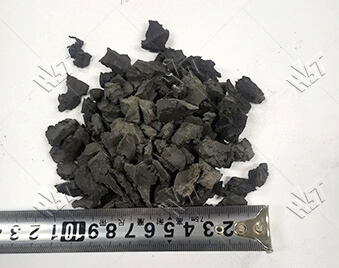
Rubber mulch is made by reducing tire shreds into smaller rubber chips and removing exposed steel wire. It is available in different sizes and can be left black or colored for landscaping and recreational applications.
Compared with organic wood mulch, recycled rubber mulch does not decompose quickly, is less likely to blow away, and requires less frequent replacement. It is commonly used in gardens, landscaped areas, walking paths, playgrounds, and decorative ground-cover projects.
For playground applications, rubber mulch should be produced, installed, and maintained according to the relevant local impact-attenuation and safety requirements. Learn more about the long-term market potential of recycled rubber mulch for playground surfaces.
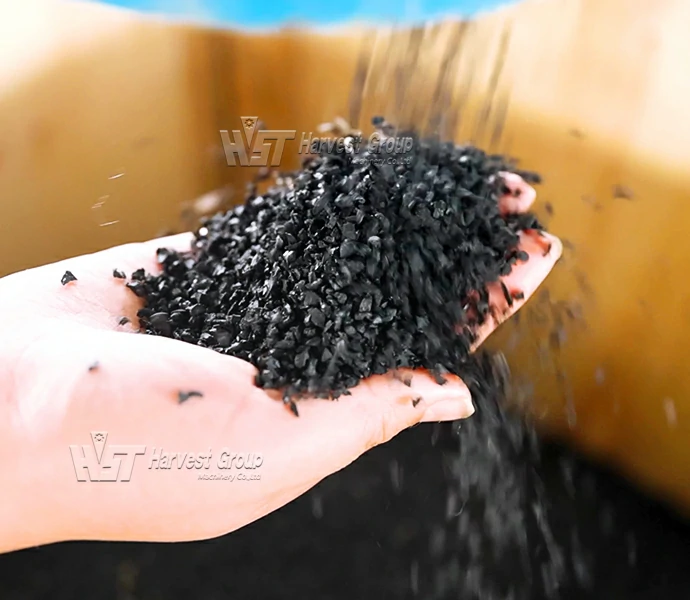
Crumb rubber is a clean rubber granulate produced after the tire is shredded, steel wire is separated, and textile fiber is removed. Depending on the screen configuration and downstream application, common output sizes include approximately 1–2 mm, 2–4 mm, and 3–5 mm.
Crumb rubber is used in molded rubber products, gym flooring, rubber tiles, running tracks, artificial turf systems, playground surfaces, speed bumps, mats, sealing products, and rubber-modified asphalt.
Product value depends heavily on particle-size consistency and purity. A properly configured granulation and separation system can produce rubber granules with very low steel and fiber content, making them more suitable for higher-value applications.
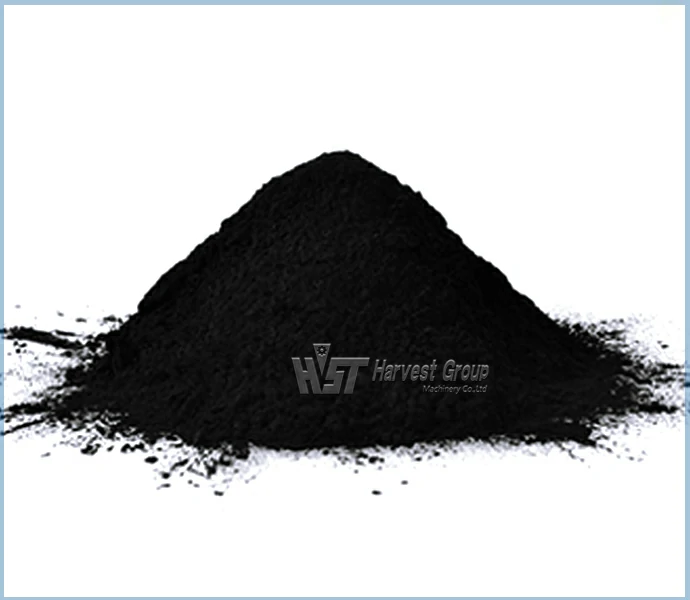
Rubber powder is produced by grinding clean crumb rubber into a finer and more uniform material. Depending on the grinding system and screen size, tire recycling plants can produce rubber powder in several mesh ranges for different markets.
Common applications include rubber-modified asphalt, waterproofing membranes, coatings, adhesives, sealing materials, reclaimed rubber production, plastic modification, molded rubber products, and new rubber compounds.
Producing rubber powder requires more processing stages and energy than producing rough tire shreds or granules. However, fine powder can serve more specialized markets and may provide greater added value when stable buyers are available.
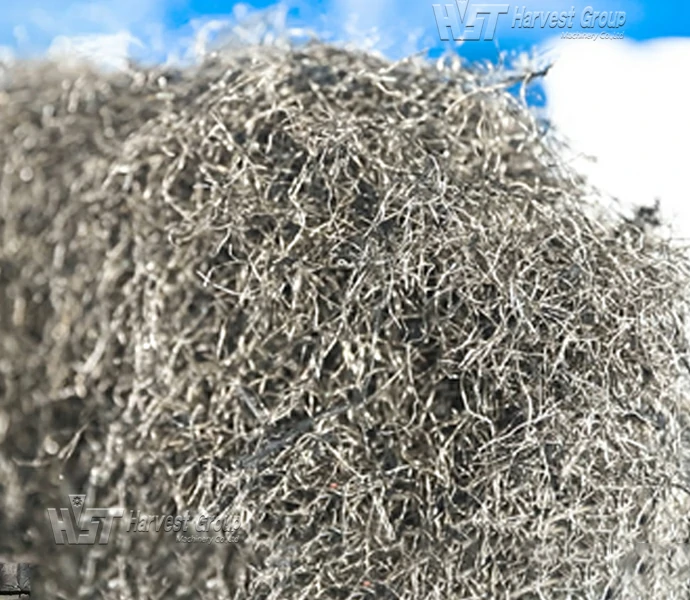
Passenger car, truck, and OTR tires contain reinforcing steel in the bead area and tire body. During recycling, this steel is released by shredders, raspers, and granulators and then removed with magnetic separation equipment.
Recovered tire steel can be compacted, transported, and sold to scrap metal processors or steel smelters. Cleaner steel with less attached rubber normally has a higher recycling value and is easier for downstream buyers to handle.
Steel should not be treated as waste from the production line. For many tire recycling projects, it is a regular secondary revenue stream that helps improve overall material recovery and reduce disposal costs.
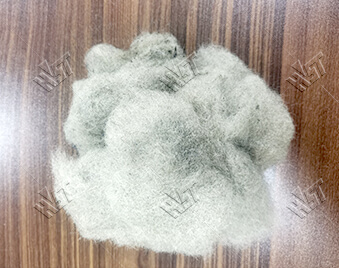
Tires also contain nylon, polyester, rayon, and other textile reinforcement materials. After granulation, these lightweight fibers are separated from the heavier rubber particles through air classifiers, suction systems, screens, and dust collection equipment.
Recovered tire fiber may be used as an alternative fuel, absorbent material, filler, construction additive, composite material, or raw material for selected molded products. Its reuse depends on cleanliness, moisture content, local regulations, and the requirements of downstream buyers.
Even where the fiber has a lower market value than rubber granules or steel, effective fiber separation remains essential because it improves rubber purity and protects the quality of the final crumb rubber or rubber powder.
The same waste tire can pass through several processing stages, with a saleable material recovered at each stage. The required equipment depends on whether the project is designed to produce TDF chips, TDA, rubber mulch, crumb rubber, fine powder, or several outputs at the same time.
Whole passenger car, truck, and selected OTR tires first enter a tire shredder. The shredder reduces the tires into rough chips, commonly around 50–100 mm depending on the screen and machine configuration. At this stage, the output may already be suitable for TDF or selected TDA applications.
You can review the complete tire shredding process from whole tires to rubber chips to understand how shred size changes through the recycling line.
When smaller, cleaner rubber chips are required, rough tire shreds are processed by a rasper. The rasper reduces the material further and pulls a large percentage of the steel wire away from the surrounding rubber.
Magnetic separators then collect the liberated steel. The resulting steel-reduced rubber chips may be used as rubber mulch or sent to the next granulation stage.
A tire granulator reduces rubber chips into uniform crumb rubber. Magnets remove remaining steel particles, while air separation systems remove nylon and textile fiber.
Screening equipment separates the rubber into different particle-size grades. Oversized material can be returned to the granulator, while qualified rubber granules move to storage or packaging.
To produce rubber powder, clean granules are processed by fine grinding equipment and classified through screens or air separation systems. Different grinding arrangements can produce several mesh sizes according to the intended application.
A complete recycling system does not only reduce tire size. It must also control steel separation, fiber separation, dust, product purity, oversize recirculation, and final product classification.
The most profitable output is not always the finest material. A project should be designed around local tire supply, customer demand, energy cost, labor cost, environmental requirements, and the selling price of each final product.
TDF and TDA generally require fewer processing stages than crumb rubber or rubber powder. They may be suitable for projects that have a stable cement plant, industrial fuel user, construction contractor, or civil engineering market nearby.
Rubber mulch production requires better steel removal and product-size control, but it does not require the same level of fine grinding as crumb rubber or rubber powder. Coloring equipment can be added when the local market prefers decorative products.
Crumb rubber can serve sports, flooring, molding, paving, landscaping, and industrial markets. However, buyers normally have clearer requirements for particle size, steel content, fiber content, and packaging.
Rubber powder can offer access to higher-value applications, but the project requires more equipment, power, dust control, maintenance, and quality management. Before investing in fine grinding equipment, it is important to confirm the required mesh size and monthly demand with potential buyers.
For a broader comparison of shredders, raspers, granulators, separators, and grinding systems, see our complete tire recycling machine guide.

Capacity: 1–15 t/h. Suitable for passenger car tires, truck tires, and selected OTR tires. The machine reduces whole or preprocessed tires into approximately 50–80 mm rough shreds for TDF, TDA, or further recycling.
Read More
The tire rasper reduces rough tire shreds into approximately 20–25 mm rubber chips while releasing a large percentage of the embedded steel wire. It prepares the material for rubber mulch production or fine granulation.
Read More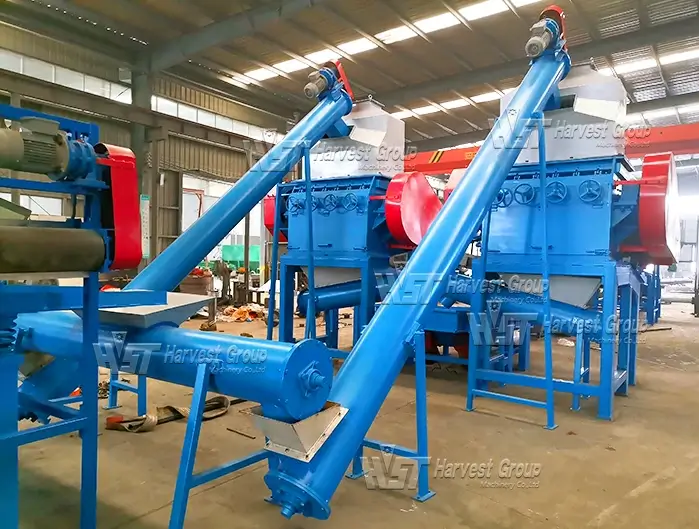
Suitable for nylon tires, radial tires, and properly preprocessed OTR tires. Typical output size: 1–5 mm. Capacity: 500–5,000 kg/h or higher. With suitable separation equipment, rubber purity can reach up to 99.9%.
Read MoreA tire recycling project can generate more than one final product. Rough shreds may be sold as TDF or TDA, clean chips may become rubber mulch, granules may be sold as crumb rubber, and finer material may be processed into rubber powder. At the same time, steel wire and textile fiber can be collected instead of being discarded.
HVST designs tire recycling systems according to tire type, required capacity, final product size, rubber purity, available workshop space, local environmental requirements, and downstream market demand. A properly planned line helps the operator recover more usable material while avoiding unnecessary equipment and energy consumption.
Before selecting a production line, confirm the following information:
Explore our complete tire recycling equipment range to compare machines for shredding, steel separation, granulation, fiber removal, screening, and rubber powder production.