For anyone responsible for a playground project—whether it’s a school, community park, real estate development or commercial amusement area—the ground surface is always a headache.
Traditional options like wood chips, sand and gravel all look cheap at the beginning, but over a few years their weaknesses become very obvious:
Wood mulch decomposes, blows away and compacts. In many projects it has to be topped up or replaced every 1–2 years.
Sand has very limited impact absorption. Falls from higher play structures can easily cause injuries, and dry sand creates dust that may trigger allergies and respiratory issues.
Gravel offers almost no cushioning and can cause cuts and bruises. It is also uncomfortable to walk on and not suitable for younger children.
At the same time, global waste tire disposal is becoming a serious environmental issue. Every year, an estimated 1.5 billion scrap tires need to be handled. A large portion is still landfilled or stockpiled, occupying land and posing potential fire and pollution risks.
Rubber mulch made from recycled tires creates a win–win solution:
it recycles waste tires and at the same time solves safety and maintenance pain points for playground operators.
With safety standards tightening, ESG and sustainability requirements rising, and owners under pressure to control long-term operating costs, rubber mulch is set to become the preferred playground surface in 2025 and beyond. The following sections explain what it is, why it performs better than traditional materials, and how to select, install and maintain it in real projects.
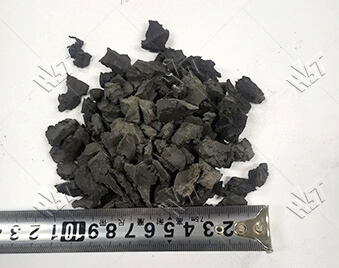
Rubber mulch is a loose-fill safety surface made from 100% recycled tires, processed into soft, elastic granules typically in the 10–32 mm size range.
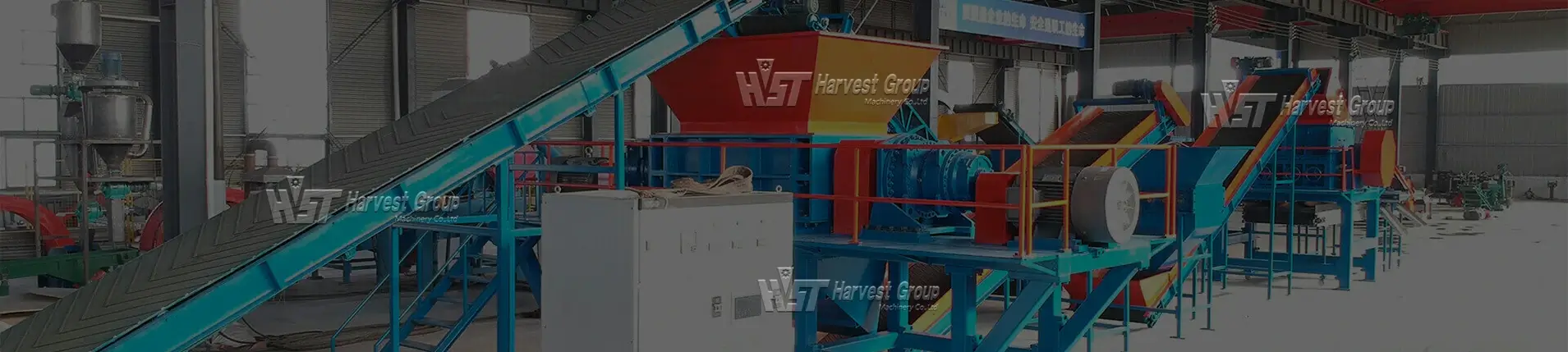
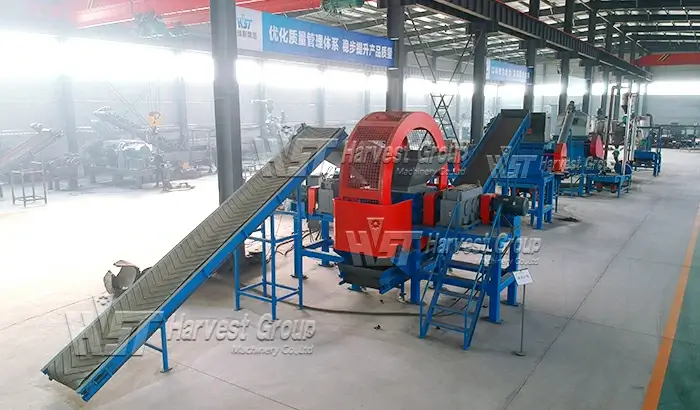
In a standard production line, scrap tires go through several steps:
Primary shredding – tires are cut into rough rubber chips.
Secondary size reduction – chips are further granulated into smaller, more uniform pieces suitable for playground use.
Steel wire removal – high-strength magnetic separators remove more than 99% of the steel content to protect users from sharp metal.
Cleaning and screening – rubber particles are washed and screened to remove dust, fiber and oversized or undersized pieces.
Coloring (optional) – non-toxic, environmentally friendly pigments and UV stabilizers are added to produce colored mulch that keeps its appearance outdoors.
By turning waste tires into a long-lasting surface material, rubber mulch not only supports the circular economy, but also offers a completely different performance profile compared with wood, sand or gravel.
Compared with conventional playground surfacing materials, rubber mulch stands out in several fundamental ways:
Not biodegradable in normal conditions
Wood mulch naturally breaks down and needs constant replenishment. Rubber mulch is chemically stable and keeps its volume and cushioning ability for many years.
Much better impact absorption
Rubber is inherently elastic. When a child falls, the surface compresses and rebounds, absorbing a large portion of the impact energy. Sand and gravel simply cannot provide the same level of shock absorption.
Excellent weather resistance
Rubber mulch does not rot, compact, freeze into a hard block or get washed away easily in rain. It can be used in hot, cold, rainy or coastal climates with consistent performance.
Lower long-term maintenance
It does not mold, does not attract termites, and does not need frequent topping up. For operators, that means fewer labor hours, fewer surprise expenses and less downtime.
Because of this, rubber mulch is increasingly viewed not as a “new material to try”, but as a strategic upgrade that reduces risk and operating cost over the full life of the playground.

In modern playground design, safety is not negotiable. Rubber mulch is specifically engineered to deliver high fall protection:
Properly installed rubber mulch at a depth of around 4–5 inches (10–12.7 cm) in residential playgrounds can help protect children from falls up to about 12 ft (3.66 m).
At 5–6 inches (12.7–15.24 cm) in commercial playgrounds, it can offer protection for falls up to around 16 ft (4.88 m).
Impact attenuation tests show that rubber mulch can deliver roughly twice the fall-protection performance of wood mulch and three times that of sand, under comparable conditions.
High-quality products on the market are designed and tested to comply with international standards such as:
ASTM F1292 – impact attenuation of surfacing materials
BS EN 1177 – impact absorbing playground surfacing
IPEMA certifications – third-party validation
ADA accessibility guidelines – smoother surface and better mobility for wheelchairs and strollers
Unlike wood, there are no splinters, and unlike sand, there is no fine dust cloud when children play and jump. That means a safer, cleaner environment for both children and supervisors.
From an environmental perspective, rubber mulch delivers value in several ways:
Efficient tire recycling
Each square meter of rubber mulch can consume multiple scrap tires, depending on thickness. When applied to a full playground, the total number of tires diverted from landfill is significant.
No new forest resources needed
Wood mulch relies on logging. Rubber mulch relies on waste. This directly reduces pressure on forest resources.
Lower life-cycle emissions
Because rubber mulch has a much longer service life and does not need to be replaced every one or two years, the overall transport, handling and material consumption over a 10-year period is much lower than with wood chips.
Independent testing by agencies such as the U.S. EPA and the European Chemicals Agency (ECHA) confirms that compliant rubber mulch products keep heavy metals and VOCs well below regulatory thresholds, and do not pose a significant risk to soil or groundwater when used as intended.
Rubber mulch is designed for long-term outdoor use:
Does not rot or absorb water
Does not support mold growth or bacterial colonies as easily as organic materials
Contains UV stabilizers to resist sunlight and reduce fading
Does not provide food for termites or carpenter ants
In high-traffic playgrounds, rubber mulch maintains its resilience. Even under repeated loading, it is far less likely to compact into a hard, unsafe layer compared with wood mulch or sand.
In practice, typical service life is in the range of 10–12 years, which is several times longer than traditional loose-fill options.

For schools, municipal parks and commercial operators, one accident can mean not only injury to a child, but also legal and reputational risk. Rubber mulch offers:
High shock absorption for falls from modern multi-level play structures
Compliance with internationally recognized safety standards
A surface that is friendly to children with mobility aids and special needs
This combination is a key reason many new builds and refurbishment projects are specifying rubber mulch as their primary safety surface.
Most owners are now looking beyond the “first-year budget” and evaluating total cost of ownership:
Wood mulch may look inexpensive at installation, but with a lifespan of only 1–2 years, frequent replacement is necessary.
Rubber mulch can last 10–12 years in typical conditions without needing a full replacement.
That means fewer tender processes, fewer construction disruptions, and a more predictable surface performance over the entire lifecycle of the playground.
Government tenders, school boards and property developers are increasingly asked to show measurable sustainability actions. Using rubber mulch allows you to:
Demonstrate active participation in tire recycling and circular economy projects
Reduce new resource consumption and landfill dependence
Align with “green campus”, “eco-community” or LEED/BREEAM-style initiatives
For international buyers, this can also become a selling point when promoting projects to parents, residents or investors.
Even though the initial purchase price of rubber mulch is higher than wood mulch, the financial picture changes when you look at 10 years instead of 1:
For a typical 100 m² playground, the initial material cost of wood mulch may be in the range of US$1,000–1,500, while rubber mulch may be around US$3,000–5,000, depending on depth and specification.
However, when you add annual topping-up, labor, transport, disposal and pest control, the 10-year total cost for wood mulch often rises to US$8,000–12,000.
For rubber mulch, because there is no need for complete replacement, the 10-year total cost, including occasional top-ups, is often around US$3,500–5,500.
In other words, rubber mulch can reduce long-term surfacing costs by around 40–60% while also improving safety and appearance.
In addition, by reducing the probability and severity of fall injuries, it indirectly lowers the risk of medical and legal expenses associated with playground accidents.
Rubber mulch is available in a wide range of colors:
Natural tones such as brown, dark green or earth-tone mixes
Bright playground colors such as red, blue, yellow or custom blends
Thanks to UV stabilizers, colors remain vivid for many seasons and do not show the “tired and grey” look that wood mulch often has after one rainy season.
Designers can use single colors in high-impact zones, or color mixes to create paths, zones and themes, tying together playground equipment, landscaping and branding (school colors, community identity, etc.).

To achieve the expected safety and economic benefits, proper installation is critical.
Level the base – ensure a gentle slope (generally ≤2%) to avoid water pooling.
Plan drainage – depending on soil conditions, this can include a graded gravel sub-base or dedicated drainage pipes to move water away from the play area.
Install geotextile fabric – a commercial-grade weed-control fabric helps prevent weed growth and keeps the mulch from sinking into the soil over time.
The required depth depends on equipment height, base type and the target fall-height rating. As a general reference:
For lower residential play sets, a thinner layer may be acceptable (for example around 4–5 inches).
For public or commercial playgrounds with higher structures, greater depth (for example 5–6 inches or more) is recommended to meet safety standards and critical fall heights.
Local regulations and supplier recommendations should always be checked for precise values in each project.
Spread the rubber mulch evenly over the prepared area.
Use rakes or specialized tools to level the surface and achieve uniform thickness.
Lightly compact the surface to stabilize it, while keeping the elastic, cushioning structure intact.
Although rubber mulch is low-maintenance compared with other surfaces, a simple maintenance plan will help keep it looking good and performing well.
Routine cleaning
Inspect the surface regularly, remove leaves, branches, litter and other debris. A blower, rake or light cleaning tools are usually sufficient.
Periodic leveling
Every few months, rake the surface to break up any minor compaction and ensure a consistent thickness, especially in high-traffic zones under swings and slides.
Thickness checks and top-ups
Every one to two years, measure the thickness in key impact zones. If the depth has decreased due to migration or natural settlement, top up those areas with additional mulch.
After heavy rain
Check drainage and confirm there is no long-term water pooling. Rubber mulch dries quickly, but standing water may indicate a drainage issue in the sub-base rather than the mulch itself.
If oil or other contaminants are accidentally spilled, the area can be washed with clean water and, if needed, a mild neutral detergent. Harsh or corrosive chemicals should be avoided.
Compliant rubber mulch products are manufactured from carefully selected tire rubber and processed under strict quality control. Reputable products are tested to ensure that heavy metals and volatile organic compounds remain well below regulatory limits.
Studies and risk assessments by agencies such as the U.S. EPA and OEHHA indicate that direct skin contact and typical playground use of compliant rubber surfaces do not pose significant health risks to children. When sourcing, buyers should look for products with clear test reports and certifications from recognized laboratories or bodies such as IPEMA.
Unlike wood, rubber contains no organic nutrients for insects. As a result, rubber mulch does not support termites, carpenter ants or similar wood-destroying pests.
In very humid environments, some insects may appear temporarily underneath the mulch, as they do in natural soil, but their numbers are usually much lower than under wood mulch, and they do not affect the safety function of the surface. Normal cleaning and landscape management are sufficient for control.
Rubber surfaces do absorb heat in direct sunlight, but the loose, granular structure of rubber mulch allows for much better air circulation and heat dissipation than solid plastic or poured surfaces.
If high summer temperatures are a concern, project owners can:
Use lighter colors such as light brown or green, which absorb less heat than black.
Combine rubber mulch with shade structures, trees, pergolas or shade sails.
This combination usually keeps surface temperatures within an acceptable range for typical playground use.
Rubber mulch has a relatively high ignition temperature and does not easily catch fire under normal playground conditions. It does not meet the definition of a highly flammable consumer material under U.S. federal regulations.
Even when exposed to open flames, its burning rate is generally slow compared with dry wood. As with any outdoor facility, local fire codes should be followed, but the risk of rubber mulch as a playground surface is considered low when used properly.
For operators who only look at the first purchase order, wood mulch often seems cheaper. However, when you look at 10 years of operation, rubber mulch usually pays for itself.
Using the earlier example of a 100 m² playground, long-term calculations show that:
Initial material cost of rubber mulch may be 2–3 times higher than wood.
But after 10 years, total spending on surfacing with rubber mulch is often 40–60% lower, because there is no need to completely replace the material every few years.
Additionally, better fall protection helps reduce the chance and severity of accidents. For schools, municipalities and commercial operators, avoiding a single serious incident can already offset a large portion of the initial investment.
For buyers who care about supply chain transparency and technical details, it is useful to understand how rubber mulch is produced.
Most manufacturers use passenger car and truck tires as their primary raw material, because these tires have consistent rubber quality and structure. Scrap tires are collected from:
Auto repair shops and tire replacement centers
Vehicle dismantling facilities
Other recycling channels
Heavily contaminated or unsuitable tires are screened out early to ensure quality and efficiency.
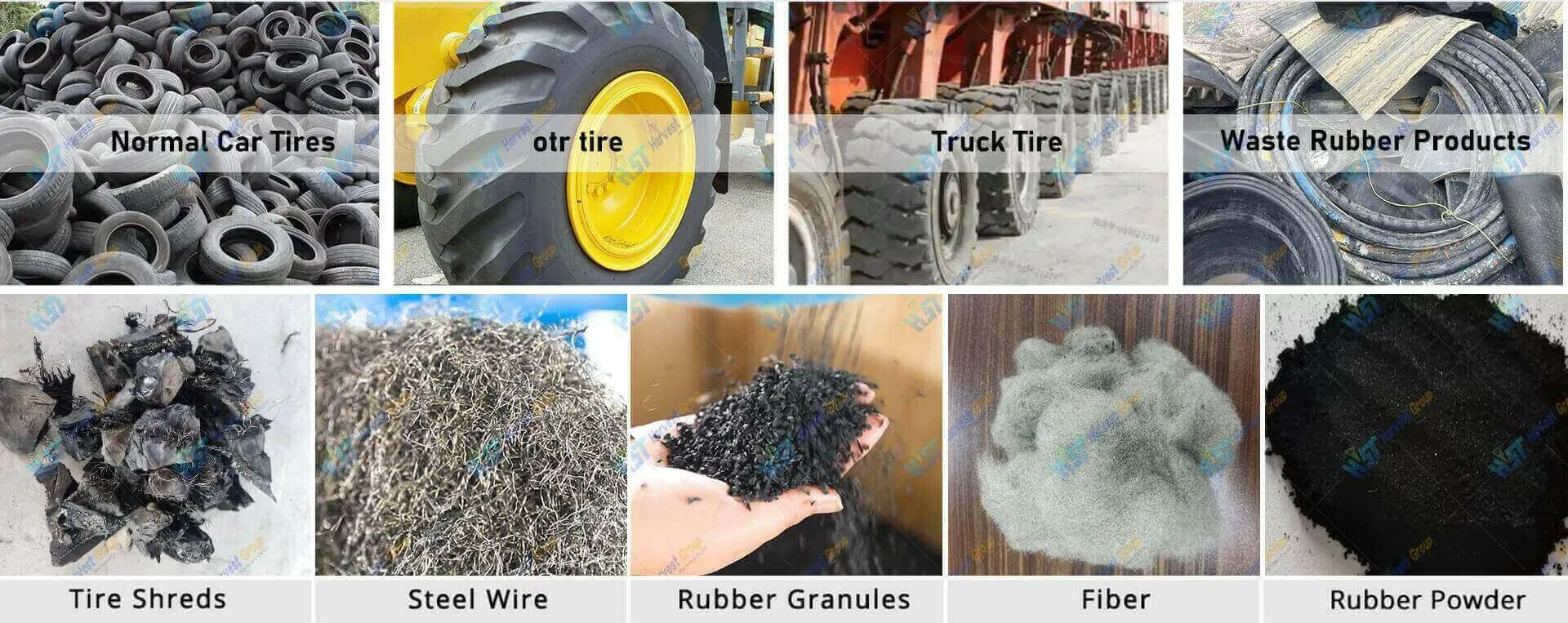
The tires are processed in two main steps:
Primary shredding – large tires are cut into smaller rubber blocks using industrial shredders equipped with hardened blades.
Secondary granulation – these blocks are further reduced into granules of the required size range for playground mulch.
Throughout these stages, the line is designed to produce uniform, cushion-friendly granules, while minimizing fine powder that could create dust.

Tires contain steel wire belts for strength. These wires must be removed completely to make the product safe for playgrounds.
Powerful magnets and sometimes multi-stage magnetic separation systems are used to capture steel fragments. High-quality production lines can achieve over 99% metal removal, with residual metal content controlled below strict safety thresholds.
Separated steel is then sent for recycling, adding another loop to the circular economy.
The rubber granules are washed to remove dust, fibers and any remaining contaminants. After that, many manufacturers apply:
Water-based, non-toxic pigments
UV stabilizers to improve color fastness under sunlight
Granules are mixed in tumbling drums to ensure even color coverage, then dried at controlled temperatures and screened again to remove clumps and off-spec pieces. The final product is bagged or loaded in bulk for shipment.
For overseas buyers, understanding this process helps in evaluating supplier capability, production stability and quality control.
Looking at playground surfacing from a 2025 buyer’s perspective, rubber mulch checks all the boxes that matter:
Safety and compliance – high impact absorption and compatibility with international standards.
Long-term durability – stable performance and appearance over a decade or more.
Environmental responsibility – real contribution to waste tire recycling and circular economy goals.
Cost control – significantly lower total cost of ownership compared with wood mulch.
Design flexibility – rich color choices and compatibility with modern landscape concepts.
For schools, communities, developers and operators who want to build safer, greener and more economical playgrounds, upgrading to rubber mulch is not just a material change—it is an investment in long-term value.
When sourcing, it is recommended to:
Choose rubber mulch that has clear test reports and recognized safety/environmental certifications.
Work with professional suppliers or recycling companies who can provide technical support on depth design, installation and maintenance.
With the right product and a proper installation plan, rubber mulch can transform a playground from a maintenance burden into a long-lasting, safe and attractive asset for the entire community.
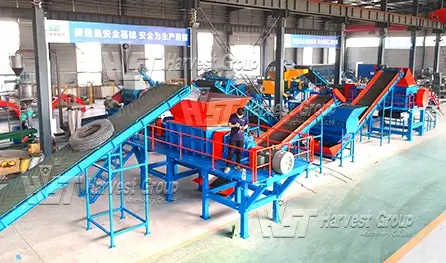
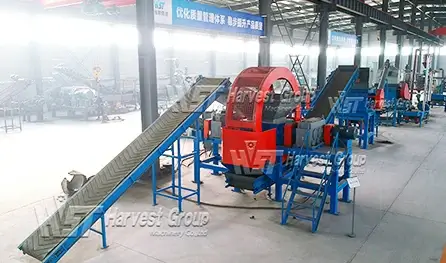
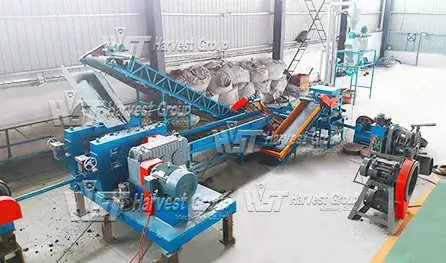
For recyclers and suppliers who want to produce playground-grade rubber mulch, HVST can provide a complete rubber mulch production line for shredding, steel separation, screening, coloring, and customized output size control.