The tire recycling industry is no longer just about environmental responsibility — it has become a real business opportunity with long-term profitability. With more than one billion waste tires generated globally every year and landfill restrictions becoming stricter, recycling is now the only sustainable solution.
For investors and business owners, one of the most important questions is clear: How much does it actually cost to start a tire recycling business, and how can you make it profitable?
To answer this question, it is important to understand not only the investment required, but also the role of tire recycling equipment in determining your long-term return.
Before estimating costs, it’s essential to understand why this industry attracts global investors. Demand for recycled rubber continues to grow across construction, sports surfaces, and industrial manufacturing.
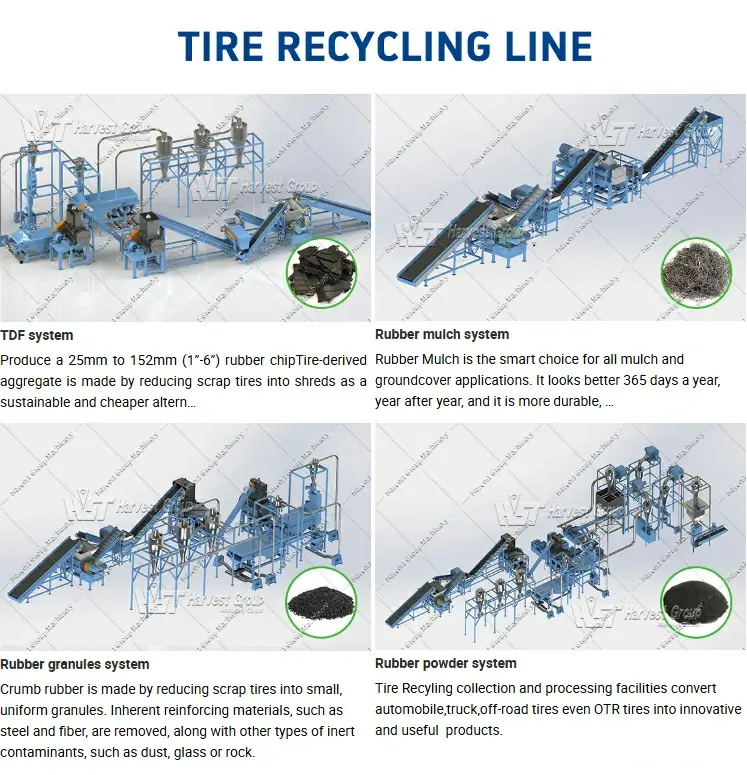
A modern tire recycling process allows waste tires to be transformed into valuable products such as rubber granules, fine powder, steel wire, and fiber.
This diversified output creates multiple revenue streams, making the business less dependent on a single market. With proper planning and equipment selection, stable cash flow and long-term profitability are achievable.
Starting a tire recycling business requires a clear understanding of initial capital investment. Costs vary depending on production scale, automation level, and target output materials.
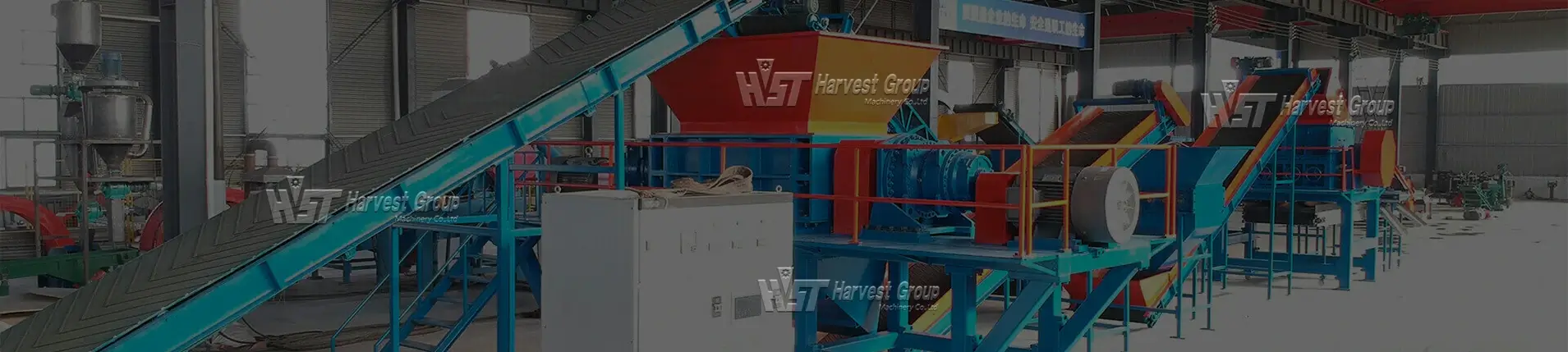
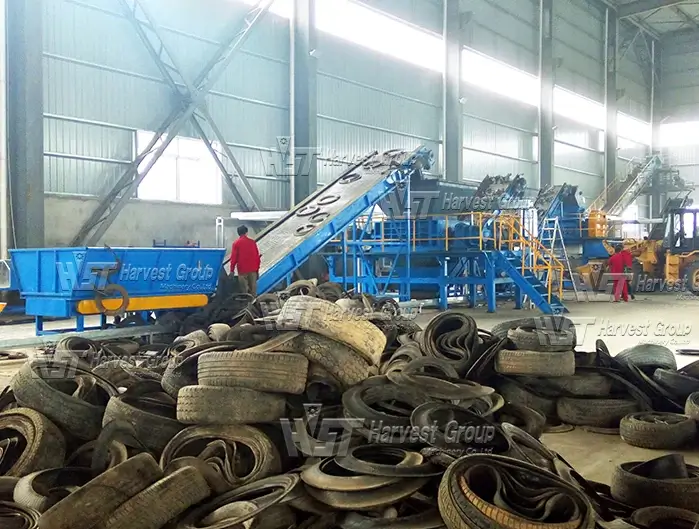
Machinery is the largest investment and directly impacts efficiency and product quality. A complete line usually begins with a tire shredder machine, which reduces whole tires into smaller rubber chips.
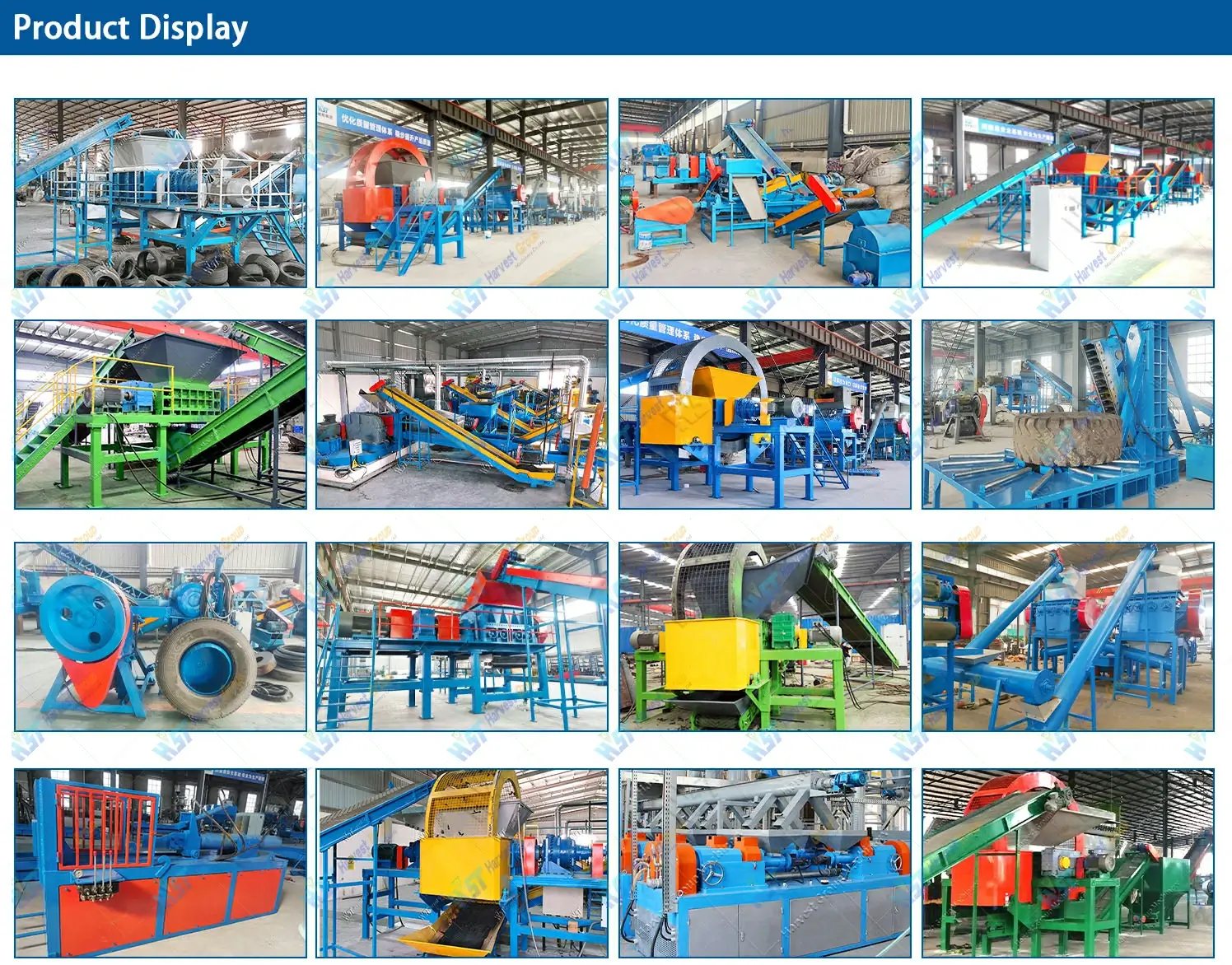
As production requirements increase, additional equipment such as granulators, rasper machines, and milling systems are required. For example, if your goal is to produce high-value materials, investing in a rubber powder production line becomes necessary.
Although lower-cost machines may seem attractive, they often lead to higher maintenance costs and lower output quality. Choosing reliable equipment is critical for long-term profitability.
The cost of land and factory space depends on your location. Many investors choose to rent industrial facilities in the early stage to reduce financial pressure.
Being close to raw material sources such as scrap yards and tire collection centers can significantly reduce transportation costs.

After the plant is operational, ongoing costs become the key factor affecting profitability.
Tire recycling is energy-intensive, especially during shredding and grinding stages. Electricity costs can be optimized by using energy-efficient machines and proper production scheduling.
Labor requirements depend on automation level. Higher automation reduces workforce dependency and improves production stability.
Regular maintenance is essential to ensure stable operation. Wear parts such as blades and screens must be replaced periodically to maintain performance.
Many investors underestimate hidden costs. Downtime caused by equipment failure can significantly reduce revenue. Poor material separation can also lower product value.
Logistics is another major factor. Long transportation distances for raw materials will directly impact your profit margins.
Understanding revenue sources is just as important as understanding costs.
The primary income comes from rubber materials. Products range from chips to granules and fine powder. Higher purity and smaller particle size usually result in higher market prices.
Steel wire recovered from tires provides additional income, while fiber contributes to overall revenue.
Many companies charge fees for collecting and processing waste tires, creating a stable cash flow.
Estimating the cost of starting a tire recycling business is not just about calculating expenses. It is about making the right decisions in equipment selection, production planning, and market positioning.
A well-designed tire recycling solutions plan can help you reduce risk, improve efficiency, and maximize long-term returns.
With the right strategy, tire recycling is not only environmentally responsible, but also a sustainable and profitable business opportunity.