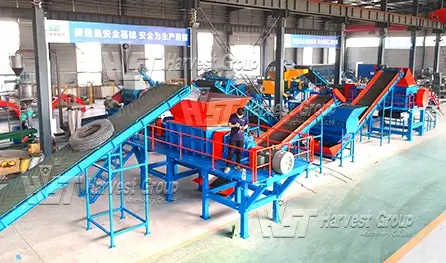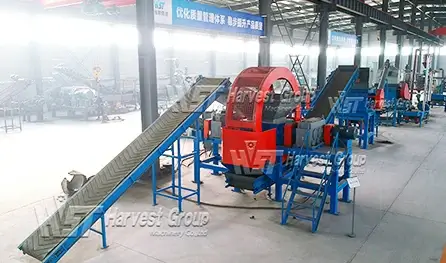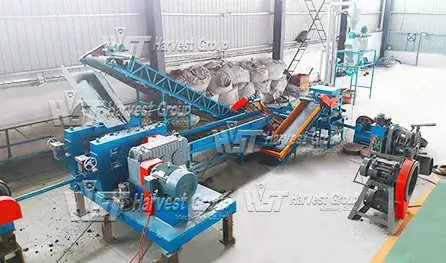
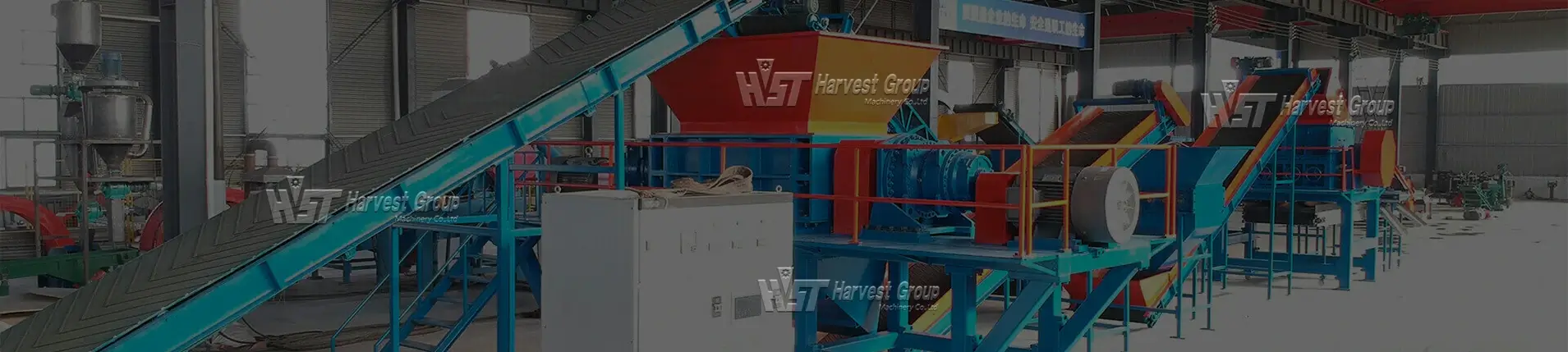
Scrap tire recycling has become one of the fastest-growing environmental and industrial sectors worldwide. From waste tires to high-value crumb rubber, rubber powder, or TDF, every stage in the process requires specialized machines working together in a carefully designed system.
This complete 2026 step-by-step guide explains the full tire recycling process, suitable for investors, engineers, and anyone planning to build a tire recycling plant.
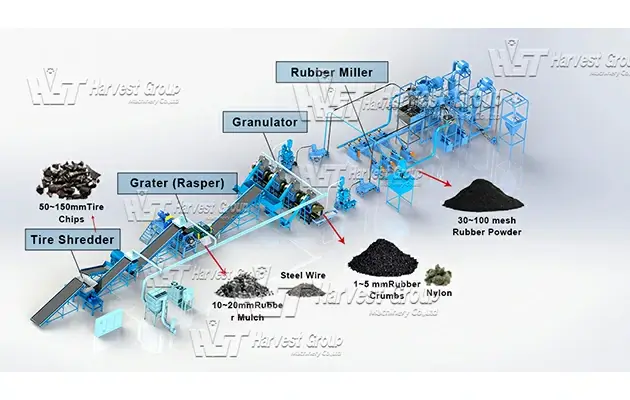
What Is Tire Recycling?
Tire recycling is the process of converting end-of-life tires into reusable materials such as rubber mulch, crumb rubber, fine rubber powder, and TDF fuel chips. For a deeper explanation of how tire recycling machines operate, see our How Tire Recycling Machines Work guide.
- 1. What Is Tire Recycling?
- 2. Complete Tire Recycling Process Overview
- 3. Tire Debeading
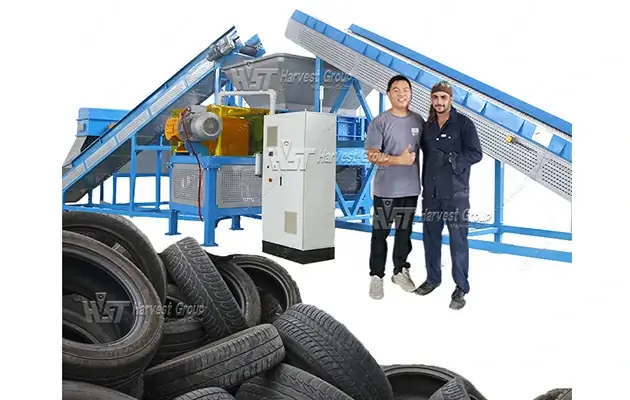
- 4. Primary Tire Shredding
- 5. Rasper Processing
- 6. Granulation to Crumb Rubber
- 7. Fiber Separation System
- 8. Steel Wire Separation
- 9. Fine Rubber Powder Production
- 10. Dust Control, Screening & Packaging
- 11. Material Recovery Rates & Profitability
- 12. Internal Linking Recommendations
- 13. Conclusion
- 1. What Is Tire Shredding and Why It Matters for Recycling
- 2. Tire Shredding Process Explained: From Whole Tires to Clean Rubber Chips
- 3. How Waste Tires Are Transformed into Rubber Powder Through Shredding
- 4. How to Produce Fine-Mesh Rubber Powder from Recycled Tire Chips
- 5. How Tire Recycling Machines Work: A Technical Breakdown
- 6. Types of Tire Recycling Machines: Functions, Advantages & Applications
- 7. What Is Crumb Rubber Used For?
- 8. How to Design a Tire Recycling Plant Layout for Maximum Efficiency
- 9. How Much Does a Tyre Shredder Cost?
- 10. How to Start a Tire Recycling Business: Equipment, Cost and Profit Guide
Complete Tire Recycling Process Overview
The complete workflow of a professional tire recycling equipments plant includes:
- Tire Debeading (optional)
- Primary Shredding – Whole Tire → 50–150 mm chips (Tire Shredding Process Explained)
- Rasper Reduction – Chips → 10–30 mm rubber mulch
- Granulation – Mulch → 1–4 mm crumb rubber (Crumb Rubber Production Guide)
- Fiber Separation System
- Steel Separation
- Fine Rubber Pulverizing (optional)
- Dust Collection & Separation
- Final Product Screening & Packaging
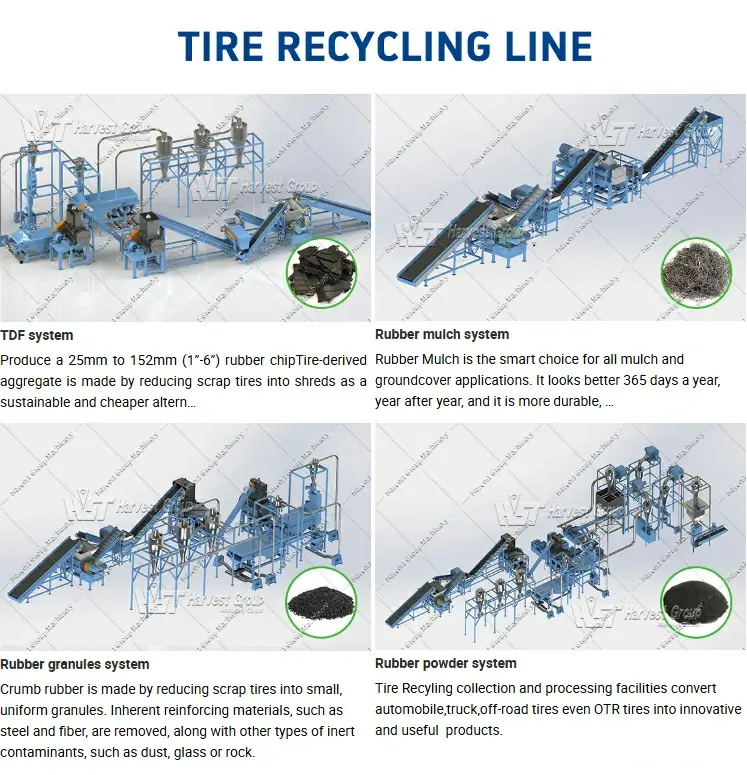
— Tire Debeading (Optional but Recommended)
Purpose: Remove the thick steel bead wire before shredding.
Advantages:
- Reduces wear on the primary shredder blades
- Improves steel purity
- Improves downstream machine performance
Output: Clean bead wire + whole tire ready for shredding.
Primary Tire Shredding (Whole Tires → 50–150 mm Chips)
Machine used: Double-shaft shredder.
Function: Convert whole tires into rough rubber chips.
Typical output sizes:
- 50 mm
- 70 mm
- 100–150 mm (TDF fuel applications)
For a full breakdown of shredding stages, see Tire Shredding Process (2026 Edition).
Rasper Processing (50–150 mm Chips → 10–30 mm Mulch)
Machine used: Rasper
Why this step matters:
- Produces clean rubber mulch
- Removes 90–95% steel
- Protects granulators from damage
Granulation to Produce 1–4 mm Crumb Rubber
Output: 1–4 mm crumb rubber.
Learn more in our detailed guide: Rubber Crumb Production Process.
Applications:
- Sports fields
- Playground surfaces
- Rubber tiles
- Asphalt modification
Fiber Separation System
After granulation, textile fibers remain mixed with rubber particles. Professional plants use:
- Airflow separators
- Cyclone systems
- Dust collectors
- Vibrating screens
The goal is 98–99% fiber removal to produce high-grade crumb rubber.
Steel Wire Separation
Magnetic separation is used after rasper and granulators to ensure high steel purity.
Steel purity: Up to 98–99%
Fine Rubber Powder Production (Optional)
If you need ultra-fine 20–120 mesh powder, see our detailed industry article: Fine Rubber Powder (80–120 Mesh) Production Line.
Applications:
- Automotive rubber parts
- Adhesives & sealants
- Waterproof membranes
Dust Control, Screening & Packaging
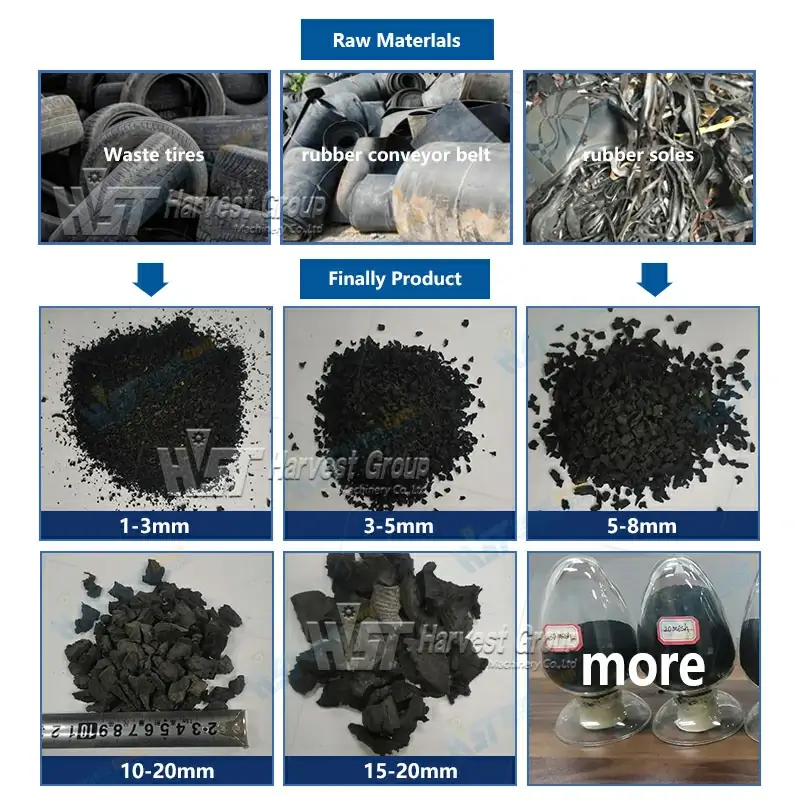
Final products are separated into sizes such as:
- 1–2 mm
- 2–3 mm
- 3–4 mm
- 10–30 mm mulch
- 80–120 mesh powder
Products are packed in jumbo bags or small 25 kg bags.

Material Recovery Rates & Profitability
| Output | Purity | Market Value |
|---|---|---|
| Crumb Rubber | 98–99% | High |
| Rubber Powder | 99% | Very high |
| Steel Wire | 98–99% | Medium |
| Textile Fiber | Low | Recycled/landfill |
Internal Linking Recommendations
This main article should internally link to:
- Tire Shredding Process
- How Tire Recycling Machines Work
- Crumb Rubber Production
- Rubber Powder Production Line
- Tire Recycling Plant Layout
And all those articles should link back to this one (Topical Authority structure).
Conclusion
This step-by-step guide provides a complete overview of how modern tire recycling works. To design a full plant layout, visit our Tire Recycling Plant Layout Guide.
If you need machine specifications, layout proposals, or a full project quotation, feel free to contact our engineering team.