Every year, the world generates an enormous volume of end-of-life tires. When they’re landfilled or dumped, they create long-term soil risks, fire hazards, and costly compliance issues. But under tighter circular-economy regulations and better processing technology, scrap tires have become a cross-industry feedstock used in road construction, energy, sports infrastructure, landscaping, manufacturing, and more.
For exporters, traders, and recycling plant investors, the key question is practical: where is the demand, what specs does each market require, and which products deliver the best margins? Below is a market-focused guide to the top end-use markets for recycled tires, written for international business decisions—not academic theory.
Rubber-modified asphalt remains the most mature, large-volume outlet for recycled tire rubber in many regions. Road agencies and infrastructure contractors like it for one simple reason: performance upgrades that reduce lifecycle cost.
Longer pavement life and better crack resistance Improved skid resistance in wet conditions Noticeable road-noise reduction (especially on highways and urban arterials) “Green procurement” policies that favor recycled content in public projects
Rubber powder: commonly 30–40 mesh Low contamination: controlled steel and fiber content Consistent particle size and stable quality for blending and paving performance
Highways, airport runways, bridge decks, city main roads, and large municipal resurfacing projects.
Trade note: If you can deliver stable mesh, low steel/fiber, and consistent batch-to-batch quality, rubberized asphalt customers tend to be repeat buyers with predictable purchasing cycles.
For rubber powder and asphalt-grade crumb production, see our rubber powder production line.
TDF is one of the largest recycled-tire end markets globally, especially where cement kilns, industrial boilers, or waste-to-energy plants are permitted to co-process tire chips.
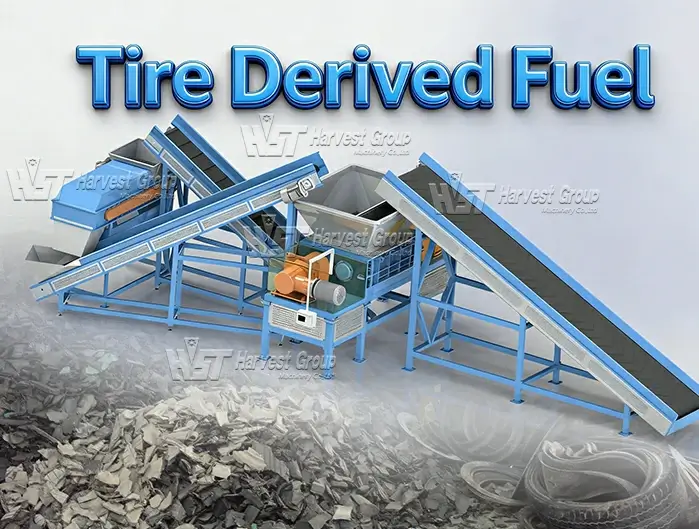
High energy content compared with many traditional fuels Lower fuel cost in many markets (especially when local disposal fees are high) Strong demand from energy-intensive industries looking to cut cost and meet sustainability targets
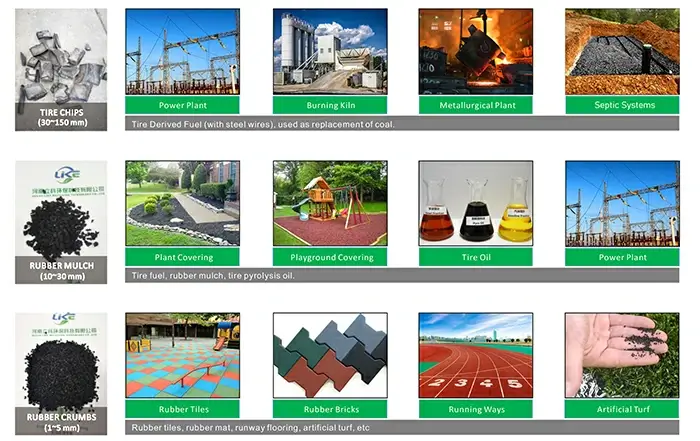
Tire chips: often 50–80 mm Steel/fiber removal: required by most serious buyers Clean, consistent sizing to ensure stable feeding and combustion
Cement plants, pulp & paper mills, industrial boilers, and certain waste-to-energy facilities.
Trade note: TDF is usually a scale game. Logistics, local permitting, and stable offtake agreements matter as much as processing.
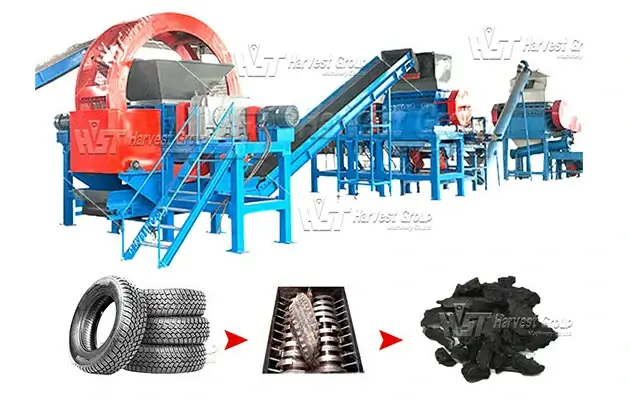
For producing fuel-grade tire chips, explore our TDF tire recycling line.
Civil engineering projects consume large volumes when recycled tire material is accepted as lightweight fill or drainage layers.
Lightweight compared with traditional aggregates Good drainage properties Energy absorption and vibration damping
Tire shreds/chunks: commonly 50–150 mm Consistent sizing and manageable steel content
Road subgrade fill, drainage layers, slope stabilization, and retaining-wall backfill.
Trade note: This market is usually local/regional due to transport cost, but it can move serious tonnage where approvals exist.
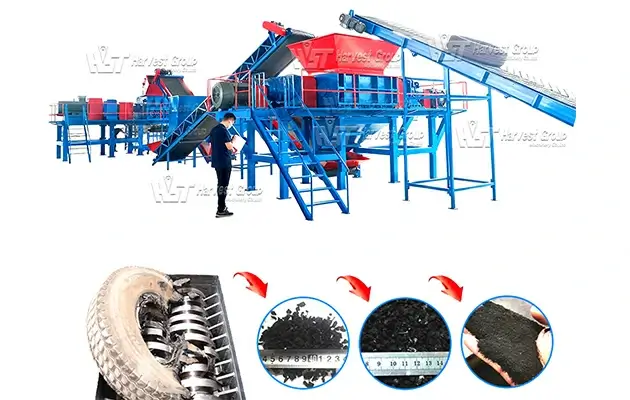
For producing tire shreds used in civil engineering, see our waste tire shredder machine.
This market is growing because schools, communities, and fitness facilities continue upgrading surfaces to reduce injury risk and improve user experience.
Shock absorption and safety performance are core selling points Demand comes from both public projects (schools/parks) and private projects (gyms/sports clubs)
Clean rubber granules: commonly 1–5 mm Very low steel content and controlled fiber Low odor / low VOC expectations in many regions Buyers may ask for compliance aligned with local standards
Running tracks, artificial turf infill, indoor court underlayment, and playground safety surfacing.
Trade note: This market rewards purity, consistency, and documentation. If your line can produce clean granules with reliable QA, you can charge a premium compared with bulk markets.
To produce sports-grade granules, view our rubber crumb production line.
Rubber mulch is popular in landscaping because it lasts longer than wood mulch and reduces ongoing maintenance.
Long service life and less frequent replacement Does not rot like wood mulch Helps suppress weeds and maintain moisture Often marketed as a cleaner, longer-term option for parks and commercial landscapes
Rubber chips/granules: commonly 10–20 mm Optional color customization Cleanliness and low dust for premium landscaping projects
Parks, garden pathways, commercial landscaping, municipal greenbelts, and property management projects.
Trade note: This is a good “starter product” in many regions because the technical barrier is moderate, but branding and packaging can raise margins.
For mulch-grade rubber chip production, see our rubber mulch production line.
Horse facilities in regions with strong equestrian industries often pay premium prices for recycled rubber footing materials.
Rubber granules: commonly 2–4 mm Very low dust levels and stable particle quality Good drainage and traction performance when blended with sand
Riding arenas, horse-stall mats, and footing mixes designed to reduce joint strain and improve safety.
Trade note: This is a relationship-and-quality market. If you meet dust/purity requirements consistently, you can earn strong margins.
For producing clean 2–4 mm granules, see our tire granulator machine.