When the roar of engines fades and mechanics pack up after a Grand Prix, one thing quietly disappears from view — the stacks of used Formula 1 tires. Those slicks that once gripped the track through corners and left black streaks on the asphalt don’t just vanish. Each tire is logged, collected, and prepared for a second life that’s managed with the same precision as the race itself.
Here’s how F1’s used tires complete their remarkable transformation — from elite racing tools to recycled materials that help build roads, playgrounds, and even renewable energy.
Tire consumption in Formula 1 is immense despite being tightly regulated.
During a standard race weekend, each driver receives 13 sets of dry-weather tires — typically two hard, three medium, and eight soft compounds. For sprint weekends, the total drops to twelve sets.
After each practice and qualifying session, several sets are returned to Pirelli. By Sunday evening, every team has cycled through dozens of tires. That’s around 260 slick tires per team per weekend, plus intermediates and wets. Multiply this by ten teams and more than twenty races, and F1’s annual tire count easily surpasses tens of thousands — all carefully tracked from start to finish.
F1 teams don’t own their tires — they lease them from Pirelli, the exclusive supplier. Each tire carries a barcode that records where, when, and how it was used. This ensures total transparency for safety and performance monitoring.
Losing a tire can result in fines because each one contains both performance data and proprietary chemical formulations. For this reason, no tire is ever discarded casually — every single one returns to Pirelli for controlled recycling.
Once the checkered flag drops, the recycling process starts almost immediately.
Technicians make a precise cut through the sidewall of each tire. This step ensures the tire can never be reused, preventing illegal resale and protecting Pirelli’s compound secrets.
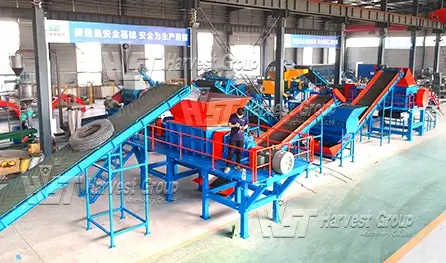
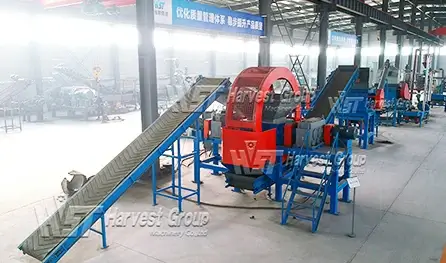
After deactivation, the tires move to industrial tire recycling machines near the circuit or logistics hub. Using hydraulic pressure and cutting blades, these machines flatten and pre-cut the tires, reducing their volume by up to 70% and preparing them for material separation.
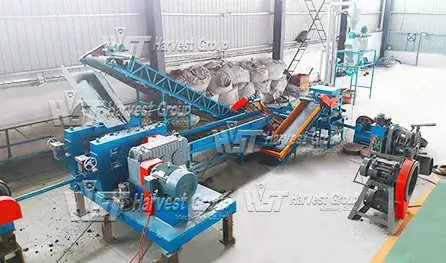
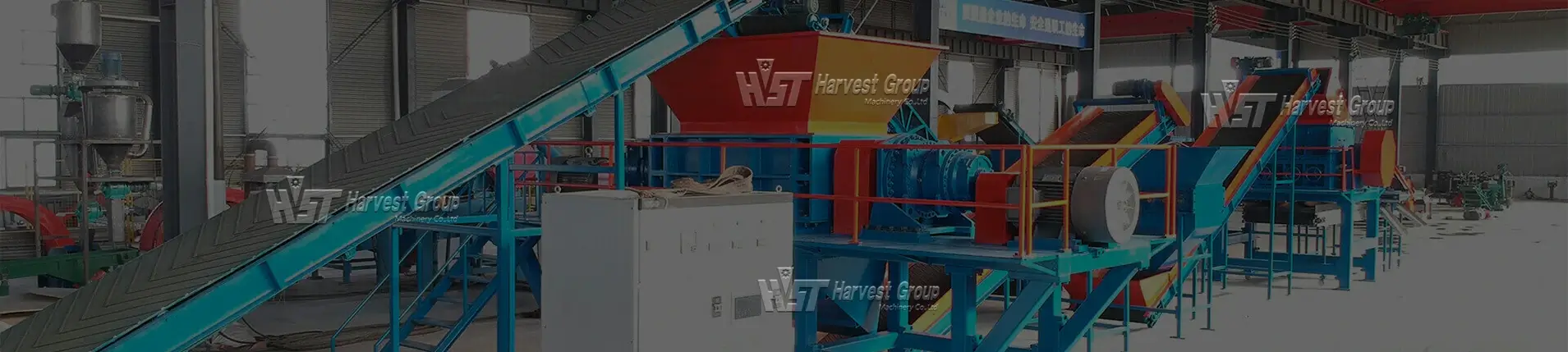
The compressed tires then enter a fully automated tire recycling line, consisting of:
Tire shredders for primary cutting into chips
Raspers for secondary grinding into fine rubber granules
Magnetic separators to remove embedded steel wire
Fiber separators to extract textile materials
Together, these machines convert the retired F1 tires into clean, separated raw materials — steel for remelting, fibers for building materials, and rubber granules for asphalt or flooring.
Modern recycling plants can handle these steps locally, eliminating long-distance transport and reducing carbon emissions.
Once separated, each material finds a new purpose in industry or infrastructure.
In cement and brick manufacturing, shredded rubber replaces coal as an alternative fuel.
A single ton of tire rubber produces the same heat as premium-grade oil while generating fewer emissions.
State-of-the-art filtration systems capture residual gases and dust, ensuring clean combustion and leaving reusable carbon-rich ash.
Not all tires are converted into fuel — much of the recycled rubber becomes granulated material for:
Rubberized asphalt, improving road grip and durability while reducing road noise.
Playground and sports flooring, where elasticity and impact absorption enhance safety.
Industrial flooring and mats, offering long-lasting performance in high-traffic spaces.
In these applications, the rubber’s natural resilience and grip — once vital at 360 km/h — now serve public safety and comfort for decades.
F1 tires are built using vulcanized rubber, a process that permanently bonds molecular chains through sulfur cross-links. This gives them the strength to handle extreme loads and temperatures — but it also makes the process irreversible.
Once the rubber’s structure breaks down through heat and stress, it can’t be “un-cured” or remolded into a new racing tire. For safety reasons, FIA regulations prohibit any attempt to retread or reuse competition tires. Recycling, therefore, becomes the only viable — and responsible — solution.
Modern Formula 1 tires already feature FSC-certified natural rubber, ensuring ethical sourcing from managed plantations. The rest consists of synthetic rubber, steel cords, silica, sulfur, and carbon black — all of which can be recovered or reused.
Recycling facilities employ advanced environmental controls, including:
Dust filtration to capture fine particles
Gas treatment systems to remove sulfur and nitrogen compounds
EU-compliant emission standards for all operations
Residual solids are either reused in construction materials or safely treated under hazardous waste guidelines. Together, these measures ensure zero uncontrolled emissions and support Formula 1’s ongoing carbon-reduction goals.
The tire recycling industry is advancing rapidly, and Formula 1 is driving part of that progress. Current innovations include:
Chemical recovery for carbon black and other compounds
Rubber–plastic hybrid materials for flooring or automotive parts
Nanocarbon additives for energy storage and supercapacitors
Eco-absorbents for cleaning oil spills and industrial wastewater
Pirelli has also confirmed confidential R&D projects exploring cross-material recycling, hinting at a future where racing rubber could be reborn in multiple industries — from green energy to advanced composites.
Formula 1 has long been a showcase of speed and technology. But its behind-the-scenes recycling program demonstrates that innovation and sustainability can coexist.
Every F1 tire is tracked, collected, and recycled.
Materials are repurposed into fuel, asphalt, flooring, and playgrounds.
New technologies are pushing the sport closer to a true circular economy.
So next time you watch an F1 pit stop, remember: the tires coming off may have finished their race — but their journey as part of a greener, more resource-efficient world has only just begun.