Globally, the disposal of scrap tires remains a significant challenge in environmental protection. According to relevant statistics, billions of scrap tires are generated worldwide each year. If these tires are solely disposed of through landfilling, they not only occupy vast amounts of land resources but also pose risks of long-term pollution to soil and water sources due to their slow degradation. Recycling scrap tires into shredded rubber mulch undoubtedly offers an ideal solution to this crisis.
From an environmental perspective, the production of crumb rubber mulch exemplifies the resourceful reuse of waste materials. Globally, approximately 1.5 billion scrap tires are generated annually, with a significant portion accumulating in landfills. This not only consumes valuable land resources but also poses potential contamination risks to soil and groundwater due to the heavy metals and chemical additives present in rubber. Processing scrap tires into crumb rubber mulch effectively reduces this environmental burden. In the United States alone, such recycling initiatives prevent approximately 300 million scrap tires from entering landfills annually, equivalent to reducing solid waste by about 1.2 million tons.
This circular economy model also yields significant resource conservation benefits. Producing new rubber requires substantial consumption of natural rubber tree resources or petrochemical feedstocks. In contrast, recycling one ton of scrap tires into shredded rubber mulch saves approximately 700 liters of petroleum resources and reduces 1.5 tons of carbon dioxide emissions. Consequently, the U.S. Environmental Protection Agency (EPA) has included crumb rubber surfacing in its list of “Preferred Environmental Building Materials,” while the Canadian Standards Association (CSA) has established stringent “Performance Standards for Recycled Rubber Surfacing” to ensure it meets dual requirements for environmental sustainability and safety.

In practical applications, children’s playgrounds represent the most prominent use case for shredded rubber mulch. Its high elasticity effectively cushions impact during falls, reducing injury risks by approximately 80%. Additionally, the rubber material exhibits strong weather resistance, resisting decay and mold, eliminating the need for frequent replacement and further reducing secondary waste generated during maintenance. This combination of environmental benefits and safety assurance makes it the preferred flooring material for over 60% of newly constructed children’s playgrounds worldwide, achieving a true win-win of “turning waste into treasure” and “safeguarding safety.”
In practical scenarios, many used car buyers prioritize replacing tires after purchasing a vehicle. So where do these discarded tires end up? Some are professionally processed into practical rubber surfacing, enhancing convenience and safety in daily life. This article comprehensively covers the production process, required equipment, application scenarios, and safety aspects of recycled rubber surfacing, providing detailed guidance for interested readers.

Tire Sourcing and Screening
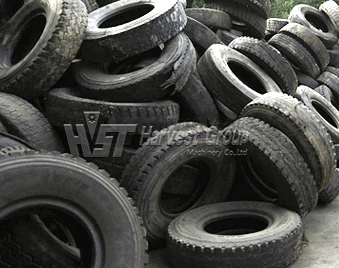
The first step in producing shredded rubber mats is securing a reliable tire supply. Theoretically, nearly all tire types and sizes—from bicycle tires to passenger car tires to heavy-duty truck tires—can be utilized. However, ethical sourcing practices must be prioritized during collection. Prioritize partnerships with local automotive dealerships and tire repair shops, as these locations typically generate substantial quantities of used tires from legitimate sources. Avoid collecting illegally discarded tires, which may contain significant impurities and pose potential legal risks during processing.
After collecting tires, perform basic sorting and classification. Organize them by size and type to streamline subsequent shredding and processing stages, enhancing overall efficiency. For instance, separating small bicycle tires from large truck tires allows adjusting equipment parameters based on each tire’s characteristics, ensuring consistent shredding results.
Safety Precautions: Essential Preliminary Preparations
Before commencing rubber covering production, safety precautions must be fully implemented. Improper handling of steel belts within tires and potential contaminants can not only compromise final product quality but also cause injuries to operators, such as lacerations or cuts.
Therefore, personnel involved in tire processing must wear complete safety gear, including abrasion-resistant gloves, safety goggles, and dust masks. Wear-resistant gloves effectively prevent cuts from tire edges or steel belts; safety goggles shield eyes from debris generated during processing; and dust masks reduce inhalation of rubber dust during shredding, safeguarding respiratory health.
As mentioned earlier, establishing a multi-channel recycling network is key for tire collection. First, form long-term partnerships with auto repair shops and dealerships by installing dedicated scrap tire collection bins at their premises and scheduling regular pickups via specialized transport vehicles. Second, collaborate with community committees and environmental volunteer groups to organize themed collection events like “New Life for Old Tires, Green Action for Our Neighborhood.” During these events, incorporate environmental education sessions using visual displays and short videos to inform residents about hazards like fire risks and mosquito breeding associated with tire accumulation. Simultaneously, highlight the versatile applications of shredded rubber mulch in gardening. To boost participation, implement a points-for-rewards system where each donated tire earns residents eco-friendly shopping bags, plant seeds, or other small gifts. This multi-dimensional collection approach significantly expands tire recycling coverage while effectively raising environmental awareness and fostering resident engagement through educational entertainment.
Once sufficient tires are collected, sorting becomes critical. Tires can be categorized based on diameter, width, and rubber thickness. For example, group small tires under 15 inches in diameter into one category, medium tires between 15-20 inches into another, and large tires over 20 inches separately. This classification allows for more targeted adjustments in subsequent steel belt removal and shredding processes, thereby improving processing efficiency.
Steel belts are critical structural components ensuring tire strength. However, they pose significant hazards when used in rubber surfacing materials. Residual steel belts in rubber surfaces can easily cause cuts to children or operators in playgrounds or landscaping applications, while also compromising the surface’s texture and safety. Therefore, thorough steel belt removal is an indispensable key step in the manufacturing process.
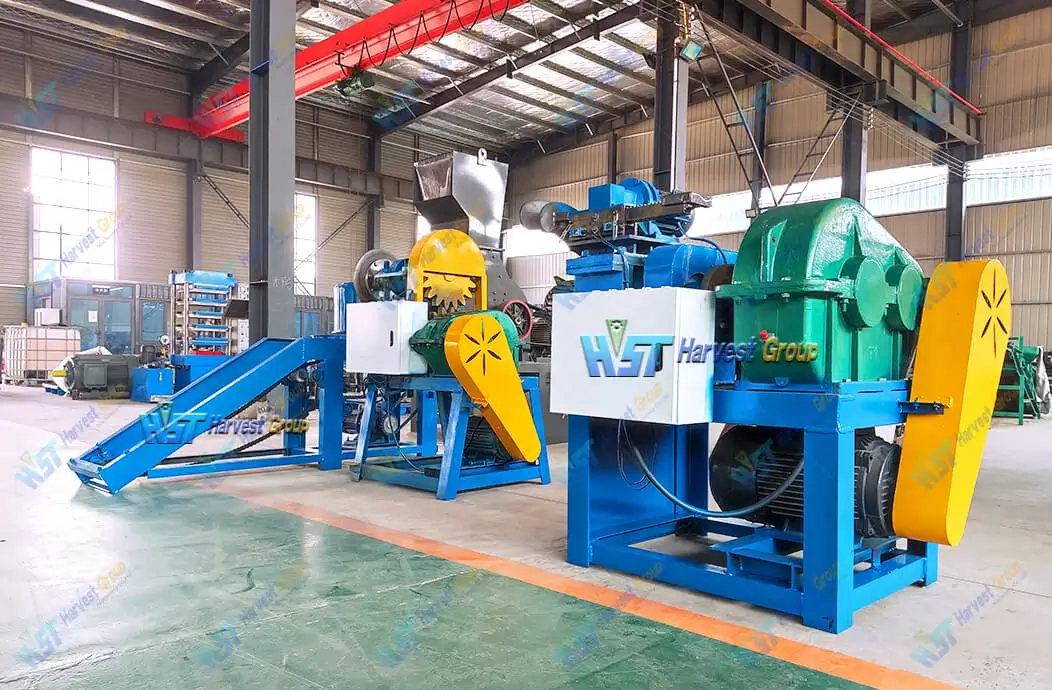
Currently, two primary methods exist for steel belt removal. One is manual removal, where tools are used to strip the belts from tires by hand. This method suits small-scale, low-volume tire processing but has significant drawbacks—it is time-consuming, labor-intensive, inefficient, and cannot guarantee thorough removal, especially for tightly adhered belts. The other involves industrial equipment such as tire rasper machines and tire steel wire separators for efficient processing.
The tire rasper uses high-speed rotating serrated blades to coarsely shred waste tires into 5-10 cm rubber chunks while initially severing the intertwined steel wires, loosening their bond with the rubber. Equipped with wear-resistant alloy cutting discs and intelligent control systems, these machines automatically adjust rotational speed and cutting force based on tire specifications. A single unit can process 3-5 tons per hour, achieving over a hundredfold increase in efficiency compared to manual labor. The coarse rubber chunks then enter the tire steel wire separator. This machine employs dual principles of magnetic separation and mechanical separation. Its built-in high-intensity magnetic rollers instantly attract and separate over 98% of the steel wires. The remaining rubber fragments undergo further purification through a vibrating screen, ultimately producing shredded rubber cover material that meets purity standards. Industrial equipment not only significantly boosts processing efficiency but also reduces safety risks associated with manual operations, making it particularly suitable for large-scale scrap tire processing enterprises. This represents the current mainstream and highly efficient method for steel belt removal. Premium rubber cover manufacturers typically employ this equipment, which operates by using a strong magnetic field to attract steel belts from tires. Processing through this equipment not only rapidly removes steel belts but also ensures a removal rate of approximately 99.9%, resulting in rubber material that is essentially steel-free.
Beyond steel belt removal, this stage requires further purification of the rubber material to eliminate mud, fibers, and other impurities adhering to the tire surface. Methods such as high-pressure water jet washing and vibrating screening ensure the cleanliness of the rubber material, laying a solid foundation for the subsequent shredding process.
Rubber shredding is the core process in producing shredded rubber coverings, and the choice of shredding equipment directly impacts the final product quality. Specialized
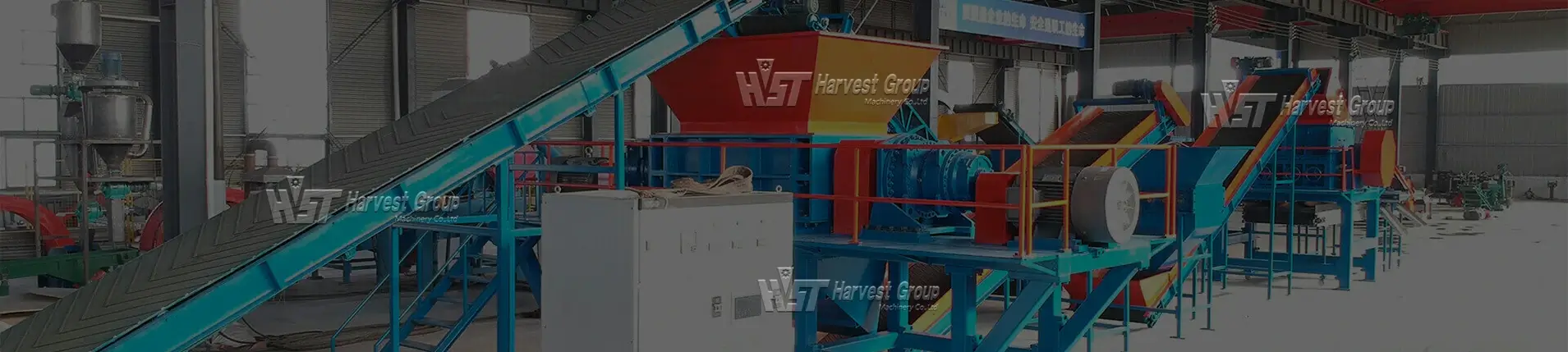
Industrial tire shredders, specifically engineered for rubber, are the key equipment for processing scrap tires. Their structure differs significantly from ordinary shredders. These machines typically feature dual-shaft or multi-shaft rotating blade systems. The blades, made of high-hardness alloy steel and treated with special heat processes, effectively cut through rubber’s tough fibers and steel cord. Taking the twin-shaft shredder as an example, blades arranged in an alternating pattern on two main shafts create a “scissor effect.” Through their interlocking rotational motion, tires are progressively broken down into 2-10 cm fragments. Additionally, some high-end models integrate steel wire separation modules. Utilizing magnetic separation or eddy current separation technology, these modules automatically extract steel wires embedded within the rubber during the shredding process. This enhances the purity of the rubber particles while preventing residual metal from affecting subsequent processing stages. Industrial tire shredders offer processing capacities ranging from 1 to 15 tons per hour, accommodating diverse recycling scales and providing efficient, stable pre-treatment for producing crumb rubber surfacing. These specialized machines differ significantly from general-purpose shredders, whose blade hardness and rotational speeds often fail to meet rubber shredding requirements, leading to incomplete shredding and rubber adhesion issues.
Professional rubber shredders typically feature robust shearing and grinding capabilities, allowing particle size adjustment based on requirements. For playground and landscaping rubber mulch, the ideal particle state is small nuggets, generally controlled between 1-6mm. This size facilitates easy installation, minimizes the risk of hidden steel belt residues, and delivers excellent shock-absorbent properties.
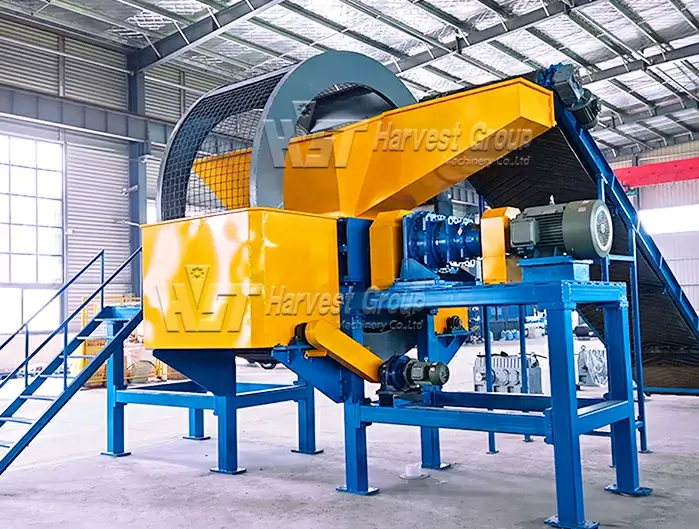
Strict quality control is essential throughout the tire crushing process. First, adjust the equipment’s rotational speed and blade spacing according to tire type and thickness to ensure uniform crushing of each batch. Second, assign dedicated personnel to monitor operations, promptly clearing any potential blockages within the equipment to prevent disruptions.
Post-crushing quality inspection Following crushing, conduct thorough quality checks. Use vibrating screens to sift the crushed rubber particles, removing any oversized pieces. These large fragments not only compromise the installation quality of the rubber surfacing but also pose tripping hazards during use—particularly in playground settings where they threaten children’s safety.
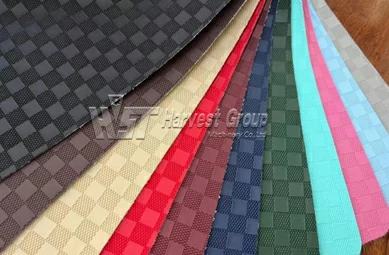
Black is the “natural” color of rubber mulch and the most fundamental option. However, to meet aesthetic demands across different settings, many manufacturers offer a wide range of color choices. Common colors include red, green, brown, and others. These hues not only blend better with the surrounding environment but also enhance the ambiance of specific settings. For instance, red rubber surfacing in playgrounds creates a lively, cheerful atmosphere, while green surfacing in landscaping harmonizes visually with vegetation.
Though optional, the coloring process must strictly adhere to technical requirements to ensure product safety and durability. First, only non-toxic, eco-friendly specialty coatings must be used. This is especially critical for playground surfaces or rubber coverings in contact with plants, where coating safety directly impacts children’s health and plant growth. Toxic coatings could harm humans and the environment through skin contact or rainwater leaching.
Second, to guarantee color longevity, reputable manufacturers employ color-lock systems. This system maintains the rubber surface’s color for over 10 years without fading, significantly reducing long-term maintenance costs and hassles. During the coloring process, spray or tumble methods are typically used to ensure even coating coverage on the rubber granules, preventing uneven coloration or spotting. After coloring, the rubber granules undergo preliminary inspection to confirm color compliance and absence of paint buildup.
The Importance of Drying Treatment
Drying treatment is a critical yet often overlooked step in the production of rubber coverings. If rubber coverings contain excessive moisture, they become highly susceptible to mold and mildew growth during subsequent storage and use. Particularly in humid outdoor environments, fungal growth not only compromises the appearance and lifespan of the covering but may also produce harmful substances that endanger user health. Therefore, it is imperative to ensure rubber coverings are completely dry before packaging.
Drying methods vary depending on production scale. For small batches, natural air-drying is suitable. Colored rubber granules are spread evenly in a well-ventilated, sunlit area, relying on natural airflow and sunlight for drying. This method is low-cost and simple to operate but is highly weather-dependent, requiring several days for drying. Regular turning of the granules is necessary to ensure uniform drying.
For large-scale industrial production, specialized industrial drying systems are employed. These systems control temperature, humidity, and airflow velocity to achieve rapid drying within a short timeframe. Industrial dryers not only enhance efficiency but also ensure consistent drying quality, unaffected by external weather conditions. During drying, operators monitor the moisture content of the rubber granules using specialized instruments to ensure compliance with relevant standards. Typically, moisture content must be below 5% before proceeding to the next packaging stage.
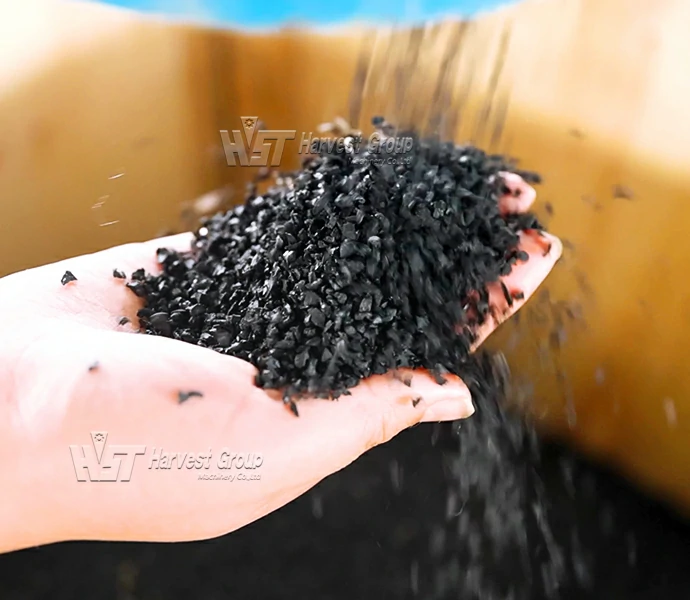
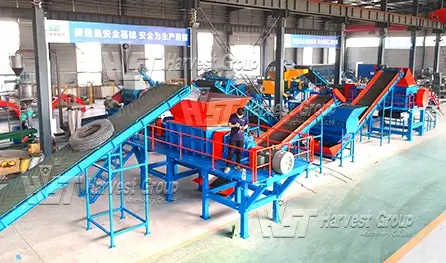
In industrial-grade rubber compound production, the waste tire recycling production line serves as a core facility bearing a critical mission. This line primarily produces two product streams: rubber granules and rubber powder. Though both originate from waste tires, they exhibit significant differences in particle size, production processes, and application domains.
Rubber granules typically range in size from 1-6mm. Their production involves multiple stages including tire cutting, crushing, and screening. By precisely controlling the parameters of crushing equipment and screen mesh sizes, granules meeting specific particle size requirements are obtained. These rubber granules are tough and highly elastic, making them an ideal raw material for crushed rubber surfacing. Once laid, shredded rubber mulch effectively suppresses weed growth, retains soil moisture, and provides safety protection for areas like children’s play zones and sports fields through its cushioning properties.
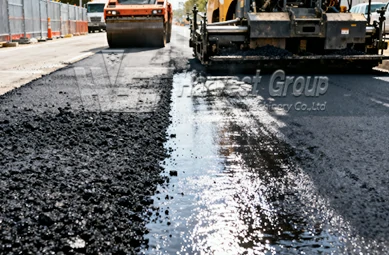
Rubber powder, however, features a finer particle size, typically ranging from 20 to 60 mesh. Compared to rubber granules, producing rubber powder requires more intricate grinding processes, often involving specialized equipment like grinding mills to further refine the crushed rubber. Owing to its finer particles and larger specific surface area, rubber powder boasts broader applications. It serves not only as a recycled raw material for rubber products, effectively reducing production costs, but also as a road paving material. It enhances the flexibility and abrasion resistance of asphalt surfaces, thereby extending road lifespan and improving driving comfort.
Based on automation levels, waste tire recycling production lines are categorized into semi-automatic and fully automatic types. Semi-automatic lines require manual assistance for tasks like loading and sorting, making them suitable for smaller-scale operations with limited budgets. Their advantages include lower equipment investment costs and greater flexibility to adjust production processes as needed. Disadvantages include relatively lower production efficiency, higher labor costs, and product quality stability more susceptible to human factors.
Fully automatic production lines achieve end-to-end automation from tire feeding, steel belt removal, shredding, drying, to packaging, requiring only a small number of staff for equipment monitoring and maintenance. This type suits large-scale, continuous production demands, offering high efficiency, stable product quality, and lower labor costs. However, fully automatic lines entail higher equipment investment costs and demand greater technical proficiency from operators, necessitating specialized personnel for equipment commissioning, maintenance, and troubleshooting.

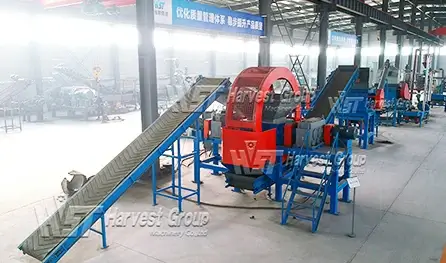
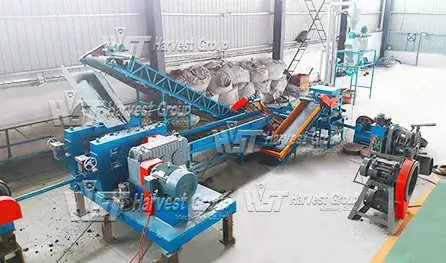
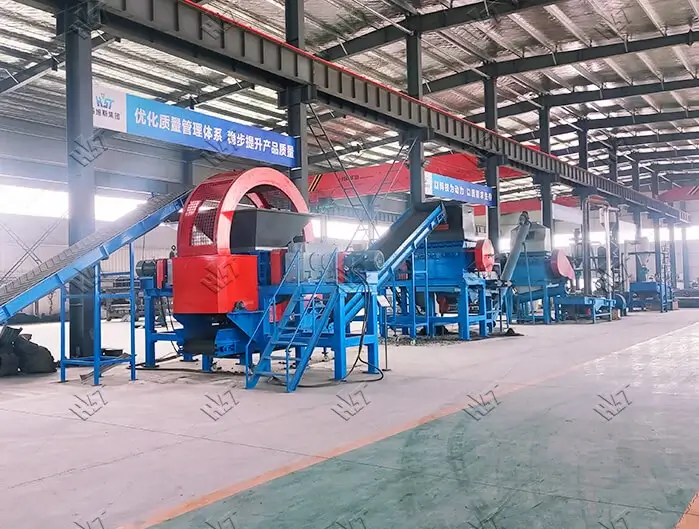
The core equipment for rubber granule production lines includes tire shredders, wire separators, rubber granulators, vibrating screen separators, and fiber extraction magnetic systems.
The tire shredder serves as the initial equipment in the production line, primarily crushing whole scrap tires into smaller rubber chunks to prepare for subsequent steel belt removal and refinement. The wire separator utilizes magnetic principles to extract steel belts from the rubber chunks, ensuring no steel residues remain in the rubber material for further processing. The rubber pelletizer further processes the steel-belt-free rubber chunks, grinding them into uniformly sized rubber pellets. The vibrating screen separator sifts the finished pellets, removing oversized or undersized particles to ensure compliance with product size specifications. The fiber extraction magnetic system removes any residual fiber impurities from the rubber pellets, further enhancing product purity.
The entire rubber pellet production process follows the principle of shearing + crushing + vibration screening. Through the coordinated operation of each piece of equipment, high-quality rubber pellet products are ultimately produced.
Unlike rubber granule production lines, the core equipment for rubber powder production includes conveyors, glue breakers, grinding machines, multi-stage screening equipment, and dust removal systems.
Conveyors primarily transport scrap tires or pre-processed rubber raw materials to various equipment, enabling continuous production flow. Glue breakers perform preliminary crushing of rubber raw materials, disrupting their elastic structure to prepare for subsequent grinding. Grinding machines are the core equipment for rubber powder production. They finely grind the rubber material using high-speed rotating grinding components, processing it into a fine powder. Multi-stage screening equipment is used to classify and screen the ground rubber powder, separating it into different specifications based on particle size requirements. Dust removal systems are indispensable throughout the production process. Their role is to collect rubber dust generated during production, preventing environmental pollution while safeguarding the health of operators.
The rubber powder production process primarily follows the principle of grinding + multi-stage purification. Through multiple stages of precise processing, rubber powder products meeting diverse application requirements are produced.
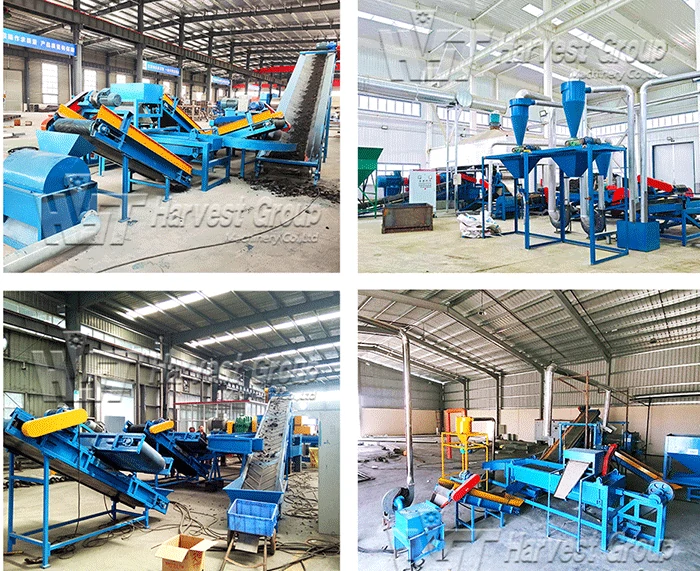
Industrial-grade waste tire recycling equipment offers numerous advantages. First, it operates at room temperature. This approach eliminates the need for high-temperature heating, significantly reducing energy consumption and production costs. It also prevents high temperatures from degrading the properties of the rubber raw material, ensuring consistent quality in the final product.
Second, the equipment features a rational and compact layout design. Within limited factory space, it enables efficient arrangement of all equipment, minimizing footprint and maximizing space utilization. This is particularly beneficial for enterprises facing land scarcity and high factory rental costs, effectively lowering operational expenses.
Additionally, industrial-grade equipment offers labor-saving and high-efficiency features. Fully or semi-automated operation modes substantially reduce reliance on manual labor, lowering personnel costs. Simultaneously, the equipment boasts exceptional production efficiency. A fully automated production line can process large volumes of scrap tires daily, meeting large-scale production demands and delivering substantial economic benefits to enterprises.