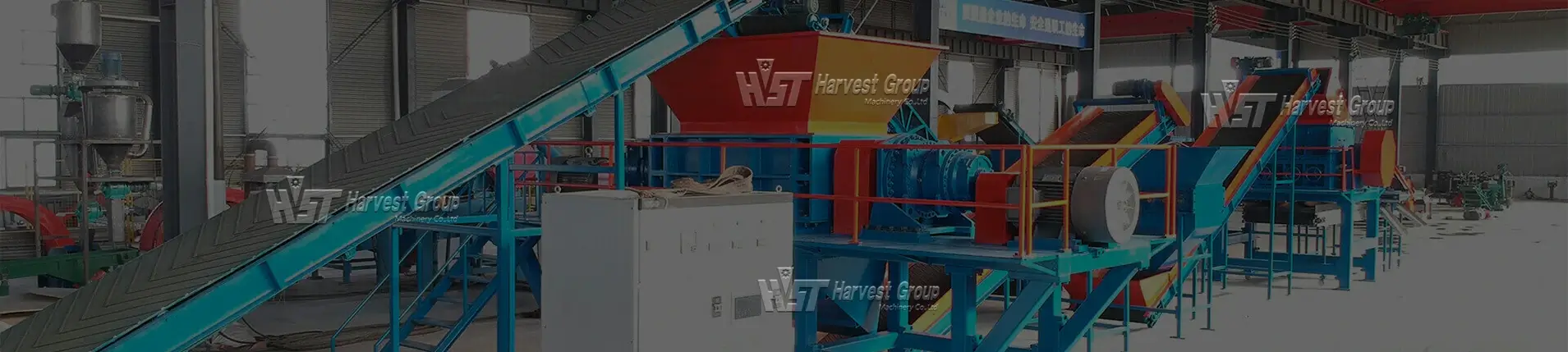
Tire recycling plays a crucial role in waste management and environmental protection. While the rubber part of tires is often repurposed into valuable products—such as crumb rubber, fuel, and mulch—tire wire, the steel mesh embedded in the tire, poses a significant challenge in the recycling process. Modern systems like our tire recycling lines and waste tire recycling machines are designed to efficiently separate rubber, fibers, and steel for maximum material recovery.
Tire wire refers to the steel or wire mesh embedded within the tire to give it structural integrity and durability. This steel wire helps the tire withstand pressure, wear, and deformation. Once the tire reaches the end of its life cycle, the steel wire must be separated from the rubber for recycling.
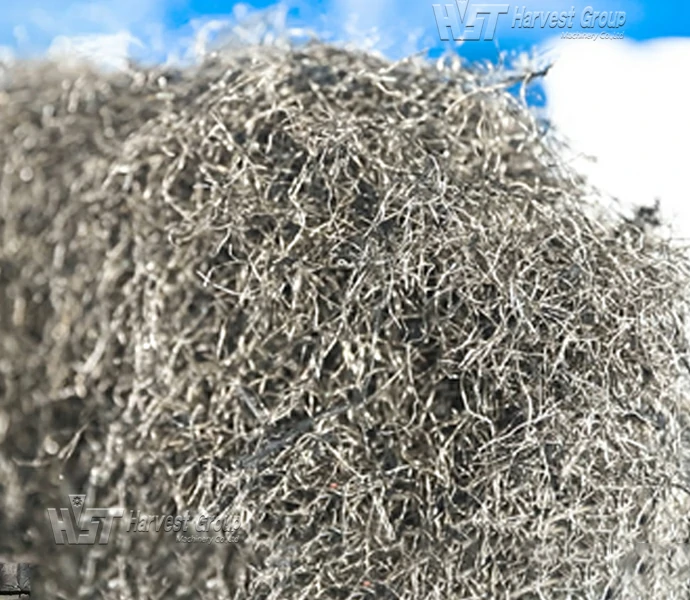
During tire recycling, rubber is shredded and separated from the metal components. The extraction of tire wire is a crucial step to ensure clean rubber output and prepare the steel for industrial reuse.
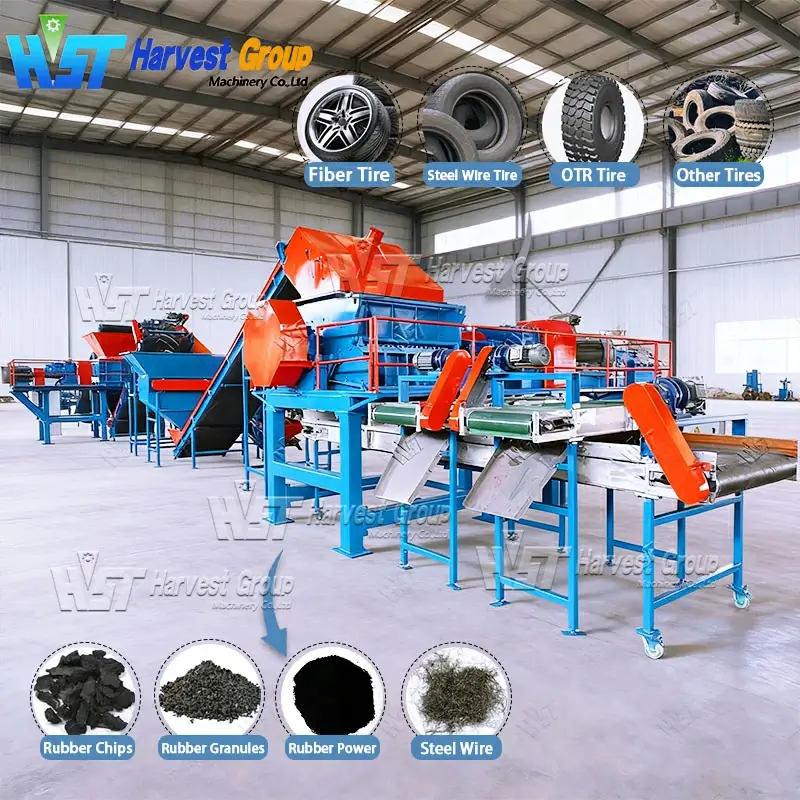
The separation of tire wire from rubber involves several methods, often combined to achieve higher purity and efficiency.
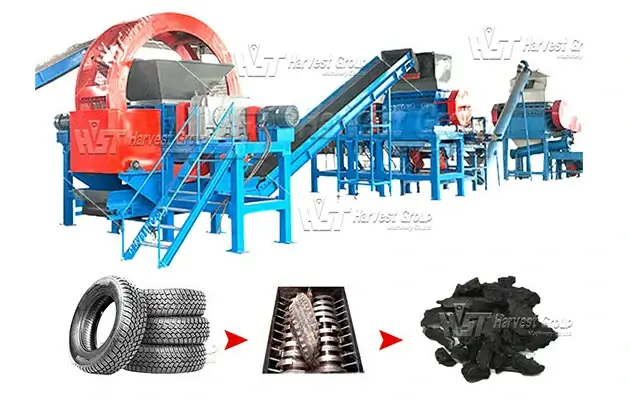
Mechanical separation is the first step in wire extraction. Specialized cutting equipment breaks tires into 3–5 cm rubber blocks using machines such as our tire cutting machines, standard tire cutters, and OTR tyre cutting machines. These blocks then enter further processing units for grinding and fine wire removal.
Since steel is magnetic, powerful magnets extract over 80% of the tire wire from the shredded rubber. Magnetic separation remains one of the most efficient steps in wire recovery.
Air separation uses airflow to carry away lighter particles such as rubber powder and fibers, while heavier steel wire settles. This step improves wire purity and reduces cleaning difficulty.
Extracted tire wire needs further cleaning, protection, and processing before entering the scrap steel market.
Wire is extracted early in the recycling process to prevent wear damage to downstream machines. Systems like our tire crushing line, tyre rasper machines, tire granulators, and tire millers further break down rubber while removing fine steel wire.
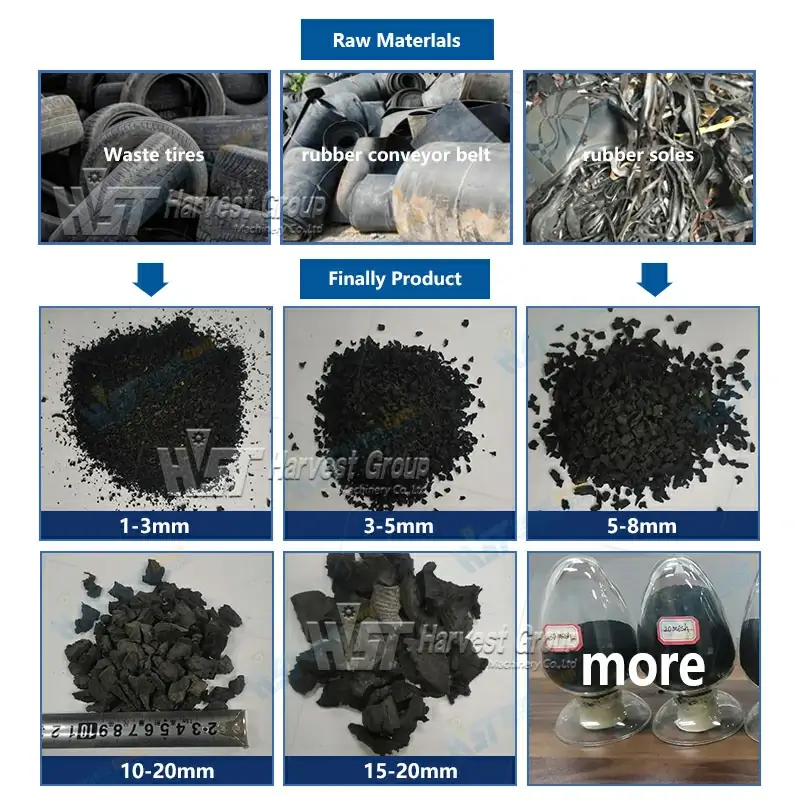
Tire wire generally contains 3%–25% rubber and fiber contamination. Shearing and pressing equipment helps remove impurities. Cleaned wire pairs well with high-value rubber outputs such as rubber mulch, rubber crumb, and rubber powder, increasing total plant profitability.
Because tire wire has a large exposed surface area, it rusts easily when stored improperly. Keeping wire in dry and sealed areas is essential for maintaining resale value.
Wire is often baled into dense 2-ton packages to minimize transport costs. Some buyers prefer loose steel wire for easier inspection of contamination levels.
Direct to Steel Mills: Some recyclers establish supply agreements with local steel mills that purchase wire based on purity. This is suitable for facilities without purification machines.
Broker Sales: Many recyclers sell wire through global brokers, commonly exporting to the U.S., China, Turkey, and Taiwan.
Direct Sales after Purification: Large-scale recyclers with cleaning systems often sell high-purity wire at higher prices, benefiting from both steel and rubber output.
The price of recycled tire wire varies widely—from $35 to $325 per ton—depending on purity, global steel demand, storage condition, and logistics. Recyclers producing TDF and other products through TDF tire recycling lines often combine steel wire sales with rubber fuel production.
Global Steel Demand: Pricing fluctuates with the economic cycle and construction activity.
Purity of the Steel: Higher purity steel wire brings significantly higher resale value.
Storage and Condition: Rust-free, well-packed wire retains peak value.
International Trade and Logistics: Proximity to ports can reduce shipping costs and improve competitiveness.
Recycled tire wire is highly versatile and can be used across several industries.
After melting, tire wire becomes a resource for producing steel bars, automotive parts, and household appliances. Recycled steel reduces energy consumption and environmental impact compared to virgin steel.
Tire wire strengthens concrete and asphalt, offering enhanced tensile resistance for infrastructure such as bridges, highways, and industrial foundations.
The high tensile strength of tire wire makes it suitable for wire mesh, springs, reinforcement cables, and other industrial applications.
Tire wire is also used in creative applications such as recycled metal artwork or sustainable household items.
Recycling tire wire contributes both economic returns and environmental protection.
Recyclers gain an additional profit source, especially when operating systems like our tire recycling solutions that integrate steel and rubber recovery.
Recycling steel wire reduces mining resource consumption, lowers carbon emissions, and diverts waste from landfills.
Tire wire is a valuable material within the tire recycling chain. By applying proper separation, purification, and storage techniques, recyclers can turn tire wire into high-value steel for use across multiple industries. For customized solutions or full-scale recycling plant design, visit our case studies, contact our team, or explore HVST Recycling and About Us.