Every year, millions of waste tires reach the end of their service life worldwide. Built for durability, heat resistance, and safety, tires are also one of the most challenging solid wastes to manage responsibly. When left unmanaged, waste tires accumulate rapidly, creating long-term environmental, safety, and regulatory risks.
Tire shredding has emerged as a practical and scalable solution. By reducing whole tires into controlled, recyclable sizes, shredding enables material recovery, improves waste handling efficiency, and significantly lowers pollution risks. This article explores how tire shredding helps reduce waste and environmental impact while supporting sustainable recycling systems.
Tires degrade extremely slowly in natural environments, often taking decades or longer to break down. Improper disposal methods such as landfilling, illegal dumping, or open storage expose communities to ongoing environmental and public health hazards.
Large tire stockpiles occupy valuable land, create persistent fire risks, and collect standing water that attracts pests. Over time, chemical additives and trace metals may leach into soil and groundwater, threatening ecosystems and surrounding populations.
Industrial tire shredding provides a controlled alternative. By converting waste tires into standardized recyclable material, shredding reduces uncontrolled disposal, conserves land resources, and turns environmental liabilities into reusable industrial feedstock.
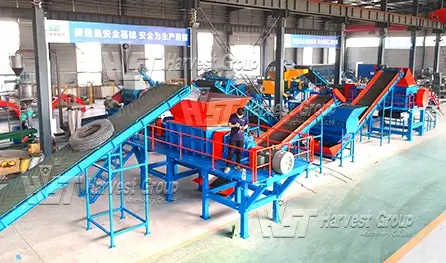
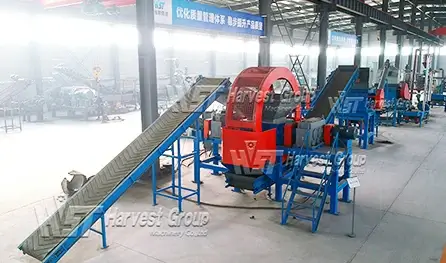
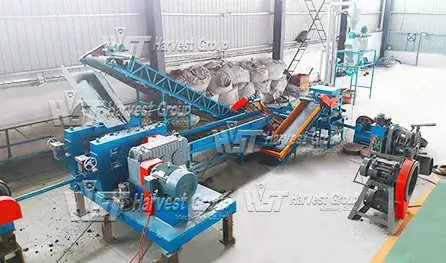
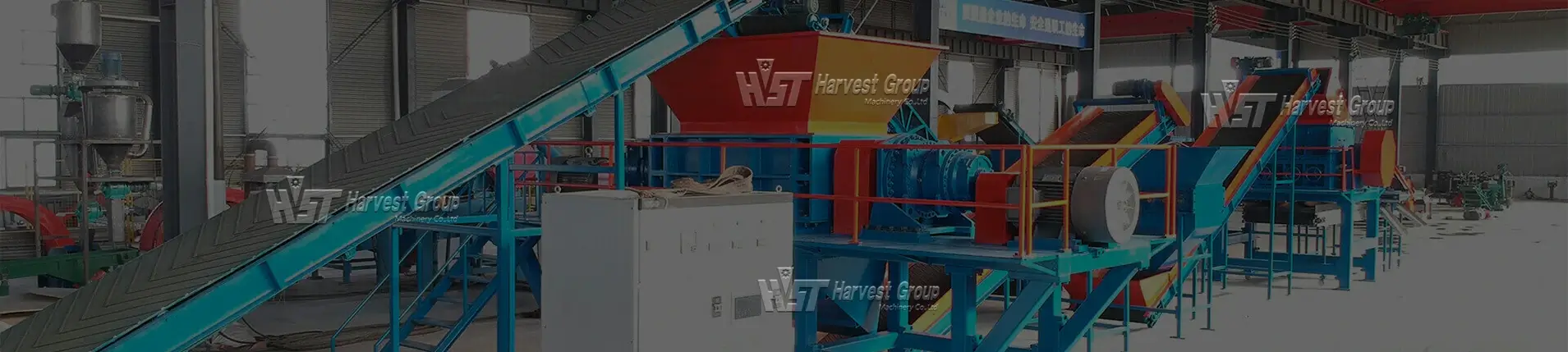
Tire shredding is a mechanical size-reduction process that breaks whole tires into chips, strips, or rubber chunks suitable for downstream recycling. The objective is not disposal, but preparation for efficient separation and reuse.
Once shredded, tires can be processed to recover rubber, steel, and fiber. This enables the production of crumb rubber, rubber powder, and tire-derived fuel, while improving handling, storage, and transport efficiency throughout the recycling chain.
Whole tires are bulky and difficult to compact, placing strain on landfill capacity. Trapped gases can cause tires to shift or surface over time, damaging landfill structures and drainage systems.
When exposed to weather, tires may release harmful substances into soil and groundwater. Tire fires, whether accidental or caused by improper storage, release dense smoke and toxic compounds, creating severe air pollution and long-term environmental damage.
Unmanaged tire piles also pose public health risks. Standing water inside tires provides ideal breeding conditions for mosquitoes, while tire stacks offer shelter for rodents and other pests.
Shredding reduces tire volume by up to 70–80 percent. Smaller material sizes lower transportation emissions, reduce storage requirements, and ease pressure on landfills.
Once shredded, tires are no longer treated as waste but as recyclable raw material. This allows them to be diverted into reuse and recovery streams, significantly reducing landfill dependency and disposal costs.
Centralized shredding operations also help eliminate scattered dumping and roadside tire accumulation, addressing “black pollution” at its source.
Shredded tire material is more stable and easier to manage than whole tires. It reduces the risk of gas buildup, uncontrolled combustion, and long-term environmental exposure.
Modern shredding systems are typically equipped with dust collection and enclosed conveying, helping control emissions during processing. Cleaner operations protect workers, improve site conditions, and support environmental compliance.
By replacing uncontrolled disposal with regulated recycling, tire shredding plays a key role in pollution prevention.
Advanced shredding and separation systems allow rubber, steel, and fiber to be recovered efficiently. High-purity rubber can be reused in flooring, sports surfaces, waterproofing materials, and asphalt modification.
Recovered steel re-enters the metal recycling stream, reducing the need for virgin raw material extraction. These processes support a circular economy model, where materials remain in use rather than being discarded.
Shredded tires can be used to produce tire-derived fuel for cement kilns and industrial energy systems. When used in compliant facilities, this approach helps reduce reliance on traditional fossil fuels.
Pre-shredded tires also improve feeding stability in thermal conversion processes, supporting the controlled production of energy and recoverable byproducts.
Tire shredding transforms a growing waste challenge into a structured recycling opportunity. By reducing volume, preventing pollution, and enabling material recovery, shredding supports cleaner waste management and responsible industrial reuse.
As environmental regulations tighten and demand for recycled materials increases, tire shredding will remain a core technology in sustainable recycling systems—allowing waste tires to move from environmental burden to valuable industrial resource.