Every year, more than one billion tires reach the end of their service life worldwide—and the volume continues to rise by 8–10% annually. China now generates more than 300 million waste tires per year, while the United States produces another 250–300 million.
Tires are engineered for durability and safety, but once retired they become one of the most difficult solid wastes to manage: they do not decompose, are hard to incinerate safely, take up large storage volume and may pollute soil and water over time.
Under global trends such as carbon neutrality, circular economy and ESG investment, tire recycling is no longer just an environmental requirement—it is a strategic issue that influences environmental performance, industrial competitiveness and long-term sustainability.
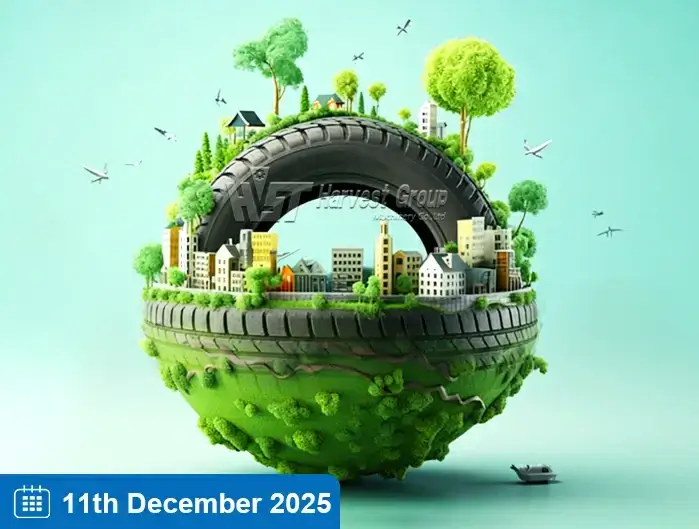
Tires consist of synthetic and natural rubber, carbon black, steel wire, fiber reinforcement and various additives. These materials provide strength—but also make tires extremely difficult to degrade. A single tire can take more than 500 years to fully break down.
Globally, only around half of waste tires are recycled. The rest are landfilled, stockpiled or dumped illegally, wasting valuable rubber and steel while creating an ever-growing disposal burden.
When waste tires lack regulated recycling routes, multiple hazards arise:
Landfill overload: Tires’ hollow structure causes them to float, damaging liners and allowing leachate to escape into soil and groundwater.
Open stockpile hazards: Large tire piles pose fire risks and gradually release harmful substances.
Illegal dumping: Waste tires dumped along highways, rivers and vacant land degrade city image and require enormous cleanup costs.
Tire stockpile fires can burn for weeks or months, releasing toxic smoke containing benzene, cyanide and sulfur oxides. High heat produces oily runoff that contaminates soil and waterways. Firefighting water often creates secondary pollution.
Compared with costly emergency cleanup, systematic recycling prevents these risks at the source.
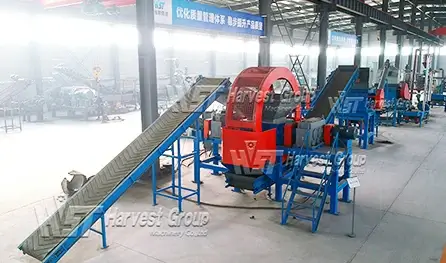
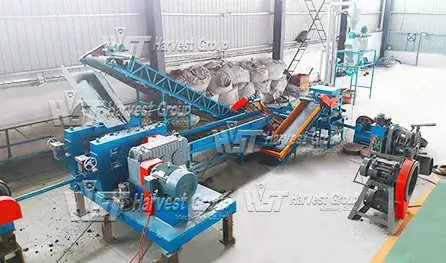
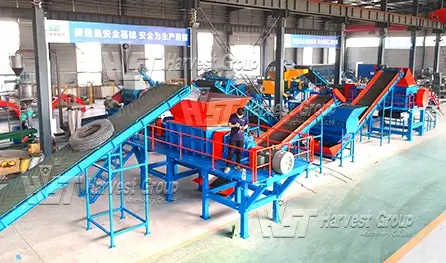
A complete tire recycling system includes collection, bead cutting, shredding, steel and fiber separation and final screening. This process transforms bulky waste tires into TDF, rubber granules, powder, recycled steel and usable fibers.
Countries with mature recycling systems have reduced billions of waste tires from disposal sites, greatly improving solid waste management efficiency.
Abandoned tires can leach over 200 pollutants into groundwater. Controlled recycling—supported by dust filtration and wastewater treatment—prevents these contaminants from entering natural ecosystems.
Tire recycling reduces carbon emissions through:
Material substitution: Reclaimed rubber saves 70–85% of the energy required for virgin rubber production.
Steel recovery: Recovered steel significantly reduces the emissions of producing new steel.
Energy recovery: TDF provides a lower-carbon alternative to coal and heavy oil in cement kilns and industrial furnaces.
Methane reduction: Preventing landfill disposal stops tires from producing methane, a potent greenhouse gas.
Tires collect rainwater and become breeding grounds for mosquitoes carrying dengue or malaria. Recycling removes these habitats, reducing disease risk in communities.
The tire recycling value chain covers logistics, processing, equipment manufacturing and downstream product development. Every 10,000 tons of waste tires processed can generate dozens of stable jobs, supporting regional economic development.
Recycling can produce:
Tire-Derived Fuel (TDF): A high-energy fuel for cement plants, power plants and pulp mills.
Rubber granules and powder: Used in sports fields, playgrounds, roads, industrial products and insulation materials.
Recovered steel and fibers: Steel returns to foundries, while fibers serve as fillers, insulation or construction reinforcement.
The global tire recycling market already exceeds tens of billions of US dollars and continues to grow rapidly.
A regulated tire recycling ecosystem drastically reduces the cost of cleaning illegal dumps, handling fire disasters and remediating polluted sites.
Responsible tire management and the use of recycled materials help manufacturers and large buyers achieve ESG goals, comply with regulations and attract investment.
Tire recycling enables rubber, steel and other materials to be used repeatedly, maximizing resource efficiency and reducing dependence on fossil fuels.
Improves durability, skid resistance and road noise performance.
Used in artificial turf infill, running tracks and gym flooring.
Rubber mulch is long-lasting, color-stable and pest-resistant.
Tire-Derived Aggregate (TDA) is used for lightweight backfill, drainage layers and slope stabilization.
Including mats, anti-vibration blocks, tiles, insulation and weights.
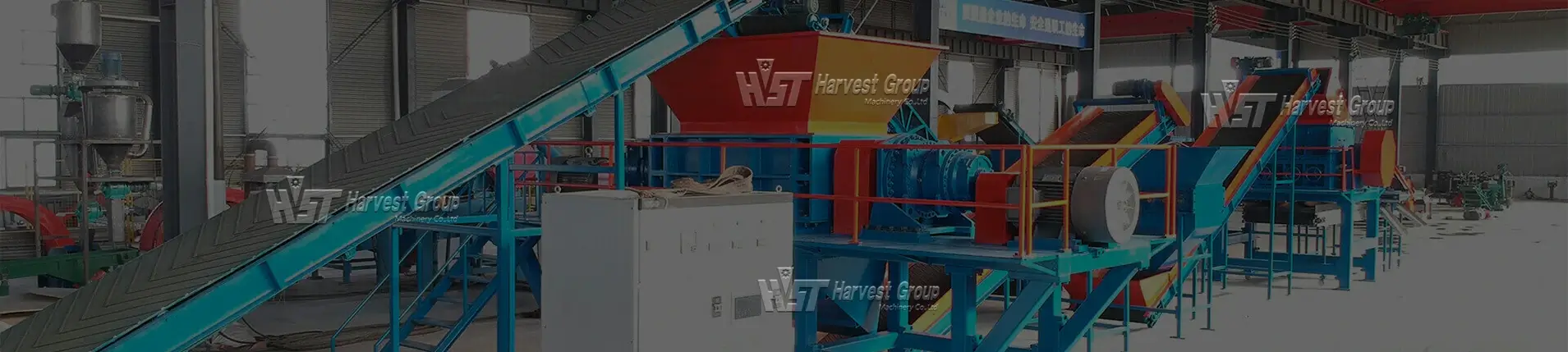
A modern recycling line includes pre-shredding, secondary shredding, granulation, separation and screening.
Breaks sulfur cross-links to create reprocessable rubber that can re-enter new product formulations.
Converts waste tires into pyrolysis oil, recovered carbon black (rCB), combustible gas and steel. Advanced systems achieve high resource recovery and low emissions.
AI recognition improves sorting accuracy. Digital monitoring systems stabilize product quality and optimize logistics.
Strong TDF and rubber granule markets, with many states banning tire landfilling.
High recycling rate driven by strict policies, focus on high-value products and advanced pyrolysis.
Rapid growth in waste tire volumes, with governments upgrading recycling technology and adopting EPR systems.
Growing demand for TDF and mid-scale recycling solutions, driven by cement and energy sectors.

Reduced environmental risk, improved public health and increased employment.
Lower material costs, reduced carbon footprint and stronger supply chain sustainability.
Lower fuel costs through TDF and improved compliance with emissions standards.
A promising sector combining environmental value with strong profitability potential.
Study local waste tire types, volumes and market demand for TDF, granules, powder or rCB.
Choose between mechanical recycling, fine-powder systems or combined pyrolysis solutions.
Implement dust, odor, noise, wastewater and emissions control.
Professional engineering support reduces risk and accelerates project rollout.
Waste tires have shifted from being a chronic environmental burden to becoming a valuable renewable resource. Tire recycling reduces pollution, lowers carbon emissions, creates jobs, stimulates new industries and supports national sustainability goals.
With ongoing technological innovation and stronger environmental policies worldwide, tire recycling will continue to redefine global resource management and create long-term economic and environmental value.