How Does a Tire Shredder Work? From Whole Tires to Rubber Chips
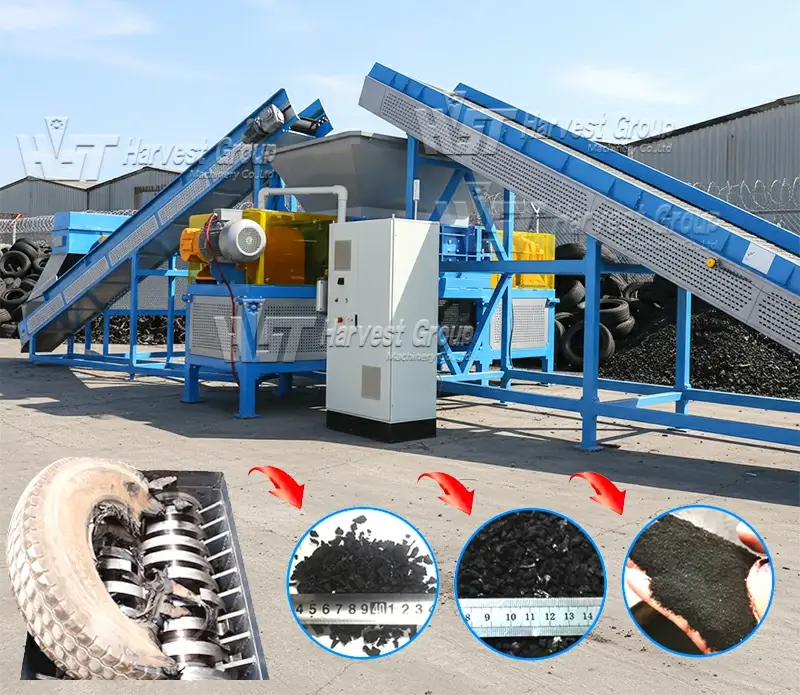
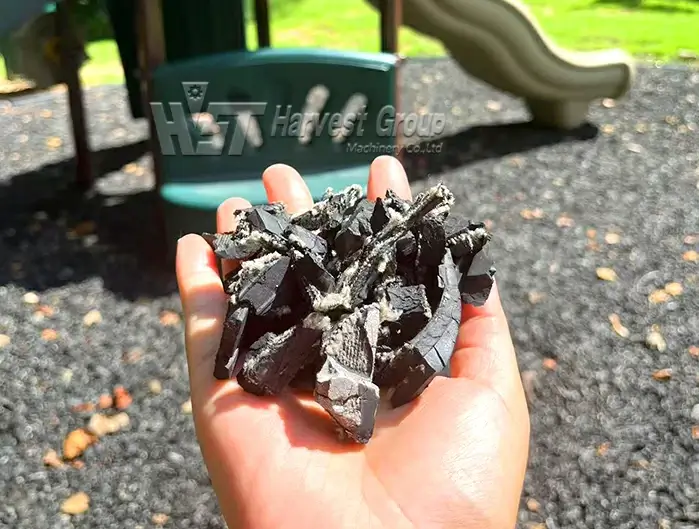
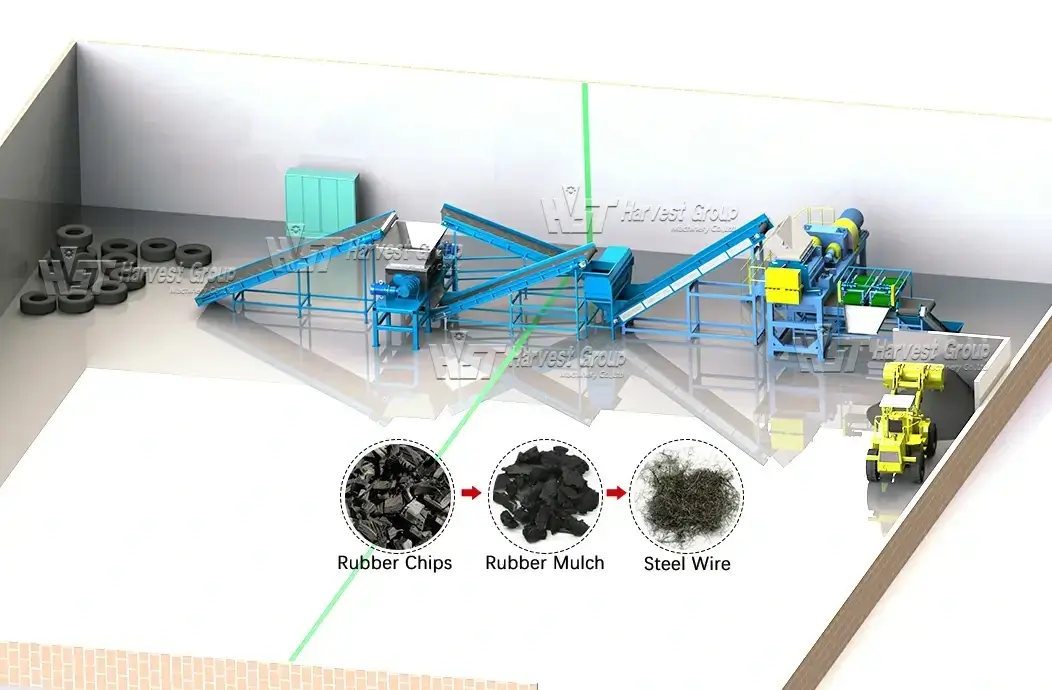
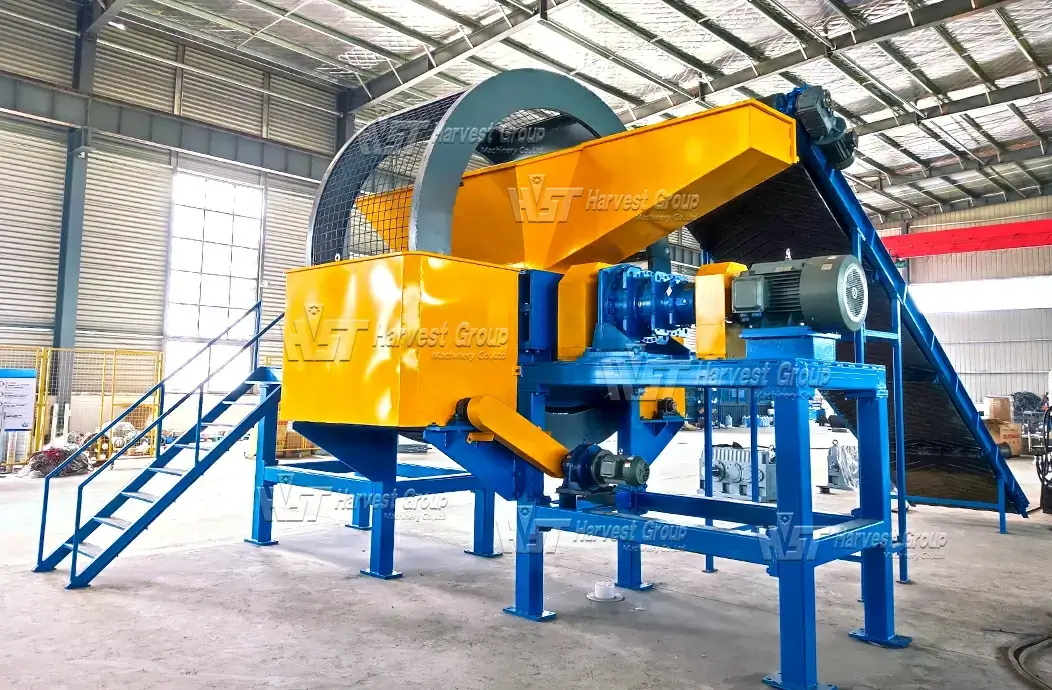
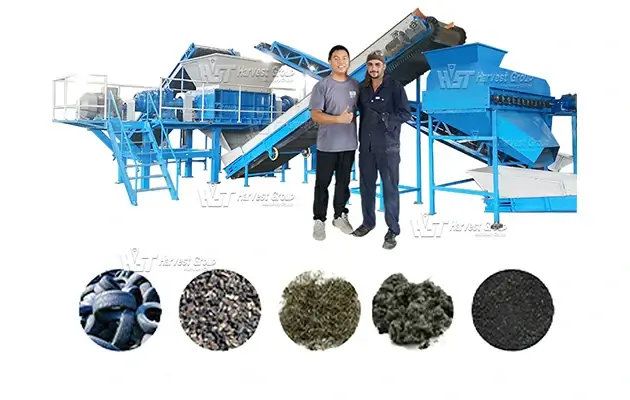
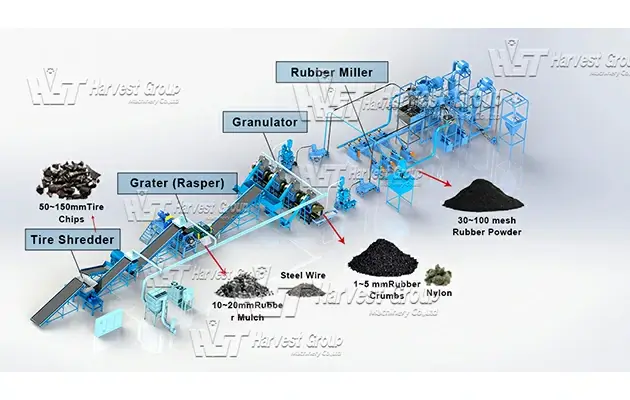
A practical explanation of tire feeding, low-speed cutting, overload control, screening, steel liberation and downstream processing. A tire shredder reduces whole tires by pulling them between slow-turning cutter shafts. The electric motors and gear reducers lower the shaft speed and increase torque, while hooked alloy-steel cutters grip the tire and force it into the cutting chamber. Rubber, textile reinforcement, steel belts and bead wire are compressed, stretched and sheared as the shafts turn. The first pass normally produces irregular tire strips or chips rather than finished crumb rubber. Primary tire chips are often within a broad range of about 50–150 mm, but the actual result depends on the tire type, cutter arrangement and discharge system. When a project requires a narrower size distribution, oversized pieces must be screened and returned for another pass. A complete system may then use a rasper, magnetic separation, fiber separation and granulation to make TDF, wire-free mulch, crumb rubber or fine powder. Table of Contents What a Tire Shredder Does How a Tire Shredder Works Step by Step What Happens Inside the Cutting Chamber How Tire Chip Size Is Controlled Passenger, Truck and OTR Tire Feeding Shredder, Rasper and Granulator Differences How the Shredder Connects...
Read More