Every year, hundreds of millions of tires reach the end of their service life. Because tire rubber does not biodegrade, uncontrolled landfilling and open dumping can occupy valuable land, create mosquito breeding grounds, increase fire risks and cause long-term soil and groundwater pollution.
At the same time, energy-intensive industries such as cement plants, power stations and pulp & paper mills still rely heavily on coal and heavy fuel oil, facing rising fuel costs and growing pressure to cut CO₂ emissions.
Tire-derived fuel (TDF) offers a practical way to turn this waste stream into a high-energy industrial fuel. With mature technology and proven applications, it has become a scalable solution for both tire recycling and alternative fuel projects. This guide explains what TDF is, how it is produced from scrap tires, where it is used and what investors and plant operators should consider when planning a TDF production line.
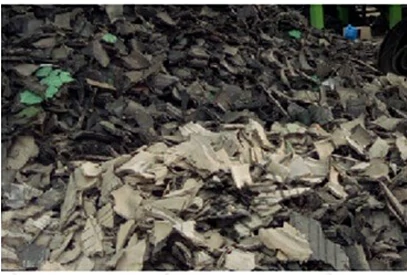
Tire-derived fuel is a solid fuel manufactured from end-of-life tires. Scrap tires are mechanically shredded, screened and separated to produce a fuel that can be burned in industrial boilers, kilns and furnaces. In essence, TDF is an alternative industrial fuel made from waste tires, designed to replace part of coal, petroleum coke or other fossil fuels.
In many markets, TDF produced from properly managed scrap tires is treated as a legitimate non-hazardous secondary fuel rather than a waste, making it a compliant and sustainable choice for energy-intensive facilities.
Depending on combustion technology and handling systems, tire-derived fuel can be supplied in several forms:
• Whole tires – used by some large rotary cement kilns.
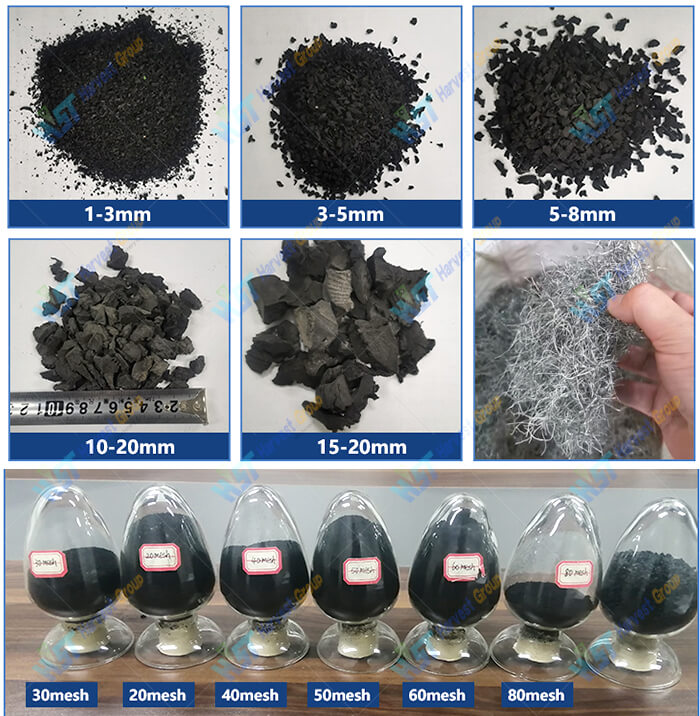
• Tire shreds (50–150 mm) – coarse primary shreds for certain boilers.
• TDF chips (25–50 mm) – the most common size, similar to coal or wood chips.
• Fine, wire-free TDF blends – used in systems requiring high fuel purity.
Scrap tires consist of natural and synthetic rubber, carbon black, oils, fibres and steel, giving them naturally high heating value:
• TDF: 30–33 MJ/kg
• Coal: 24–27 MJ/kg
• Wood/biomass: 10–12 MJ/kg
Because TDF contains more energy per unit, less fuel is required to produce the same heat, reducing transportation and storage needs.
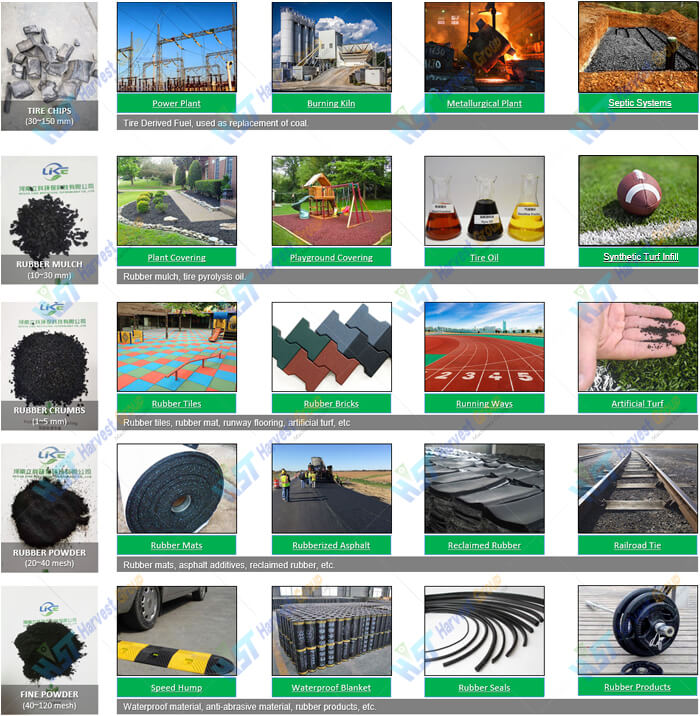
TDF provides major advantages for cement producers, paper mills, power plants and steel mills:
• Lower cost per unit of energy
• One tonne of TDF can replace 1.3–1.5 tonnes of coal
• Scrap tires offer a stable, predictable local supply
• Recyclers may receive both fuel income and tire tipping fees
• Low moisture and consistent heating value improve combustion efficiency
• Lower CO₂, NOₓ and SO₂ emissions per unit of energy
• Reduced bottom ash and no mercury
• Helps industries meet ESG goals and reduce landfill waste
Environmental agencies in many countries allow and even encourage TDF use when:
• Scrap tire sourcing is legal and documented
• Processing meets size and quality standards
• Emission controls ensure compliance
Cement production is the largest user of TDF because rotary kilns offer:
• Extremely high temperatures (1,400–1,600 °C)
• Long residence time for complete combustion
• An alkaline atmosphere that neutralizes acid gases
Ash and tire steel become part of the clinker, eliminating additional waste.
Co-firing TDF helps:
• Stabilize boiler flame
• Offset wet, low-BTU biomass
• Reduce total fuel costs
• Coal-fired boilers co-fire TDF to improve efficiency
• Industrial boilers use de-wired TDF chips (up to 50 × 50 mm)
• TDF reduces sulphur emissions and ash formation
• Steel mills use TDF in process furnaces
• Dedicated TDF power plants generate electricity for the grid
Scrap tires are sourced from tire shops, repair garages, fleets, rental companies and municipal facilities. Before processing, tires undergo:
• Removal of rims and contaminants
• Sorting by tire type
• Cutting oversized OTR tires
A low-speed, high-torque shredder reduces whole tires to 150–300 mm pieces while breaking the structure to release embedded steel.
Coarse shreds enter a secondary shredder or chipper, producing uniform TDF chips.
Wire content, particle size and screening ensure fuel meets customer requirements.
• Cement kilns accept some steel content
• Boilers may require low-wire or wire-free TDF
• Magnetic separators remove liberated steel, which is sold as scrap
• Air systems reduce fibres and dust
Producers routinely test for:
• Size distribution
• Residual steel
• Moisture (naturally low)
• Heating value, sulphur, ash

• Simple process
• Lower investment
• High-volume industrial demand
• Ideal entry point for recycling operators
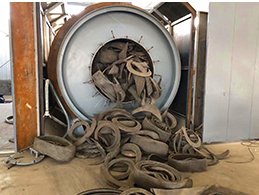
• Tires heated at 450–700 °C in oxygen-free conditions
• Produces liquid fuel oil, non-condensable gas and carbon black
• Higher value but requires stricter controls and higher capital
| Aspect | Tire-Derived Fuel (TDF) | Rubber Mulch |
|---|---|---|
| Main application | Industrial fuel for cement kilns, boilers and power plants | Landscaping, playground surfacing, safety cushioning |
| Purity requirements | Moderate; some steel and minor contaminants may be acceptable | Very high; virtually no exposed steel, fibre or sharp contaminants |
| Business model | High-volume product driven by scale and long-term contracts | Higher unit price but smaller, more seasonal markets |
| Aspect | Tire-Derived Fuel (TDF) | Crumb Rubber / Rubber Powder |
|---|---|---|
| Process complexity | Lower: mainly two-stage shredding and basic separation | Higher: multi-stage grinding, fibre separation and fine screening |
| Energy consumption | Relatively low | Significantly higher |
| End uses | Combustion in industrial kilns and boilers | Sports fields, running tracks, moulded products, asphalt modification |
| Market characteristics | Stable demand, clear fuel specifications | Higher added value but stricter quality and market development needs |
• CO₂, NOₓ and SO₂ emissions can match or beat coal
• Bag filters and ESPs manage particulate emissions
• High kiln temperatures destroy organic pollutants
• Metals bind into clinker or ash
• Low moisture and stable BTU value
• Does not produce leachate
• Low risk of self-ignition compared with fine powders
TDF safety depends on proper industrial combustion. In modern kilns and boilers, it is a cleaner, safer alternative to many fossil fuels.
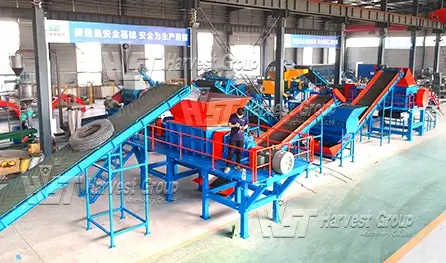
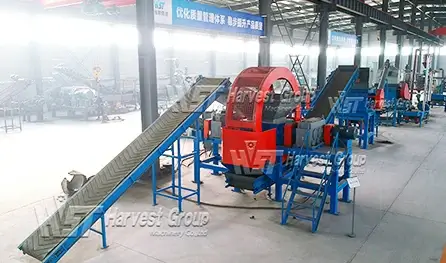
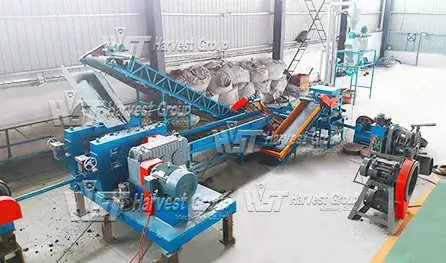
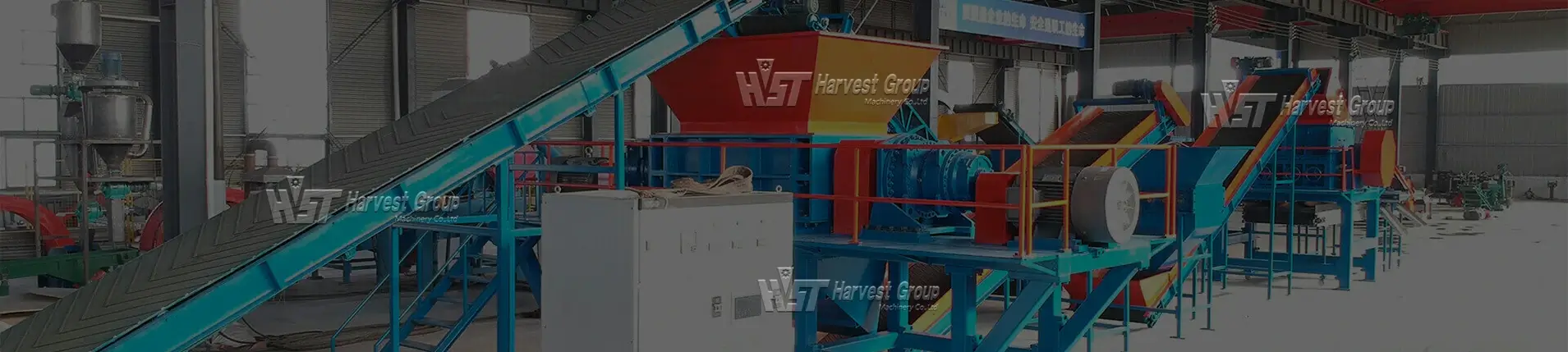
• Feeding & conveying systems
• Primary and secondary shredders
• Magnetic separators
• Air classifiers and screens
• Storage silos, balers and loading systems
• Electrical and dust control systems
Consider:
• Local scrap tire supply
• Nearby cement plants, power plants or mills
• Required chip size and steel content
• Export vs local market demand
Revenue streams include:
• TDF sales
• Tire disposal (tipping) fees
• Steel scrap sales
• Future expansion into crumb rubber or pyrolysis

Heating value vs coal: TDF has 30–33 MJ/kg; coal typically 24–27 MJ/kg.
Compatibility: Many kilns and boilers can co-fire TDF with minor adjustments.
Steel removal: Depends on customer requirements; cement kilns accept more steel.
Environmental compliance: TDF is legal and compliant when properly processed and burned.
Getting started: Evaluate tire supply, potential buyers and realistic capacity goals.
Tire-derived fuel has matured into a reliable industrial alternative fuel. It provides a solution for waste tire disposal, reduces fossil fuel use, lowers emissions and supports global sustainability goals. As industries seek cleaner and more economical energy sources, TDF is becoming a key link between tire recycling and modern energy production.